
24/7 Customer Support

Free returns

Same-day & Next-day Delivery

Quality Guaranteed

Unlock Your Welcome Offers: FREE Delivery | Up to 80% OFF | Free 30-day JoyPlus trial
Download the APP
Finding the right thick yoga mat can feel like a simple task, but many of us have been disappointed by a purchase that promised comfort but delivered instability. A good mat should support your joints during a home workout, provide a stable base for your yoga practice and withstand regular use. However, the market is filled with options that over-promise and under-deliver.
As a Joybuy Product Recommendation Officer, my role is to help you see past the marketing jargon. Before you invest in a new mat, let's look at the common pitfalls that lead to buyer's remorse and how you can avoid them.
To choose a mat that truly meets your needs, it's essential to look beyond the thickness and focus on the specifications that actually determine performance.
The material of your mat dictates its grip, cushioning, weight and longevity. Understanding the differences is key to making an informed choice.
Instead of just looking at thickness, consider the mat's density. A dense 7mm mat can provide more effective joint support and stability than a spongy 12mm one. High-density foam compresses less under pressure, giving you a solid, grounded feel.
Equally important is the surface texture. A good non slip exercise mat will often feature a dual-sided design: one pattern to grip the floor and another to provide traction for your hands and feet. This ensures the mat stays put while you move, making it a reliable yoga mat for men and women in any practice.
To help you find a mat that aligns with your practice, we've matched some options to different user needs, focusing on how they solve the common problems discussed earlier.
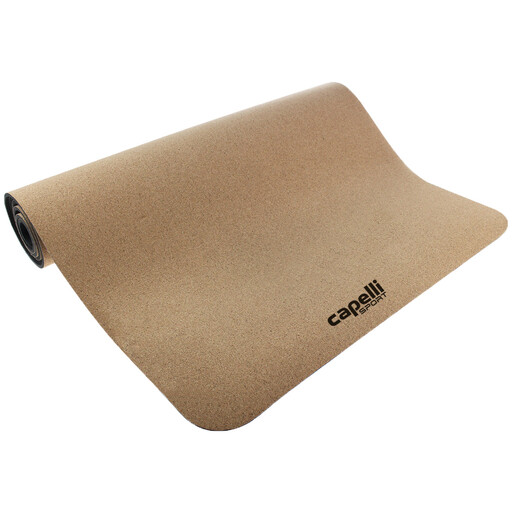
Why This Fits Their Persona: This mat is ideal for those in the UK who prioritise sustainability and practice in heated environments. The natural cork surface is eco-friendly, and its grip excels during sweaty sessions, making it perfect for hot yoga or vigorous flows.
It directly solves the "non-slip myth" by offering a surface that becomes grippier with moisture. The 5mm thickness, supported by a dense TPE base, provides cushioning without the instability of overly soft mats.
The natural cork surface is moisture-proof and odour-resistant, ensuring a cleaner practice. It offers versatile performance for both yoga and general workouts.
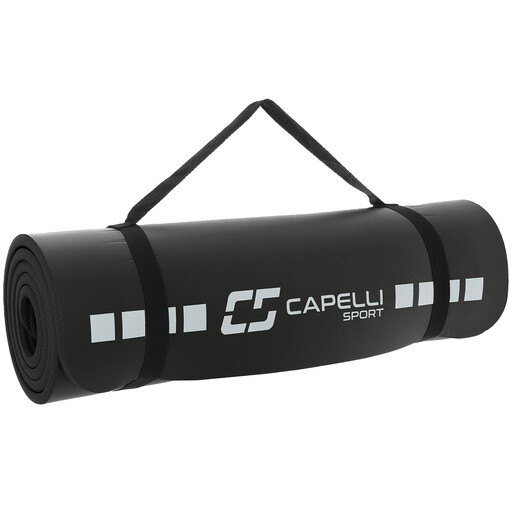
Why This Fits Their Persona: For those new to fitness or focusing on Pilates and floor exercises, joint protection is paramount. This mat's 1.2cm (12mm) NBR foam provides substantial cushioning for the spine, hips and knees, making it comfortable for prolonged floor work.
It embraces its "ultra-thick" nature for its intended purpose: maximum cushioning for floor-based workouts, not standing yoga. The resilient NBR foam is designed to return to shape, avoiding the permanent denting of cheaper materials.
Its primary benefit is the 1.2 cm extra-thick padding for superior joint support and shock absorption. It also includes a carrying strap for easy transport and storage.
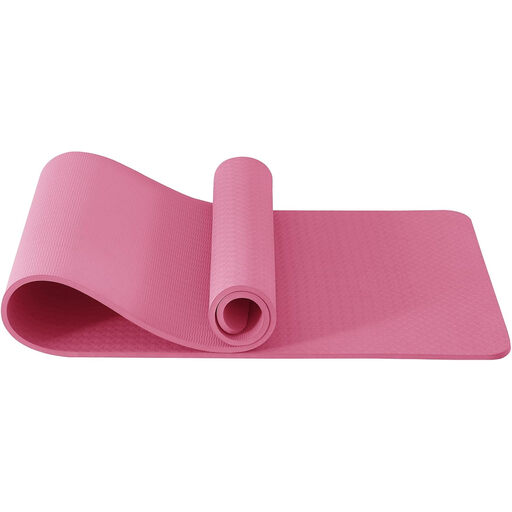
Why This Fits Their Persona: This mat is a true workhorse for the UK user who does a bit of everything—yoga, Pilates, stretching and bodyweight exercises. The 10mm thickness offers a fantastic balance between comfort and stability for a varied routine.
It avoids the stability trap by using high-density, compression-resistant TPE, which provides quick rebound. It also solves the "non-slip" issue with a functional double-sided texture for reliable grip on both sides.
The 10mm high-density TPE material is versatile and durable. Its double-sided non-slip surface ensures stability for a wide range of workouts, from yoga to gymnastics.
We have compiled a complete, real-time list of products that fully satisfy these strict selection criteria and UK safety regulations.
For those with sensitive knees, a mat between 6mm and 12mm is generally a good range. However, pay close attention to the material's density. A high-density TPE or PVC mat around 8mm can offer better support and stability than a very soft 12mm NBR mat. For floor-based exercises where balance is not the primary concern, a thicker NBR mat can provide excellent cushioning.
First, ensure you're using it on a clean, dry and flat surface. If the mat is new, especially if it's PVC, wiping it down with a damp cloth and a tiny amount of mild soap can help remove any factory residue that causes slipperiness. For materials like cork, a very light mist of water can actually increase grip. Most importantly, choose a mat with a purpose-built textured surface from the start.
The lifespan of your mat depends heavily on the material, how often you use it and how you care for it. A high-quality mat made from dense TPE, cork or rubber can last for several years with proper maintenance. In contrast, a low-density, cheaper mat may begin to show wear, such as flaking or permanent indentations, within a year of regular use. To prolong its life, always roll your mat for storage (never fold) and keep it out of direct sunlight.