
24/7 Customer Support

Free returns

Same-day & Next-day Delivery

Quality Guaranteed

Unlock Your Welcome Offers: FREE Delivery | Up to 80% OFF | Free 30-day JoyPlus trial
Download the APP
When you’re exercising on a hard floor, a good mat isn't a luxury; it's essential for comfort and joint protection. The search for a thick yoga mat often starts with the simple need for more cushioning. However, many people in the UK find their purchase falls short, leading to wasted money and a frustrating workout experience. Before you buy, it's worth knowing about a few common pitfalls.
Many mats that promise comfort are simply too soft, causing your hands and feet to sink in and compromising your balance during standing poses. Another frequent issue is the "non-slip" claim that doesn't hold up on typical laminate or wooden floors, or becomes slick with the slightest moisture. Finally, there's the problem of durability, where a mat starts to flake, tear or develop permanent indentations after only a few months of regular use.
As your Joybuy Product Recommendation Officer, my role is to help you navigate these issues. This guide will break down the key features to look for, ensuring you select a mat that provides both comfort and performance for years to come.
To avoid the common traps, focus on a few core specifications. These objective factors are far more important than marketing buzzwords and will determine the mat's true quality and suitability for your needs.
While thickness provides cushioning, density provides support. A 10mm pilates mat offers excellent padding for your spine, knees and elbows during floor-based exercises. However, if the material is low-density, it will compress too easily, feeling unstable and offering poor support.
For a mat that is both comfortable and stable, look for a high-density workout mat. This ensures that even at 10mm or more, the surface remains firm enough for you to maintain balance in yoga poses or hold a plank without your joints sinking into the foam.
The material of your mat dictates its grip, durability and feel. While many budget mats are made from PVC or NBR, a TPE fitness mat often presents a more balanced option.
A truly effective non-slip exercise mat relies on physical texture, not a temporary surface coating that wears away. Look for mats with a double-sided design. One side should feature a wavy or patterned texture designed to grip the floor and prevent the mat from sliding around. The other side should have a different, finer texture that provides a secure grip for your hands and feet, even during more dynamic movements.
Based on these practical criteria, we've matched several products to different user needs. Instead of a one-size-fits-all approach, this helps you find a mat that genuinely suits your fitness routine and lifestyle.
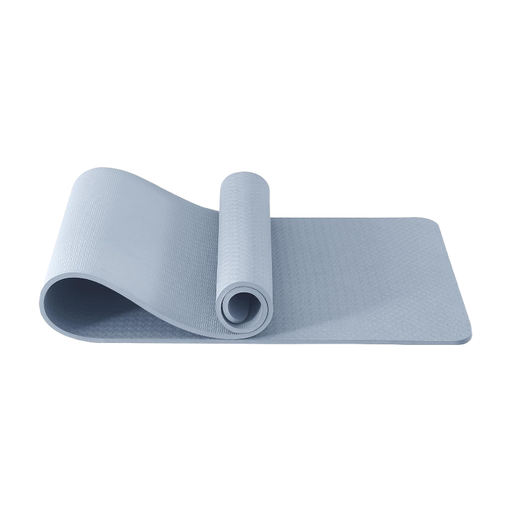
Why This Fits Their Persona: Ideal for those starting a fitness journey at home. The generous 10mm thickness provides ample cushioning on hard laminate or wooden floors, making sit-ups, planks and gentle stretches much more comfortable on the joints.
This mat uses high-density TPE, avoiding the "too soft" pitfall. It offers cushioning without compromising the stability needed for basic poses and its dual-sided texture provides reliable grip.
Superior Cushioning: The 10mm profile is excellent for protecting knees and spine.
Portable Design: Includes a yoga mat with carry strap for easy storage at home.
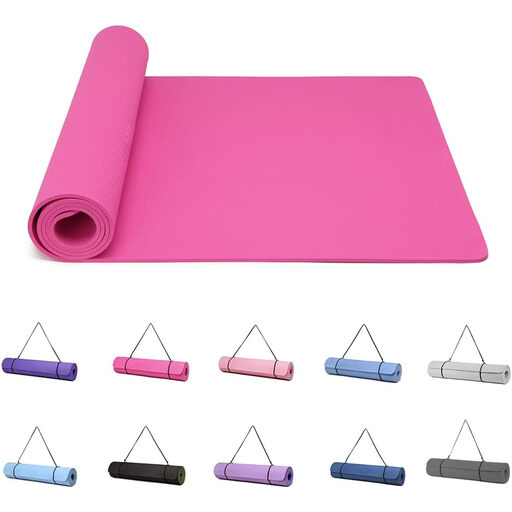
Why This Fits Their Persona: For those who travel to a studio or gym, portability is key. This 6mm mat offers a great balance between cushioning and a lighter, less bulky profile, making it easier to carry on public transport or on foot.
It avoids the durability trap of flimsy, thin mats. The high-quality TPE material resists tearing and flaking, while the dual-textured surface ensures it remains a reliable non-slip exercise mat session after session.
Balanced Profile: 6mm thickness provides joint protection while being easier to roll and carry.
Excellent Portability: Lightweight TPE construction and an included carry strap make it ideal for travel.
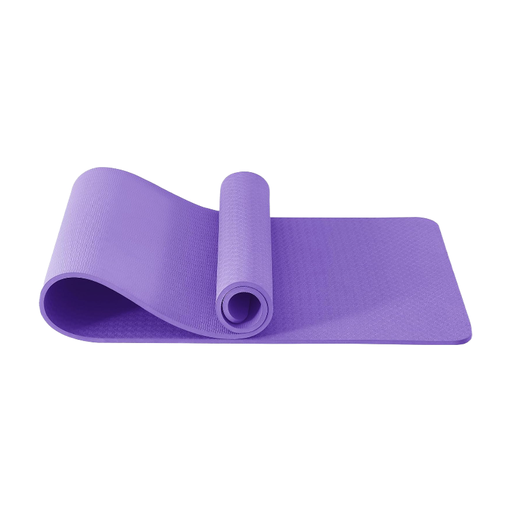
Why This Fits Their Persona: This user does a mix of yoga, Pilates and general floor workouts. They need a durable, cushioned gym mat that can handle it all. The 10mm high-density TPE provides comfort for Pilates and stability for yoga, making it a true workhorse.
Its tear-resistant TPE material and high-density structure prevent the premature wear and compression seen in lower-quality mats. The water-resistant surface also means it won't become slippery from sweat.
All-in-One Functionality: Suitable for yoga, Pilates, and general gym use.
High-Density Support: Offers quick rebound and resists compression, ensuring long-term performance.
We have compiled a complete, real-time list of products that fully satisfy these strict selection criteria and UK safety regulations.
For most TPE mats, cleaning is straightforward. Simply wipe the surface with a damp cloth and a small amount of mild soap and water. Avoid harsh chemical cleaners or abrasive sponges. It is crucial to let the mat air dry completely before rolling it up for storage to prevent moisture build-up. Never put your TPE mat in a washing machine.
The lifespan of a mat depends on the material, quality and frequency of use. A high-density TPE mat used several times a week should maintain its cushioning and grip for at least one to two years, and often longer. You'll know it's time for a replacement when you see signs of flaking, tearing or permanent indentations where your hands and feet usually go.
A 10mm mat is excellent for restorative, yin or other gentle forms of yoga where you spend a lot of time on the floor. For more dynamic or balance-intensive styles like Vinyasa or Ashtanga, some practitioners prefer a slightly thinner mat (4-6mm) for a closer connection to the ground. However, a high-density 10mm mat can still be a great all-rounder, especially for beginners who prioritise comfort.