
24/7 Customer Support

Free returns

Same-day & Next-day Delivery

Quality Guaranteed

Unlock Your Welcome Offers: FREE Delivery | Up to 80% OFF | Free 30-day JoyPlus trial
Download the APP
Fine, limp or thinning hair can look weighed down soon after washing, particularly when styling products, hard-water residue or excess oil build up at the roots. A suitable thickening shampoo can help hair feel cleaner, lighter and fuller-looking, but product labels do not always tell the complete story.
Before choosing a volumising shampoo or hair thickening shampoo, check what type of volume it is designed to create and whether the formula suits your scalp, hair texture and washing routine.
Most shampoos work on the hair surface and cleansing process. They may make individual strands feel more substantial, remove residue that flattens the roots or improve bounce after washing. This is different from increasing the number of hair follicles or treating a medical cause of hair loss.
Look for realistic descriptions such as fuller-looking hair, lightweight volume or hair that feels thicker. Be cautious with wording that implies a shampoo can permanently change hair density without clearly explaining the evidence and conditions behind the claim.
A silicone-free shampoo may leave fine hair feeling less coated, which can help some people achieve a lighter finish. However, silicone is not automatically unsuitable: it can improve slip and reduce friction for dry, curly or damaged hair.
Likewise, a stronger cleansing system may be useful for oily roots, but could feel drying on a sensitive or chemically treated scalp. Read the ingredient list rather than choosing solely from the front-label claim.
A 400ml bottle may offer more washes than a 200ml bottle, but value depends on how much you need per wash and how frequently you shampoo. A formula that leaves your hair dry may also lead to additional spending on conditioner, masks or styling products.
For everyday use, compare net volume, washing frequency and whether the shampoo needs a matching conditioner. UK cosmetic packaging should provide ingredients and relevant usage or safety information, so check the bottle before use.
If your roots become oily quickly, ingredients such as sulphate-based cleansers or olefin sulfonate may provide a more thorough wash. This can help remove sebum and styling residue that make hair appear flat. If your lengths are dry, follow with conditioner mainly from mid-lengths to ends rather than applying a heavy layer at the roots.
For a gentler-feeling routine, look for formulas using combinations such as cocamidopropyl betaine, sodium cocoyl isethionate or sodium lauroyl sarcosinate. “Gentle” is not a universal guarantee, so patch-test new products if your scalp is prone to irritation.
A shampoo for fine hair needs enough conditioning to prevent tangles without leaving the roots limp. Lightweight polymers, glycerine and proteins can improve manageability and the feel of the strands. Rich oils, heavy butters or multiple coating agents may be more appropriate for coarse or very dry hair than for naturally fine hair.
Those seeking a silicone-free shampoo should still check the full ingredient list, as a silicone-free formula may require more careful conditioning on bleached, curly or damaged lengths.
Choose according to your main concern:
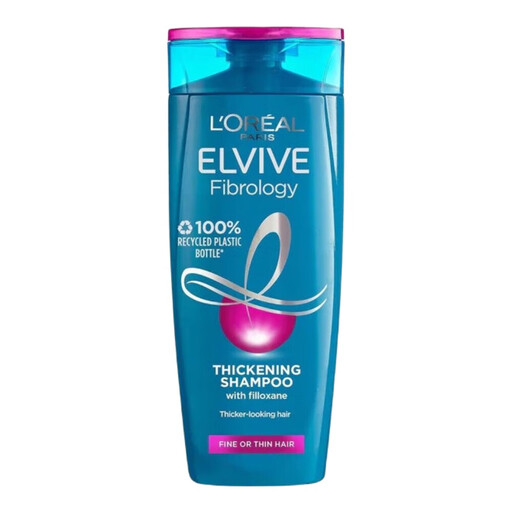
Why This Fits Their Persona: The 400ml format is practical for regular washing, while the formula is designed for fine or thin hair across straight, wavy, curly and coily textures.
Its product description focuses on thicker-feeling, fuller-looking hair rather than claiming to treat hair loss. Check the sulphate-based cleansing system if your scalp is sensitive.
400ml size; Filloxane is listed as the featured thickening technology; suitable for multiple hair textures.
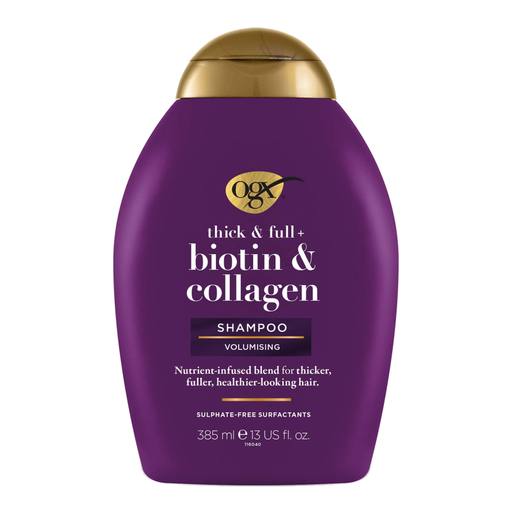
Why This Fits Their Persona: A practical option for shoppers who want a richer hair-care feel, a fragranced formula and a sulphate-free, paraben-free cleansing system.
The product clearly identifies its cleansing format and main featured ingredients, helping shoppers compare it with conventional sulphate-based options.
Contains biotin, collagen and hydrolysed wheat protein; sulphate-free surfactants and 385ml content.
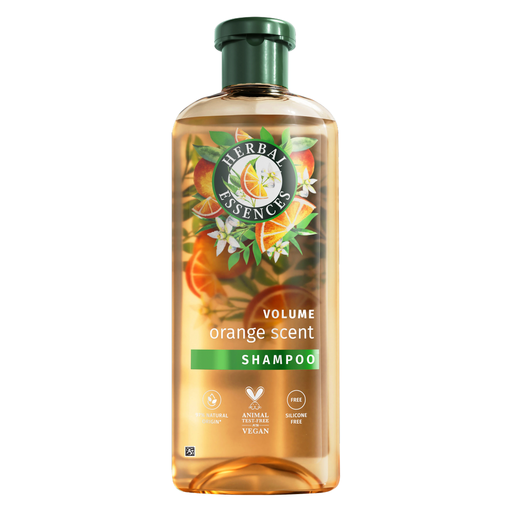
Why This Fits Their Persona: Suits shoppers looking for a silicone-free volume shampoo with a citrus fragrance and a bottle size suitable for frequent use.
The silicone-free positioning is explicit, so it is easier to compare with formulas that may leave more coating on fine hair. Fragrance-sensitive users should review the ingredients.
Silicone-free formula; 350ml size; designed for fine or flat hair and described as vegan and cruelty-free.
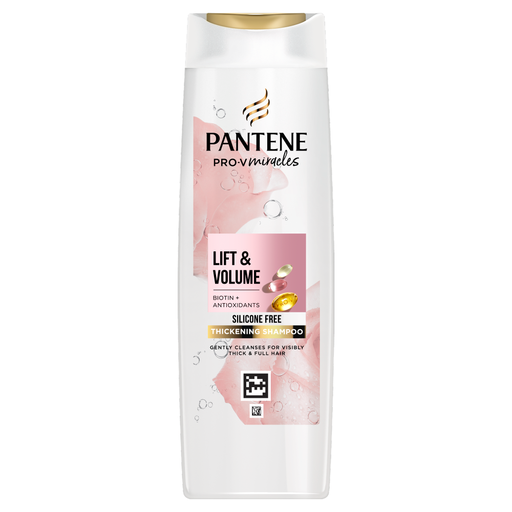
Why This Fits Their Persona: A 400ml option for shoppers who wash frequently and want a silicone-free formula with biotin and Pro-V ingredients aimed at a fuller, stronger-feeling finish.
It separates volume positioning from the need for a lightweight formula, and the product information identifies the silicone-free format rather than leaving it implied.
400ml bottle; includes biotin and Pro-V nutrients; silicone-free formula for a lightweight feel.
We have compiled a complete, real-time list of products that fully satisfy these strict selection criteria and UK safety regulations.
Usually, it creates a temporary cosmetic effect by cleansing the scalp, adding body or making strands feel more substantial. Results can vary according to hair texture, condition, styling routine and the amount of product build-up. It should not be assumed to permanently increase hair density.
It can be suitable if the formula cleanses effectively without leaving heavy residue. Those with dry, coloured or textured hair may need a balancing conditioner. If “thin hair” refers to ongoing shedding or visible scalp changes, shampoo selection alone may not address the cause.
There is no fixed lifespan because usage depends on hair length, washing frequency and the amount applied. A 350–400ml bottle may suit regular household use, while a 200–250ml bottle can be useful for occasional washing or trying a formula before committing to a larger size. Always follow the packaging guidance and stop use if irritation develops.