Detailed chart-and-table users
People who need tide-table rows, plotted curves and reference documents visible together. Screen resolution, usable workspace and comfortable scaling shape their choice.


Choose a 27-inch QHD USB-C hub monitor if desk space and connecting one laptop at a time matter most. A 31.5- or 32-inch 4K display is worth considering when tide-table columns, plots and reference documents need to remain visible together; prioritise a built-in KVM instead when two connected computers must share a keyboard and mouse. Whichever route fits the work, check screen positioning, laptop compatibility and the space available at the shared desk.
People who need tide-table rows, plotted curves and reference documents visible together. Screen resolution, usable workspace and comfortable scaling shape their choice.
People connecting different laptops at one office desk who need to reposition the screen and check that USB-C docking works with each computer.
People who regularly switch between two connected computers and want one keyboard and mouse to follow the selected source.
For plotting tide tables at a shared desk, decide whether the main constraint is room for detailed material, repositioning the screen, connecting laptops or switching between computers. Check that the monitor fits the desk and the devices that will use it.
| Concern | What to check | Who this matters to |
|---|---|---|
| Tables and chart detail | Compare screen size with native resolution, then check desk depth and the scaling setting you would use. | If I need tide-table values, plotted curves and a reference document open together, I want enough readable workspace without crowding the desk. Around 28% of consumers put this need first. |
| Position and glare | Check the stand’s adjustment range, screen finish and lighting; confirm that any clamp fits the desk. | When people of different heights use the same station, I need to reset the screen position without fighting reflections. This is the first concern for roughly 28% of consumers. |
| Laptop docking | Confirm USB-C video and data support, the charging wattage needed by each laptop and whether a network connection is required. | If I bring a laptop to the shared desk, I want to connect it without repeatedly rearranging cables. About 22% of consumers primarily need straightforward docking. |
| Two-computer switching | Look for an actual KVM function and check its source, USB and peripheral connections. | With two computers connected, I want one keyboard and mouse to control the source I am using. For around 22% of consumers, that switching workflow comes first. |
A larger panel does not, by itself, settle how many tide-table columns and plots can remain comfortably visible. Resolution and operating-system scaling also affect the usable layout.
Compare size and native resolution together, and check the scaling setting people will use before choosing a monitor for every shared desk.
The connector shape alone does not establish video, data or adequate charging support. Dell, LG and BenQ specify different USB-C power-delivery levels for the models discussed here.
Check each laptop’s video capability and charging requirement against the monitor and cable; keep an appropriate laptop charger available if needed.
For workers who use display screen equipment daily as part of normal work for continuous periods of an hour or more, the Health and Safety Executive says employers must assess the workstation. Monitor adjustment does not replace consideration of the desk, chair, lighting and work being done.
Set up the screen for each user and include the wider desk arrangement in the applicable workstation assessment. The Health and Safety Executive advises placing the top of the screen at eye level and the display about an arm’s length away.
A built-in KVM addresses sharing peripherals between computers; it does not establish that tide-table text or plots will be easier to read.
Confirm that two sources regularly need the same keyboard and mouse. If they do not, concentrate on readable workspace, screen positioning and the connections the laptop needs.
These brands illustrate different monitor features for this shared-office task; the points below apply to the named models, not every monitor each brand makes.
The Dell Pro 27 Plus QHD USB-C Hub Monitor P2725DE illustrates a 27-inch option for a shared desk where laptop docking matters.
The LG UltraFine Ergo 32UN880K-B illustrates a larger 4K route with a clamp-mounted adjustable stand.
The BenQ RD320UA illustrates a 31.5-inch 4K option combining a flexible arm with laptop connectivity and computer switching.
The Samsung ViewFinity S60UD illustrates a 32-inch QHD monitor for a desk shared by two connected computers.
These 31.5- and 32-inch 4K monitors are options to examine when tide tables, plots and reference windows need room on one screen. Their connections and screen-positioning options differ, so check each against the shared desk and its laptops.
 No image available
Consider this for tide tables and plots viewed together on a larger screen. Its name specifies an IPS 4K UHD display, USB-C and a height-adjustable stand; check whether the Nano Glossy finish suits the office lighting and whether each laptop’s video and charging needs are met.
 No image available
The 32-inch 4K format is relevant when several tide-table and chart windows need to remain open. The name also specifies Thunderbolt 3 and HDMI 2.1; check the intended laptop connection, charging arrangement and screen finish before relying on it at a shared desk.
 No image available
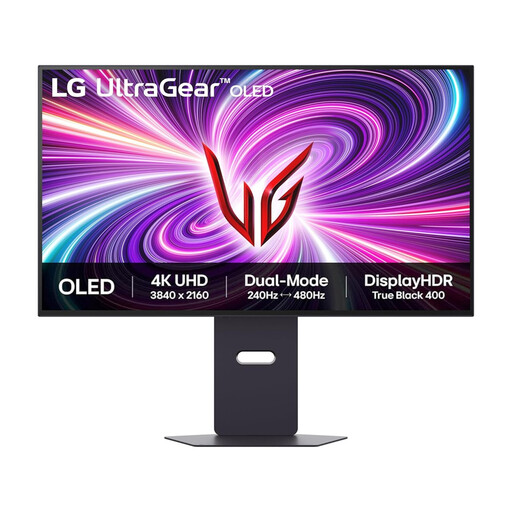
Consider its large 4K format for keeping charts and table values on screen together. The name specifies a curved OLED display and 65W Type-C connection; check whether the curve suits the users’ viewing positions, how the screen handles office reflections and whether 65W meets each laptop’s needs.
 No image available
Its 32-inch 4K format is relevant to viewing detailed tables beside plots. The name specifies DisplayPort and HDMI 2.1; check the laptops’ connection needs and the required stand or mounting arrangement. Its gaming features do not, on their own, establish better tide-table readability.
 No image available
The 31.5-inch 4K format suits a layout with tide-table values, plots and reference material side by side. Its name specifies IPS and USB-C; check USB-C video and charging compatibility, screen finish and the stand adjustments needed by different users.
Yes, when workers use display screen equipment daily as part of normal work for continuous periods of an hour or more, the Health and Safety Executive says employers must assess the workstation. The assessment concerns the working setup, not just the monitor.
Position it so the user can view the screen comfortably without avoidable glare. The Health and Safety Executive advises placing the top of the screen at eye level and the display about an arm’s length away; a shared desk needs adjustment for each user.
No. A 31.5- or 32-inch 4K screen is worth considering when tables, plots and documents must remain visible together, while a 27-inch QHD USB-C hub model may better fit a smaller desk and a one-laptop docking routine. Check viewing distance and comfortable scaling as well as resolution.
It can when the laptop, cable and monitor support the required video and charging functions. Check the laptop’s USB-C video capability and charging requirement against the exact monitor’s power-delivery rating before planning a one-cable desk.
A built-in KVM helps when two connected computers need to share one keyboard and mouse. Check how the monitor connects both sources and their peripherals; multiple video inputs alone do not establish the same switching workflow.