
24/7 Customer Support

Free returns

Same-day & Next-day Delivery

Quality Guaranteed

Unlock Your Welcome Offers: FREE Delivery | Up to 80% OFF | Free 30-day JoyPlus trial
Download the APP
Tinned beans are a practical cupboard staple for UK households, but the wrong tin can leave you with a watery sauce, an unsuitable texture or more salt and sugar than expected. Whether you need baked beans for toast, kidney beans for chilli or chickpeas for hummus, a few label checks can prevent wasted money.
The main traps are easy to miss:
Start with the recipe rather than the brand name. Kidney beans have a firm skin and hold their shape in chilli, fajitas and salads. Chickpeas offer a mild, nutty flavour for hummus, curries, grain bowls and roasted snacks. Cannellini beans have a creamy interior that suits Tuscan-style soups, pasta and salads.
Other useful varieties include:
A plain tin of beans gives you more control over seasoning. Baked beans are faster to serve but less flexible if you are trying to reduce added sugar or create a neutral base for cooking.
Check the ingredient order and the percentage of beans. For example, Cirio Baked Beans 500g lists beans at 45% and tomato sauce at 35%, while Branston Baked Beans 4 x 410g lists beans at 51%. These figures help you compare the balance between beans and sauce.
For plain tinned beans, look for a short ingredient list such as beans, water and salt. Some options may include an antioxidant or other permitted ingredient. If you have allergies, always read the current packaging: products can change, and some labels include warnings for celery, sulphites or soy.
Nutrition is generally shown per 100g, sometimes as drained values. Compare:
Rinsing plain beans under cold water can remove some of the packing liquid, excess salt and starch. This can also improve the flavour and texture of salads.
A single 400g or 415g tin is convenient for one meal or a small household. Multipacks are more suitable for families, batch cooking and regular use, but check that you have enough dry, cool cupboard space.
After opening, transfer unused beans to a non-metallic, covered container, refrigerate and follow the packaging instructions. The products listed here commonly advise using opened beans within two to three days. Do not rely only on the best-before date once a tin has been opened.
Tinned beans are convenient because they avoid soaking and lengthy cooking. Dried alternatives can be economical for large batches, but they require planning. Dried kidney beans and other pulses must be cooked thoroughly according to the packet instructions; never eat them raw or undercooked.

Why This Fits Their Persona: A four-pack provides familiar cupboard supplies for breakfasts, toast and quick student meals without buying individual tins each time.
The pack quantity and 415g tin size are clearly stated, making it easier to plan portions rather than judging value by the outer packaging alone.
Four 415g tins; beans in tomato sauce; suitable for vegetarians and vegans according to the supplied product information.
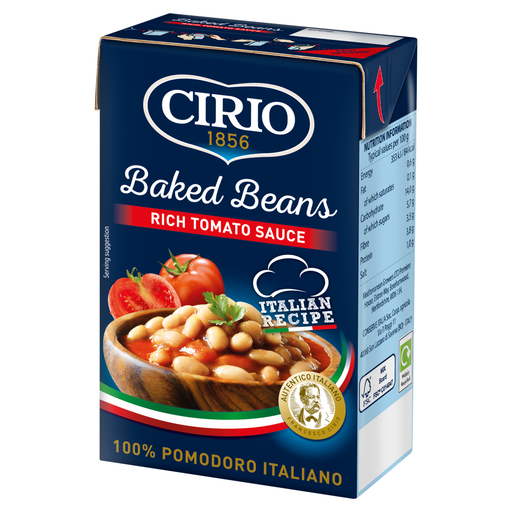
Why This Fits Their Persona: Suitable for shoppers who prefer a larger single tin with a tomato-led profile for toast, breakfasts or serving alongside dinner.
Its listed ingredients and nutrition panel make the sauce composition visible, helping buyers distinguish tomato-sauce baked beans from plain pulses.
500g net quantity; listed as high in fibre and a source of protein; 0.6g fat per 100g in the supplied nutrition information.
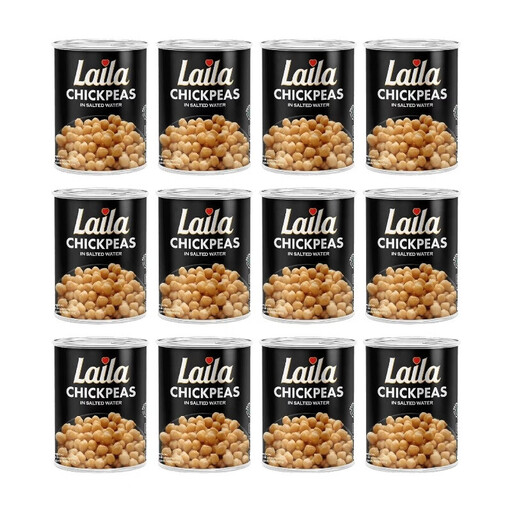
Why This Fits Their Persona: A 12-tin case suits families, meal preppers and anyone regularly making hummus, curries, salads or vegetarian batch meals.
The case format reduces repeated single-tin purchases, while the drained nutrition values clarify what you are comparing for everyday portions.
12 x 400g tins; pre-cooked chickpeas; listed as suitable for vegan, vegetarian, halal and kosher diets in the supplied description.
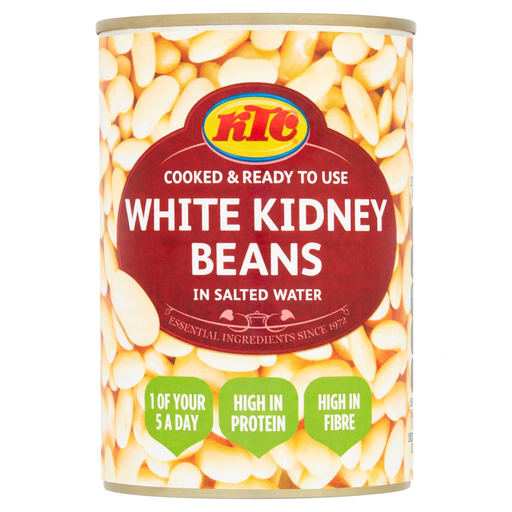
Why This Fits Their Persona: Cannellini beans work across soups, pasta, salads and Mediterranean-style dishes, making one tin useful for varied weekly cooking.
The product is identified as white kidney beans, or cannellini beans, so shoppers can match the variety to recipes instead of relying on vague descriptions.
400g tin; 8.0g fibre and 6.9g protein per 100g drained; suitable for vegetarians.
We have compiled a complete, real-time list of products that fully satisfy these strict selection criteria and UK safety regulations.
Most tinned beans are pre-cooked and can be eaten cold after draining and rinsing, for example in salads. For hot dishes, add them during cooking and heat thoroughly. Follow the product’s preparation instructions, particularly for chickpeas and kidney beans.
Storage advice varies, but many products recommend transferring leftovers to a covered, non-metallic container, refrigerating them and consuming them within two to three days. Keep the beans covered and discard them if their smell, appearance or texture has changed.