
24/7 Customer Support

Free returns

Same-day & Next-day Delivery

Quality Guaranteed

Unlock Your Welcome Offers: FREE Delivery | Up to 80% OFF | Free 30-day JoyPlus trial
Download the APP
Whether you are stocking a student kitchen, planning family meals or looking for reliable vegan pantry staples, tinned beans and pulses can make everyday cooking considerably easier. Tinned beans are ready to drain, rinse and use, while dried pulses often offer larger quantities for batch cooking.
However, attractive packaging and broad claims can make it difficult to compare products fairly. The most useful checks are usually hidden in the ingredients list, drained weight and storage instructions.
A 400g tin does not contain 400g of beans. The total weight includes water or sauce, so compare the drained weight where it is provided. This matters when working out the real cost per serving, particularly for multipacks of tinned beans.
Dried pulses also change weight during cooking. A 500g bag of red split lentils may produce substantially more food than a similar-sized tin, but it requires preparation and cooking time.
Tinned chickpeas, kidney beans, butter beans and mixed beans are generally cooked and ready to use, although they may need draining and rinsing. Dried mung beans, adzuki beans and brown lentils require cooking. Check the preparation instructions carefully and never eat dried beans raw or undercooked.
“Vegetarian”, “vegan” or “gluten-free” suitability can vary by product. Check the current packaging for allergens and cross-contact warnings. For example, products may mention celery, sulphites, cereals containing gluten or possible soya traces. Ingredients and allergen advice can change, so the label remains the reference point before purchase.
Choose ready-to-use pulses when convenience is the priority. Tinned chickpeas work well in hummus, salads and quick curries, while baked beans can be heated for toast, jacket potatoes or simple side dishes.
Choose dried pulses when you want to prepare larger batches or control the seasoning yourself. Dried pulses such as lentils, mung beans and red beans are useful for soups, dals and stews, but allow time for rinsing, soaking where required and simmering.
A short ingredients list can make a product easier to use across different recipes. For example, a tin containing beans, water and salt can be added to a chilli, soup or salad without strongly changing the flavour. Baked beans contain tomato sauce and may also include sugar, vinegar, starch, herbs and spices.
Rinsing tinned beans can remove some of the packing liquid, which may be useful if you want a cleaner flavour. Still, compare salt per 100g on the label rather than assuming that all tinned beans have the same level.
A single 400g tin is practical for one or two portions, while a multipack can suit regular family cooking. Laila Tinned Chickpeas 12x400g, for example, is designed for shoppers who use chickpeas frequently and want a larger cupboard supply.
Keep unopened tins and dried pulses in a cool, dry place. Do not use cans that are badly dented, leaking, bulging or otherwise damaged. After opening, transfer leftovers to a suitable non-metallic container, refrigerate and follow the product’s stated consumption period, commonly two to three days.
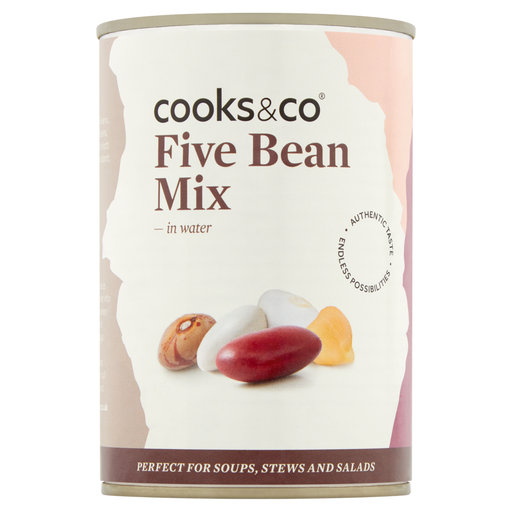
Why This Fits Their Persona: A single tin combines white beans, chickpeas, lima beans, kidney beans and borlotti beans, helping new cooks add variety to soups, salads and stews without buying five separate products.
The product lists its bean varieties and provides drained nutritional values, making it easier to judge what is in the tin rather than relying on front-label wording.
Vegetarian Society certified; 7.9g fibre and 6.9g protein per 100g drained, according to the supplied product information.
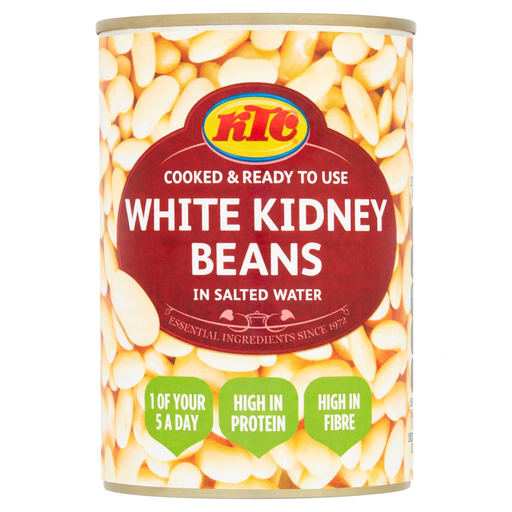
Why This Fits Their Persona: Cannellini-style white kidney beans have a creamy texture suited to Italian-inspired dishes, casseroles, salads and bean purées.
The usage instructions clearly state to drain and rinse before heating or serving cold, while the allergen section flags possible celery and sulphite contact.
8.0g fibre and 6.9g protein per 100g drained; suitable for vegetarians.
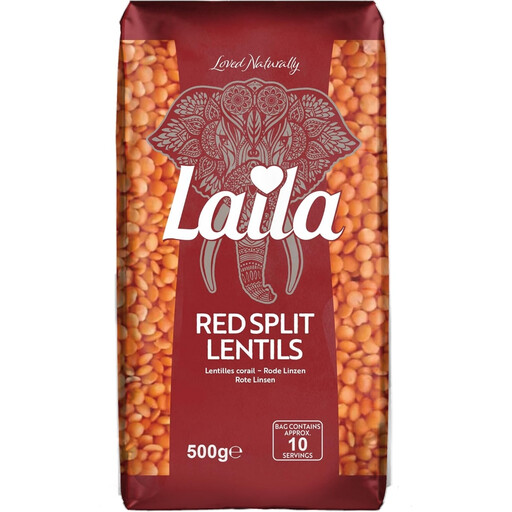
Why This Fits Their Persona: Regular cooks making dals, curries, soups or batch meals can use this 500g pack without soaking, with a stated cooking time of around 15–20 minutes.
It is a dry, single-ingredient product, so there is no packing sauce to inflate the total weight. Rinsing and cooking instructions are provided.
100% red split lentils; listed as suitable for vegetarian and vegan diets, with 26g protein per 100g dry.
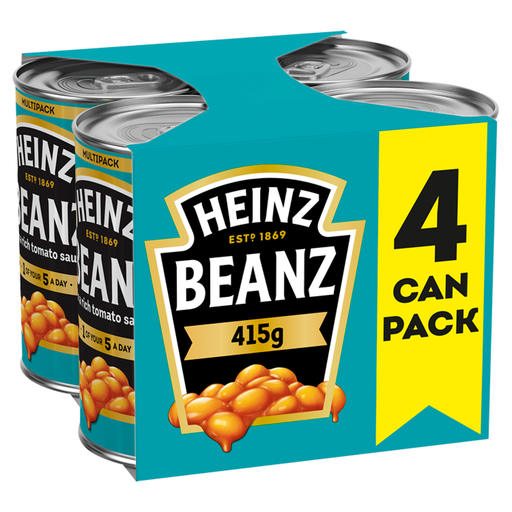
Why This Fits Their Persona: The four-tin format suits households that regularly serve baked beans with toast, potatoes or quick evening meals.
The multipack quantity and 415g tin size are clearly stated, helping families compare household usage instead of buying several small tins.
Four 415g tins; suitable for vegetarians and vegans; ready to eat after heating.
We have compiled a complete, real-time list of products that fully satisfy these strict selection criteria and UK safety regulations.
It depends on pack size, drained weight and how often you cook. Tinned beans cost more per edible portion but save soaking and simmering time. Dried pulses usually suit batch cooking and larger households, provided you have time for preparation and storage.
Rinsing is not always essential, but it can remove the packing liquid and reduce its effect on the flavour or texture of a dish. Drain and rinse chickpeas, kidney beans or mixed beans before adding them to salads, hummus or recipes where you want a cleaner finish.
Follow the individual label, as instructions vary. Many products recommend transferring leftovers to a covered, non-metallic container, refrigerating them and consuming them within two or three days. Dried lentils and beans should be kept sealed and dry after opening, then cooked according to the pack instructions.