
24/7 Customer Support

Free returns

Same-day & Next-day Delivery

Quality Guaranteed

Unlock Your Welcome Offers: FREE Delivery | Up to 80% OFF | Free 30-day JoyPlus trial
Download the APP
Tinned beans and pulses can turn a cupboard of basic ingredients into quick lunches, family dinners and plant-based meals. However, a low shelf price or prominent front-of-pack claim does not always tell you what you are buying.
The most useful comparison points are often on the back of the packaging: drained weight, ingredients, salt content, storage instructions and serving size. Whether you need tinned chickpeas for hummus, kidney beans for chilli or frozen edamame for stir-fries, checking these details can help prevent waste and disappointing results.
A 400g tin does not contain 400g of beans. Some of the weight is water or brine, so the drained weight is a more practical figure when comparing value. A multipack can also appear economical while offering a smaller drained quantity per tin.
For regular meal planning, check:
Terms such as “natural source of fibre”, “plant-based protein” or “one of your 5 a day” may be useful, but they do not replace the nutrition table. Tinned beans and vegetables can vary in fibre, protein and salt, particularly when packed in salted water.
For example, the listed drained values include 8.0g of fibre per 100g for KTC White Kidney Beans, while Morrisons Mixed Bean Salad lists 3.1g per 100g. Both can suit different meals, but the figures are not interchangeable. Always compare like for like, preferably using the per 100g drained column.
“Tinned” does not mean the product can be stored carelessly. Avoid tins that are swollen, leaking, punctured or severely dented. Store unopened tins in a cool, dry place and follow the label after opening.
Several products also include ingredients that may matter to particular households. Laila Canned Chickpeas 12x400g lists celery as an allergen, while Napolina Chick Peas in Water contains sulphites. Edamame is a soybean product, so check the allergy information before serving it.
For a simple pantry staple, look for a short ingredients list such as beans, water and salt. Some products include an antioxidant or preservative, while others, such as Mr Organic Organic Borlotti Beans, list organic borlotti beans and water.
“Ready to use” usually means the pulses have already been cooked and only need draining, rinsing and optional reheating. Tinned lentils can be stirred into soups and casseroles, while tinned chickpeas work in salads, curries, dips and roasted snacks. Check the instructions because some products are intended to be heated thoroughly for hot dishes.
When choosing vegan protein or high-fibre foods, compare:
Nutrition values may differ between similar products. Cooks & Co Red Kidney Beans lists 7.6g protein and 6.0g fibre per 100g, while Cooks & Co Brown Lentils lists 6.3g protein and 4.1g fibre per 100g. Use the figures on the current pack as the final reference, as formulations and labelling can change.
Ambient tinned vegetables and ready-to-use pulses are convenient for cupboards with limited freezer space. Frozen options need consistent storage at -18°C or below and should not be refrozen after thawing.
Frozen edamame and peas can offer a different texture from tinned products. Honor Edamame with Skin 500g is cooked from frozen for five to eight minutes, while Birds Eye Garden Peas 800g is prepared directly from the freezer according to the pack instructions. Choose ambient products for cupboard convenience and frozen products when you want larger freezer portions or a firmer, fresher-tasting vegetable accompaniment.
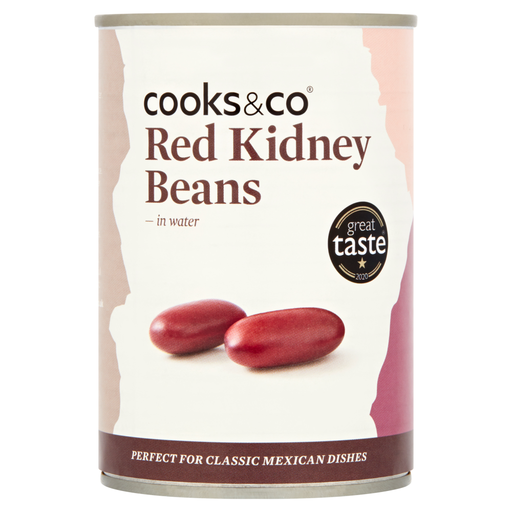
Why This Fits Their Persona: A straightforward cupboard staple for first-time buyers, students and households preparing chilli, fajitas, stews or Indian-inspired dishes.
The ingredients are red kidney beans and water, with no complicated preparation required. The 400g format also makes it easier to trial before buying in bulk.
Suitable for vegans and vegetarians; lists 7.6g protein and 6.0g fibre per 100g.

Why This Fits Their Persona: A suitable choice for cooks who prioritise organic ingredients and a creamy bean texture for soups, stews and Italian-style recipes.
The stated ingredients are organic borlotti beans and water, helping shoppers avoid unnecessary added sugar or salt where a simpler recipe is preferred.
Organic product; lists 7.0g fibre and 5.0g protein per 100g.
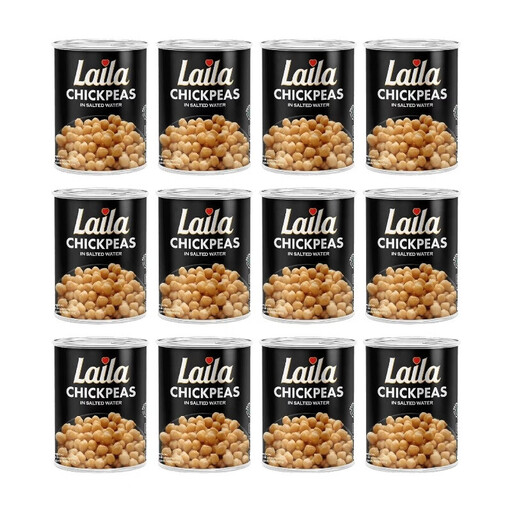
Why This Fits Their Persona: The multipack suits busy families, meal-preppers, caterers and households that regularly use chickpeas in curries, hummus, salads and stews.
The 12-pack makes the quantity clear, while each tin is ready to use without soaking dried chickpeas overnight.
Suitable for vegans and vegetarians; provides 6.9g fibre and 5.8g protein per 100g drained.
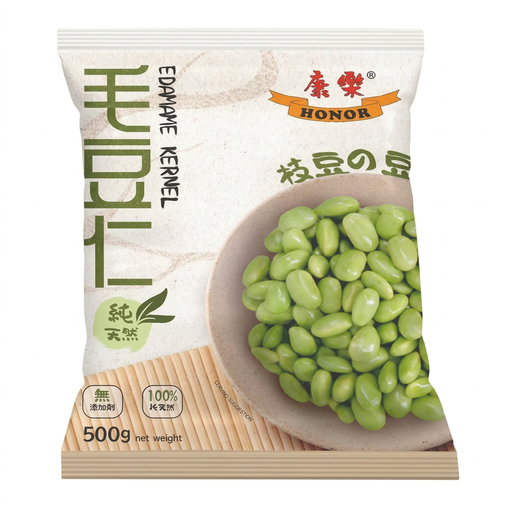
Why This Fits Their Persona: Shelled frozen edamame is practical for stir-fries, rice bowls, soups and quick side dishes when cupboard pulses are not the preferred texture.
The product contains edamame only, and its frozen format avoids brine-based comparisons. It must, however, remain frozen and should not be refrozen after thawing.
Shelled format reduces preparation; suitable for salads, stir-fries and rice dishes.
We have compiled a complete, real-time list of products that fully satisfy these strict selection criteria and UK safety regulations.
Many tinned beans, chickpeas and lentils are already cooked and can be drained and used in cold dishes. For hot meals, follow the product’s preparation instructions and heat thoroughly.
They can reduce preparation time because there is no soaking or extended boiling. Dried pulses may offer a lower cost per edible portion in some cases, but the fairest comparison is the drained weight, price per serving and your available cooking time.
The exact guidance varies. Many listed products advise refrigerating opened contents and consuming them within two or three days. Check the individual label, rather than relying on a general storage assumption.