
24/7 Customer Support

Free returns

Same-day & Next-day Delivery

Quality Guaranteed

Unlock Your Welcome Offers: FREE Delivery | Up to 80% OFF | Free 30-day JoyPlus trial
Download the APP
Tinned chickpeas are a practical choice for quick lunches, family dinners and plant-based meal preparation. They can go straight into a salad, soup, stew, chickpea curry or hummus with little preparation. However, not every product offers the same texture, drained weight, salt level or value.
Before adding a tin or multipack to your basket, watch out for three common buying pitfalls:
Chickpeas in water are usually the most convenient option for everyday cooking. Drain and rinse them before adding them to cold dishes, or heat them in a curry, soup or stew. Some products are ready to eat straight from the tin or jar.
Tinned chickpeas multipacks can be useful for households that cook regularly. A larger pack may reduce the cost per tin, but only choose this format if you can use the tins before storage becomes inconvenient. Unopened tins should be kept in a cool, dry place, and opened contents should be transferred to a non-metallic container and refrigerated.
Dried chickpeas are a different proposition. They can offer flexibility over seasoning and texture, but they need soaking and thorough cooking. Chana dal, also called split chickpeas, is made from split pulses and is commonly used in dal, soups, curries and some savoury or sweet dishes. It should not be treated as a ready-to-eat substitute for tinned chickpeas.
A 400g tin may provide approximately two portions, depending on the product and serving size. For a fair comparison, check:
For example, Morrisons Chickpeas In Water 400g lists 4.1g fibre and 7.4g protein per 100g drained. Laila Canned Chickpeas lists 6.9g fibre and 5.8g protein per 100g drained. These figures demonstrate why comparing labels is more useful than relying on broad packaging phrases such as “nutritious” or “natural”.
Chickpeas can contribute to a balanced diet as a high-fibre food and source of vegan protein, but individual nutritional requirements vary. Use the product label as the reference point.
For hummus or a smooth chickpea dip, a creamy texture can make blending easier. For salads, pasta and roasted chickpea dishes, a firmer bite may be preferable.
Products packed in water generally have a mild flavour and can be seasoned to suit the recipe. Organic chickpeas may appeal to shoppers who specifically want certified organic ingredients, but check the organic certification information and compare the drained weight and price.
For Indian cooking, tinned chickpeas can be combined with a spice blend for chana masala or a quick chickpea curry. Dried chana dal is more suitable when you want the split pulse to break down into a traditional dal-style dish.
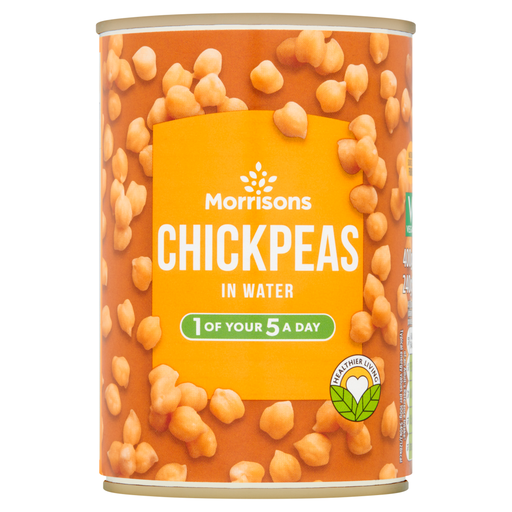
Why This Fits Their Persona: A straightforward everyday tin for shoppers building a vegetarian pantry or trying chickpeas in salads, soups and homemade hummus.
The listing clearly identifies a 400g tin, approximately two portions, and gives nutrition values per 100g drained.
Packed in water; ingredients list chickpeas, water and ascorbic acid. Suitable for vegans and vegetarians.
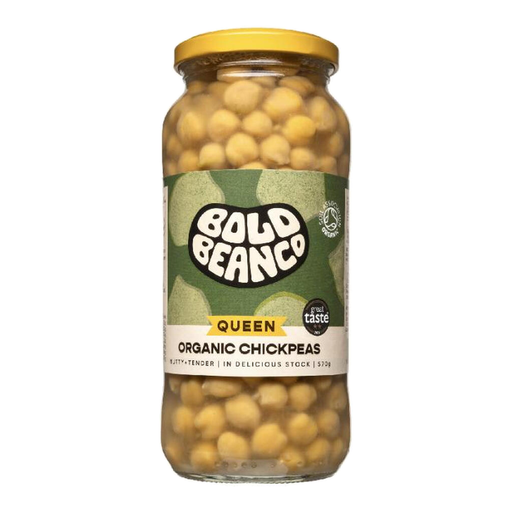
Why This Fits Their Persona: Suits shoppers looking for organic chickpeas in a jar, with a larger drained quantity for salads, dips and plant-based meals.
The jar states a 570g net quantity and 400g drained weight, helping shoppers assess usable product accurately.
Ready to eat hot or cold, with bean stock that can be used in hummus or stews.
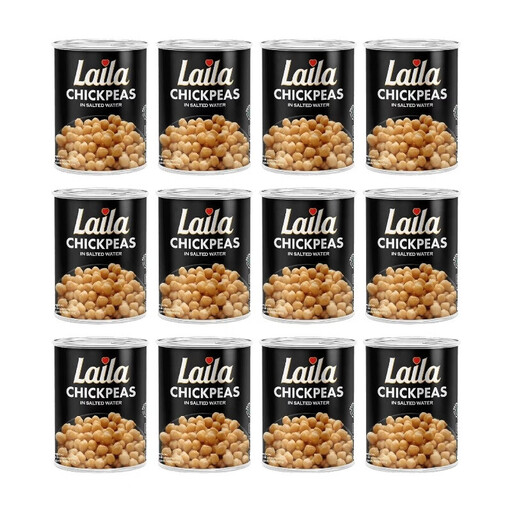
Why This Fits Their Persona: A practical tinned chickpeas multipack for large households, meal-preppers and regular curry or hummus makers.
The 12-pack makes the quantity clear, while per-100g drained nutrition information supports price and portion comparisons.
Ready to use without soaking; suitable for vegan and vegetarian diets. Store unopened tins in a cool, dry place.
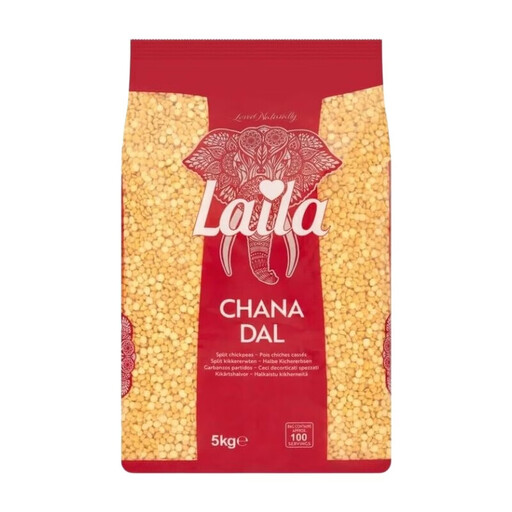
Why This Fits Their Persona: Designed for frequent cooks who prepare dal, curries, soups or rice dishes and want a substantial dry-pantry supply.
It is clearly identified as split chickpeas, so buyers do not mistake a dry cooking ingredient for ready-to-eat tinned chickpeas.
5kg pack; nutrition lists 11g fibre and 23g protein per 100g. Do not eat raw and check the allergy statement.
We have compiled a complete, real-time list of products that fully satisfy these strict selection criteria and UK safety regulations.
Keep a few tins available for quick meals such as:
Always follow the storage instructions on the packaging. Once opened, refrigerate unused chickpeas in a suitable container and consume within the stated timeframe.
Most tinned chickpeas are cooked and ready to eat after draining and rinsing. Check the product label, as preparation instructions can vary. Dried chickpeas and chana dal are not ready to eat and must be cooked thoroughly.
Rinsing can remove some of the packing liquid and surface salt, which may produce a cleaner taste in salads, hummus and curries. If you are using aquafaba in a recipe, such as a whipped topping or to adjust hummus texture, you may wish to retain the liquid where the product information permits.
The products listed provide different guidance, commonly around two to three days. Transfer the chickpeas to a non-metallic, airtight container, refrigerate promptly and follow the specific instructions printed on the packaging.