What to check when choosing
Start with the texture of the complete serving, then choose a format and pack size that fit how you will prepare and use the custard.
| Concern |
What to check |
Who this matters to |
| Serving texture |
Check any advised texture level and consider toppings or mixed textures as part of the serving. |
If I am serving someone on an easy-chew plan, I need the whole dish—not just the custard—to fit their advice. About 36% of consumers put texture fit first. |
| Convenience and leftovers |
Compare pack sizes and the exact refrigeration and use instructions after opening. |
When I need dessert with no mixing, I also want a pack I can finish within its opened-life instructions. For about 29% of consumers, that practical fit is the main concern. |
| Nutrition and allergens |
Compare fat and sugars per 100 g, and read the current ingredients and allergen declaration. |
If I am choosing around a dietary requirement, the label matters more to me than the format. About 21% of consumers make nutrition or allergen comparison their primary need. |
| Preparation flexibility |
For powder, check the preparation instructions and how the made-up custard must be stored. |
I can make a batch in advance and would like to adjust its consistency or sweetness. That flexibility comes first for about 14% of consumers. |
Joybuy custard selections
These selections cover ready-to-serve cupboard custards in several pack sizes and a powder to prepare when you have time. Check the complete serving against any individual texture advice; a product’s smooth appearance does not establish suitability for a prescribed swallowing plan.
 No image available
Ambrosia Devon Custard 400g
Choose this ready-to-serve can when you want custard without making a batch. Ambrosia says it can be served hot or cold; after opening, remove any remainder from the can, refrigerate it and use it within three days. Check the current pack for allergens.
View on Joybuy
 No image available
Ambrosia Low Fat Custard 400g
This ready-to-serve 400 g variant is worth comparing if fat content is one of your label priorities. Check its current per-100 g nutrition and allergen declaration alongside other custards; the “Low Fat” name does not answer questions about sugars or texture suitability.
View on Joybuy
 No image available
Ambrosia Light Devon Custard 1kg
Consider this 1 kg ambient pack when you expect to serve custard more than once. Before choosing the larger size, check its current nutrition and allergen label and make sure your planned portions fit its instructions for storage after opening.
View on Joybuy
 No image available
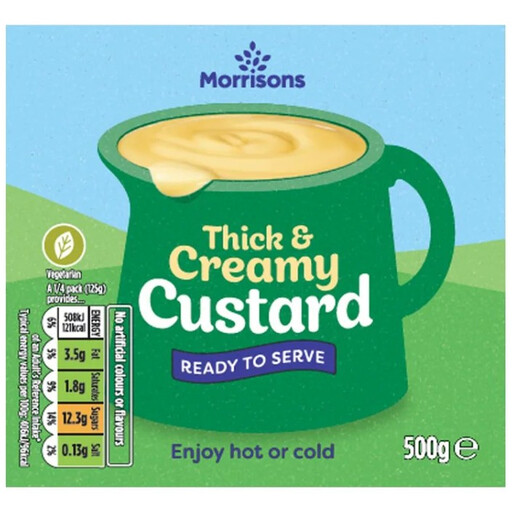
Morrisons Ready To Serve Custard 500g
This 500 g ready-to-serve option suits a no-mixing serving. Compare its pack size with the portions you need, and read the current label for allergens and instructions on keeping any remainder.
View on Joybuy
 No image available
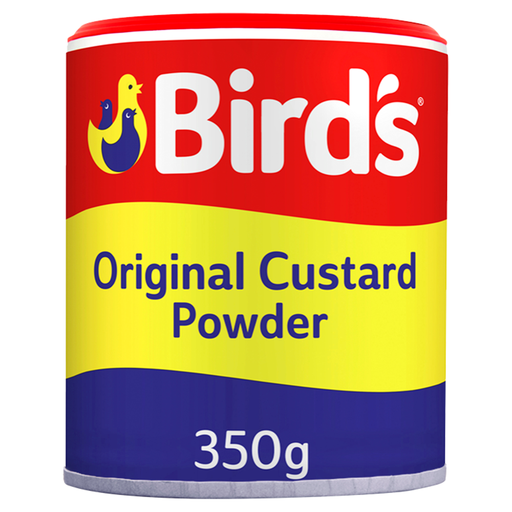
Bird’s Custard Powder 350g
Choose powder if you can prepare a batch and want to vary the milk quantity or added sugar using Bird’s instructions. It is not ready to serve: plan for mixing and heating, treat made-up custard as fresh food, and check the current pack’s may-contain-milk warning.
View on Joybuy
Common questions
Is tinned custard suitable for an easy-chew meal?
It can be a smooth component, but the whole serving must suit the eater’s needs. The Hillingdon Hospitals NHS Foundation Trust describes easy-to-chew food for people able to manage soft, tender foods safely. If the person has a diagnosed swallowing difficulty or a prescribed texture level, follow their Speech and Language Therapist’s or dietitian’s advice rather than judging suitability from the custard alone.
Can ready-to-serve custard be served cold?
Yes, Ambrosia says its Devon Custard 400 g can can be served hot or cold. Check the instructions on the particular product you buy; if heating custard from a can, transfer it to a suitable container first.
How long can I keep custard after opening it?
Follow the exact pack: Ambrosia instructs users to refrigerate its Devon Custard 400 g after opening and use it within three days, while M&S specifies two days for Silky Smooth Custard. Plan the pack size around the portions you expect to use in that period.
Is custard suitable for someone avoiding milk?
Do not assume that it is. The Asda ready-to-serve custard reviewed lists milk as an allergen, and Bird’s says its Original Custard Powder may contain milk. Read the current pack’s ingredients and allergen declaration for the exact product you intend to serve.


