Students stocking a first cupboard
A 400g ready-to-serve tin offers a dessert option to keep unopened in the cupboard. Consider whether you will use the rest of the tin soon after the first serving.


A ready-to-serve custard tin can work as a student cupboard staple if you can refrigerate and use what remains after opening. Choose the format before comparing labels: a standard tin is ready to serve hot or cold, a lighter-labelled variant needs a check of its exact nutrition panel, and custard powder requires preparation.
A 400g ready-to-serve tin offers a dessert option to keep unopened in the cupboard. Consider whether you will use the rest of the tin soon after the first serving.
Unopened cupboard storage helps when fridge space is scarce, but the Ambrosia and Tesco 400g tins described here require refrigeration and use within three days after opening.
The cited Ambrosia standard, Ambrosia Light and Tesco ready-to-serve custards contain milk ingredients. Anyone who needs to avoid milk should check the current label of the particular product.
For a student cupboard, decide whether you want custard ready to serve or are willing to prepare it, then check how the chosen pack fits your storage and label requirements.
| Concern | What to check | Who this matters to |
|---|---|---|
| Leftovers and fridge space | Check the opened-life instruction and whether you have a covered container and fridge space. The cited Ambrosia and Tesco 400g tins specify use within three days of opening. | If I only want a little custard at a time, I need a plan for the rest of the tin before I open it. About 50% of consumers put managing leftovers first. |
| Ingredients and nutrition | Read the current milk-allergen statement and compare nutrition per 100g. Do not assume that a low-fat label also establishes a sugar comparison. | When milk ingredients or a particular nutrition value affect my choice, the exact pack label matters more than the format name. For about 30% of consumers, label fit is the primary need. |
| Preparation and serving | Confirm whether the product is ready to serve or a powder. For a ready-to-serve tin, follow its instructions if heating it. | If I want custard without making it from powder, I need to know it can be served as it comes. That ease of serving comes first for about 20% of consumers. |
The cited Ambrosia and Tesco 400g tins require refrigeration after opening and say to consume the remaining custard within three days.
Before opening a tin, plan another serving or someone to share it with, and make room for the leftovers in the fridge.
Custard left unused beyond the pack's opened-life instruction may have to be discarded.
Tesco lists Bird's Original Custard Powder separately from tinned custard. A powder is a preparation-based format, not a direct substitute when you want to serve custard immediately.
Choose the format first, then check the powder pack's preparation directions against the equipment available in your kitchen.
Ambrosia says its Light Devon Custard has 30% less sugar and fat than Ambrosia Devon Custard, but it still contains milk. That comparison does not establish the nutrition of every low-fat custard.
Check the current ingredients, allergen statement and per-100g nutrition on the exact tin you are considering.
Ambrosia lists standard and Light Devon Custard in 400g ready-to-serve tins that can be served hot or cold.
Tesco Ready To Serve Custard is a 400g own-label tinned option that can be served hot or cold.
Tesco lists Bird's Original Custard Powder in its broader custard range, separately from tinned custard.
These selections include two 400g Ambrosia ready-to-serve custards and a 400g custard powder for students willing to prepare it. Check each product's format before choosing.
 No image available
A ready-to-serve tin for a cupboard where you can plan to use the leftovers soon after opening. It can be served hot or cold; store it in a cool, dry place unopened, then refrigerate remaining custard and consume it within three days. It contains milk and lists 10.6g sugars per 100g.
 No image available
A 400g ready-to-serve tin to consider if its low-fat-labelled format matches what you are looking for. The product description states less than 3% fat and says it can be served hot or cold. It contains milk; refrigerate leftovers and consume them within three days. Check the current nutrition panel if sugar content matters, rather than assuming a comparison from the name.
 No image available
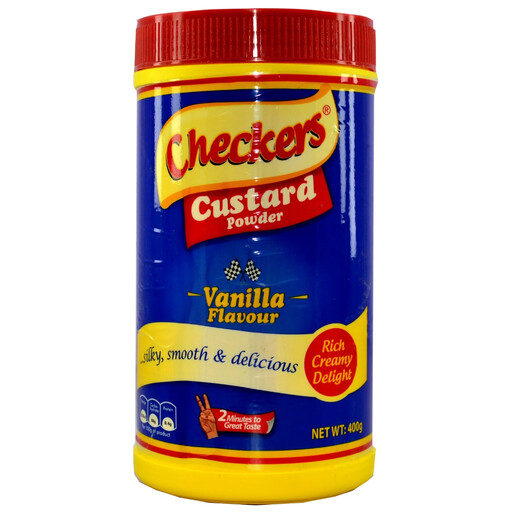
A custard powder alternative if preparing custard suits your kitchen setup; it is not a ready-to-serve tin. Store the powder in a cool, dry place. It contains milk, and the prepared custard is to be refrigerated and consumed within 24 hours. Check the pack's preparation directions and yield before buying if equipment or portion planning matters.
Yes, the cited ready-to-serve tins specify cool, dry storage before opening. Follow the storage wording and date marking on the particular pack.
The cited Ambrosia standard, Ambrosia Light and Tesco 400g tins instruct you to refrigerate leftovers and consume them within three days. Tesco also says to transfer unused custard to a covered, non-metallic container.
GOV.UK explains that a best-before date concerns quality, whereas a use-by date concerns safety. Read the date marking on your tin and follow its storage instructions; do not apply its unopened date to custard left after opening.
The cited Ambrosia standard, Ambrosia Light and Tesco ready-to-serve custards all contain milk ingredients. Check the current label of any product you are considering if you need to avoid milk.
No. The cited Ambrosia and Tesco ready-to-serve custards can be served hot or cold. If you heat one, transfer it to a suitable container and follow that pack's appliance instructions.