Quick-meal pantry stockers
If you want pasta you can heat without boiling a separate portion, consider tinned spaghetti or hoops. Choose between full-size tins and smaller portions according to what you normally serve.


Choose a multipack of tinned pasta if you want several ready-to-heat meals and will use a full-size tin regularly. Smaller tins can make more sense when a 400g tin would leave unwanted food; dried pasta with a separately chosen sauce offers more choice of shape and sauce, but requires cooking. Whichever format you choose, check the exact label for allergens, salt and storage instructions.
If you want pasta you can heat without boiling a separate portion, consider tinned spaghetti or hoops. Choose between full-size tins and smaller portions according to what you normally serve.
Look at the amount in each pack and whether you can use an opened tin within its stated storage period. Dried pasta is another pantry option if you are willing to cook it and provide a sauce.
Compare the exact tin, pasta pack or sauce jar you intend to buy. Ingredients, allergens, salt and instructions after opening can differ between these formats and between variants.
Decide whether the pantry meal needs to be ready to heat or whether cooking pasta is practical. Then choose a pack size you will use and check the label for the particular product.
| Concern | What to check | Who this matters to |
|---|---|---|
| Preparation and convenience | Check whether the pack contains ready-to-heat tins or dried pasta that needs cooking, and whether its portions fit your meals. | If I need a quick pantry meal, I want to heat pasta without boiling it first. About 42% of consumers put ready-to-heat convenience first. |
| Portions and waste | Compare the number and size of tins or packs; check how the product must be stored after opening. | When stocking up for repeat meals, I need portions my household will finish rather than leaving part of a tin unused. Avoiding waste is the primary concern for about 33% of consumers. |
| Ingredients and labels | Read salt values per 100g and for your intended portion, plus the ingredients and highlighted allergens on the exact variant. | If an ingredient or dietary requirement affects my choice, I need to check the particular pasta and sauce, not rely on the brand name. About 25% of consumers put label and dietary fit first. |
Tinned pasta, dried pasta and jars of sauce involve different preparation. A sauce multipack alone will not provide the same meal as tinned spaghetti.
Choose the format before comparing packs: ready-to-heat tins for minimal preparation, or dried pasta and a separate sauce when you plan to cook.
A 400g tin may provide more than you intend to serve at once. Sainsbury’s describes its 400g tinned spaghetti as two servings and instructs buyers to refrigerate transferred leftovers and use them within two days.
Choose a tin size that fits your usual meal, and follow the storage instructions on the exact product if any remains.
Food may go unused if you cannot finish the opened tin within its stated period.
Four smaller portions and four 400g tins contain different amounts of pasta. Dried pasta and tinned pasta also differ in the work needed to serve them.
Compare total weight, the size of each unit and the amount you expect to eat. For nutrition comparisons, check values per 100g as well as per serving.
A vegetarian or vegan label does not replace the allergen information for the exact recipe. Marks & Spencer’s Tomato and Basil Pasta Sauce is labelled vegan and vegetarian but states that it is unsuitable for people with milk or egg allergy.
Read the current pack’s ingredients and allergen information for each variant you buy.
Tesco’s grocery range provides examples of both tinned spaghetti or hoops and dried pasta, useful when deciding between a ready-to-heat meal and ingredients to cook.
Sainsbury’s own-label products offer a 400g tinned-spaghetti example and separate jars of pasta sauce.
Dolmio is relevant to the dried-pasta-and-sauce route rather than to a ready-to-heat tin of pasta.
Barilla’s listed linguine is a dried-pasta option for households willing to cook rather than heat a complete tinned pasta product.
M&S provides jarred-sauce choices to consider alongside dried pasta, not as substitutes for ready-to-heat tinned pasta.
These selections include full-size tinned-pasta multipacks for ready-to-heat meals and multipacks of dried pasta for meals you will cook. The dried-pasta packs need a separately chosen sauce if you want to serve them with one.
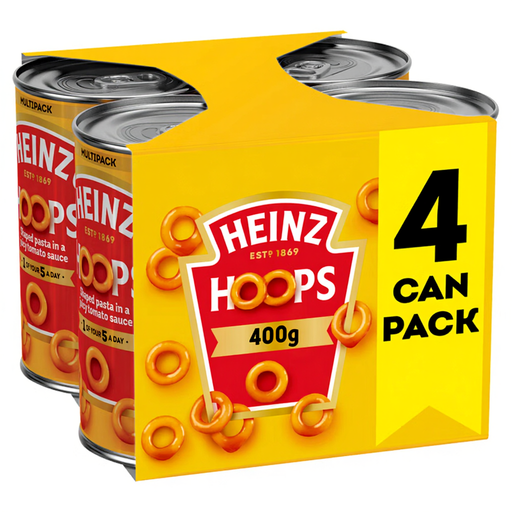 No image available
For several ready-to-heat pasta meals when hoops suit your household. The multipack contains four 400g tins; check the pack’s allergen and opened-tin instructions if either affects your choice.
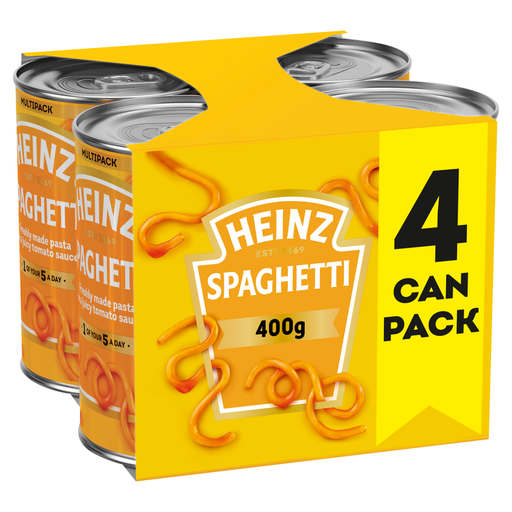 No image available
For ready-to-heat spaghetti rather than hoops. This pack contains four 400g tins; consider whether you will finish an opened tin and check the current label for wheat and storage instructions.
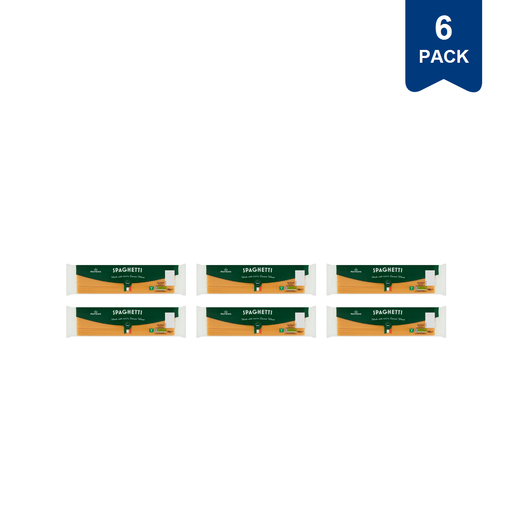 No image available
For repeat pasta meals when you are happy to boil the pasta and choose a sauce separately. This is dried spaghetti in six 500g packs, not a ready-to-heat tinned meal.
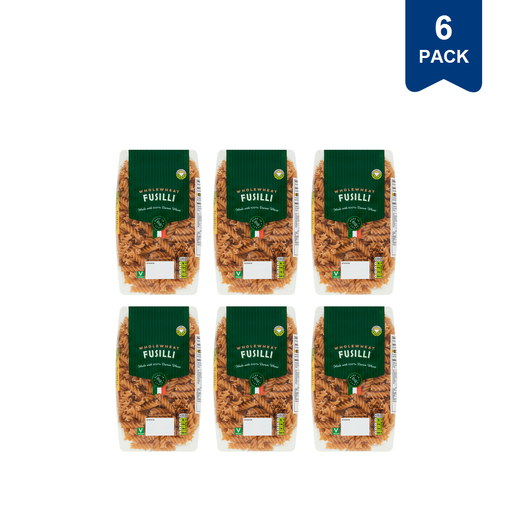 No image available
For cooked pasta meals when you want wholewheat fusilli as your pantry shape. The six 500g packs contain dried pasta; it needs cooking and a separately chosen sauce for a sauced meal.
 No image available
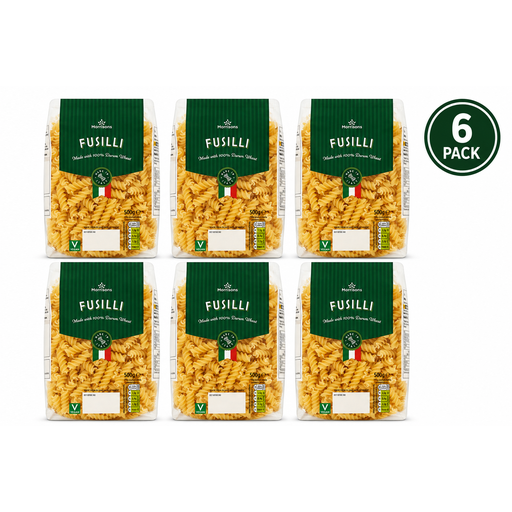
For households stocking dried fusilli for meals they will cook. This multipack has six 500g packs; unlike tinned pasta, it must be boiled and does not include a ready-to-heat sauce.
Stock tinned pasta if you need meals you can heat without first boiling pasta. Choose dried pasta and a separate sauce if you want to decide the shape and sauce when you cook; it involves more preparation, so the two formats meet different pantry needs.
Compare the nutrition panels per 100g, then check the amount in the portion you expect to eat. The NHS describes 0.3g of salt or less per 100g as low and more than 1.5g per 100g as high; a stated serving size may differ from yours.
Follow the instructions on that tin. Sainsbury’s says to transfer leftovers from its 400g tinned spaghetti to a non-metallic container, refrigerate them and use them within two days. Do not apply that period to a different product without checking its label.
No; check the exact sauce’s allergen information as well as its dietary label. Marks & Spencer’s Tomato and Basil Pasta Sauce is labelled vegan and vegetarian but states that it is unsuitable for people with milk or egg allergy. UK government guidance says declared allergens must be emphasised in applicable ingredients lists.