
24/7 Customer Support

Free returns

Same-day & Next-day Delivery

Quality Guaranteed

Unlock Your Welcome Offers: FREE Delivery | Up to 80% OFF | Free 30-day JoyPlus trial
Download the APP
As a Joybuy Product Recommendation Officer, I see how a well-stocked pantry can transform weeknight meals. Tinned and dried pulses are the unsung heroes of the British kitchen, offering affordable, nutritious and versatile options. Yet, not all pulses are created equal. Choosing incorrectly can lead to disappointing meals and wasted money. Before you fill your basket, let's look at the common pitfalls to avoid.
The most frequent complaints often stem from a few key issues:
Navigating the world of tinned & dried pulses is simple once you know what to look for.
To ensure you get the quality and value you expect, focus on these core parameters when making your selection.
The first decision is often between the convenience of tinned or the economy of dried. There is no single right answer; it depends on your lifestyle and cooking habits.
vegetarian pantry staples for busy households. The trade-off is a higher cost per serving and less control over the final texture and salt content.bulk buy pulses. Cooking from scratch gives you complete control over the seasoning and final texture. Dried chickpeas, for example, often produce a creamier hummus. The downside is the need for planning, as most require soaking and a longer cooking time.The ingredients list is your most powerful tool. For tinned goods, the shorter the list, the better. Look for products containing just the pulse, water and perhaps an antioxidant like ascorbic acid. Pay close attention to the nutritional information, specifically the salt content per 100g. A "low salt" product in the UK should have 0.3g of salt or less per 100g.
For dried pulses like chana dal or mung beans, the product is simpler. However, check the packaging for any allergen warnings, as cross-contamination can occur in facilities that also handle gluten or nuts.
Not all chickpeas are the same, and using the right pulse can make a significant difference to your dish.
To help you choose, we've matched some reliable options to different cooking styles and needs.
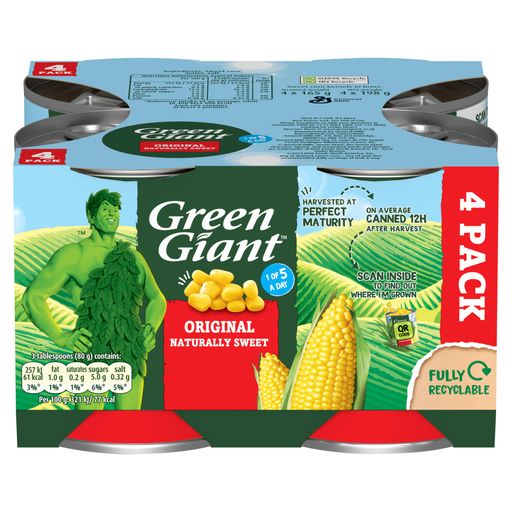
Why This Fits Their Persona: This multi-pack of tinned sweetcorn is the definition of convenience. It's a trusted brand known for consistent quality, perfect for quickly adding a vegetable to pasta bakes, salads or serving as a simple side for a family dinner.
It sidesteps the "mushy can" trap with reliably crisp kernels. While it contains salt, the amount is clearly stated (0.40g per 100g), allowing for an informed choice. A salt-free version is also available for those managing sodium intake.
Consistent sweetness and texture. The four-pack format offers good value and ensures you always have a quick meal component on hand.
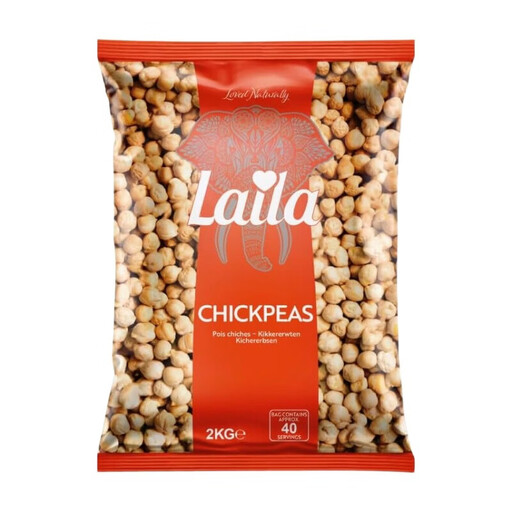
Why This Fits Their Persona: For those who cook from scratch and value authenticity, this 2kg bag of dried chickpeas is a kitchen workhorse. It's ideal for making large batches of hummus, chana masala or falafel, providing superior texture and flavour.
This completely avoids the "hidden salt" and "mushy can" pitfalls. By cooking from dry, you control everything. Good quality pulses like these cook evenly, preventing the "forever-soak" issue common with old, poor-quality stock.
Excellent cost-effectiveness for regular use. Provides the authentic texture and deep, nutty flavour essential for many Middle Eastern and South Asian dishes.
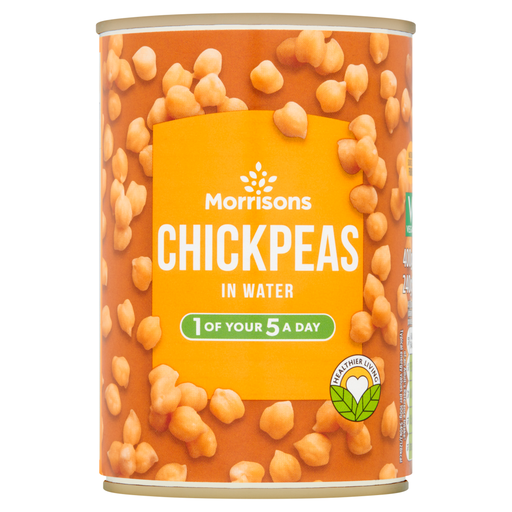
Why This Fits Their Persona: For those monitoring their sodium intake, these canned chickpeas are an excellent choice. They are packed simply in water with an antioxidant, providing a clean, wholesome source of plant-based protein and fibre without unwanted additives.
This product directly tackles the "hidden salt" pitfall. The nutritional information confirms only a 'trace' amount of salt, making it one of the cleanest options available. The quality is consistent, avoiding the "mushy" texture problem.
Extremely low sodium content. A simple, two-ingredient list (chickpeas, water) plus an antioxidant ensures a pure, natural taste for healthy meal prep.
We have compiled a complete, real-time list of products that fully satisfy these strict selection criteria and UK safety regulations.
Yes, it is generally a good idea. The liquid in the can, known as aquafaba, can be high in sodium. Rinsing your canned chickpeas under cold water can wash away a significant portion of this salt. It can also help remove the slightly "canned" taste, resulting in a cleaner flavour for your dish.
The standard method is an overnight soak in cold water. If you're short on time, you can use a quick-soak method: place the pulses in a large pan, cover with water, bring to a boil for 2-3 minutes, then turn off the heat, cover the pan and let them stand for one hour. Using a pressure cooker is another excellent way to dramatically reduce the cooking time for most dried beans and pulses.
For the most part, yes. The core nutritional components like protein and fibre remain largely intact during the canning process. The primary difference is the potential for added salt in tinned varieties and a minor reduction in some water-soluble B vitamins. By choosing pulses tinned in water with no added salt and rinsing them before use, you can enjoy a product that is nutritionally very similar to its home-cooked dried counterpart.