
24/7 Customer Support

Free returns

Same-day & Next-day Delivery

Quality Guaranteed

Unlock Your Welcome Offers: FREE Delivery | Up to 80% OFF | Free 30-day JoyPlus trial
Download the APP
Navigating the supermarket aisle for tinned fish can feel surprisingly complex. With a wall of seemingly identical cans, it's easy to grab the wrong product and end up with a meal that's too salty, too dry or simply not what you expected. As a Joybuy Product Recommendation Officer, my role is to help you see past the packaging and make choices that suit your needs, whether you're stocking up on pantry staples or looking for a specific ingredient. Let's look at a few common pitfalls that can lead to a disappointing purchase.
1. The "Healthy Choice" Sodium Trap: Many shoppers reach for tuna in brine, assuming it's a healthier alternative to oil. While lower in fat, brine is essentially salt water. A single serving can contain a significant portion of your recommended daily sodium intake, which isn't ideal for those monitoring their salt consumption.
2. Vague "Responsibly Sourced" Claims: Sustainability is a key concern for many, but the term "responsibly sourced" can be ambiguous without a clear certification. Without a recognised logo, such as the Marine Stewardship Council (MSC) blue tick, it's difficult to verify the environmental standards behind the product.
3. The Chunk vs. Steak Texture Mismatch: The description on the tin matters. "Chunks" are smaller pieces, ideal for mixing into fish for salads and sandwiches. "Steaks" are larger, firmer pieces that hold their shape better in pasta dishes or as a meal's centrepiece. Choosing the wrong type can result in a mushy salad or a dish where the fish disintegrates.
To ensure you get the right product every time, focus on these key details. They are far more important than the flashy label design.
The liquid your fish is packed in fundamentally changes its taste, texture and nutritional profile.
Turn the tin around and look at the "per 100g drained" values. For a quick, healthy meal, you want a high protein content—many tinned fish options offer over 20g of protein per 100g. Oily fish like salmon, mackerel and sardines are naturally rich in omega-3 fatty acids. While tuna is a leaner fish, the amount of omega-3s can be better preserved in oil-packed varieties compared to those in brine or water.
Don't just grab any "tuna." Skipjack is the most common type, with a light flavour and softer texture. Albacore has a firmer, meatier texture and a milder taste. Beyond the usual suspects, exploring world food fish options can introduce new flavours to your cooking. Tinned bangus (milkfish) from the Philippines or dried anchovies from Southeast Asia are fantastic ingredients for expanding your culinary horizons.
Based on these practical criteria, here are a few recommendations matched to different household needs.
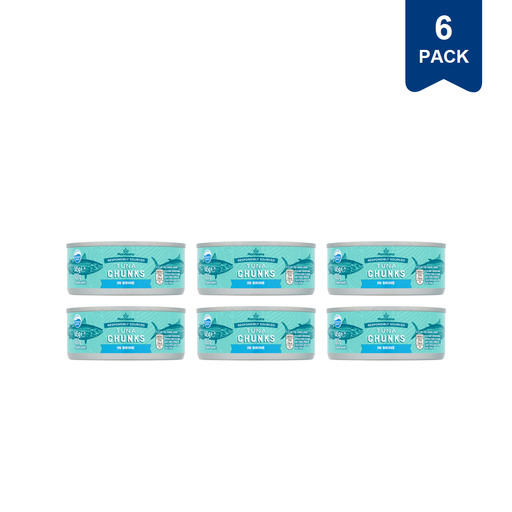
Why This Fits Their Persona: This multi-pack is ideal for families and individuals looking to bulk buy tinned fish. It provides a reliable, versatile protein source for quick lunches and dinners, ensuring the pantry is always stocked.
The "in brine" packing medium is clearly stated, allowing you to make an informed decision about sodium. The "chunks" format is specified, setting the right expectation for use in sandwiches and salads.
Excellent value in a multi-pack format. A very high protein content (24.9g per 100g) makes it a filling and nutritious option.
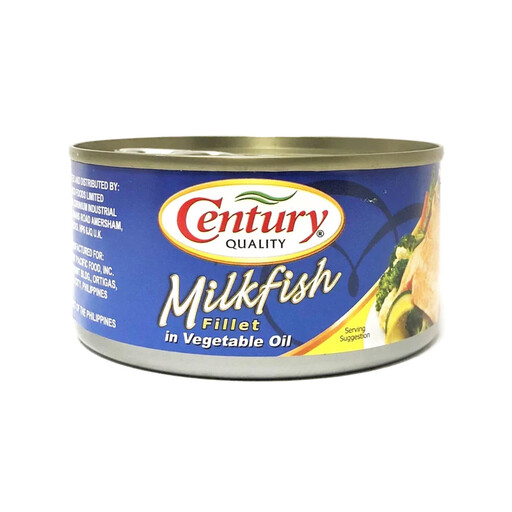
Why This Fits Their Persona: For those eager to explore world food fish, this marinated Bangus (Milkfish) is a gateway to Filipino cuisine. It offers a unique, savoury flavour that's a world away from standard tinned tuna.
This product sidesteps the trap of bland, uninspired tinned fish. It's pre-marinated and specifically designed for certain styles of seafood for cooking, giving you a clear culinary direction.
Ready-to-eat boneless fillets with a firm, flaky texture. Highly versatile—can be pan-fried, added to soups or eaten cold in salads.
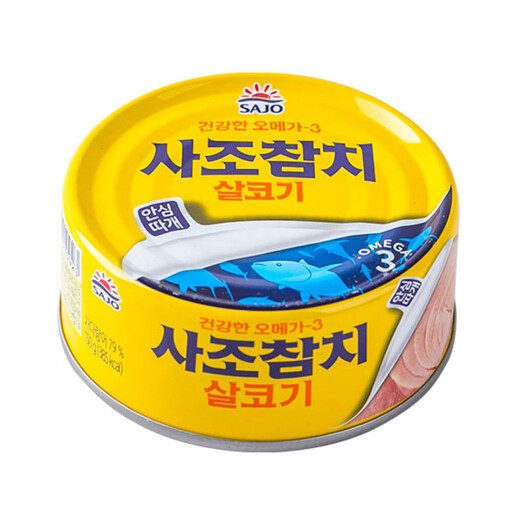
Why This Fits Their Persona: This Korean brand of tuna is tailored for those who prioritise macronutrients. It's a lean, clean protein source that fits perfectly into a diet focused on fitness and health, without any unnecessary additives.
It directly counters the sodium and fat traps. Packed in water, it has very low fat (0.8g) and moderate salt (0.8g), giving you full control over your meal's nutritional content.
An exceptional protein content of 26g per 100g makes it one of the most protein-dense options available. The mild flavour is a blank canvas for healthy recipes.
We have compiled a complete, real-time list of products that fully satisfy these strict selection criteria and UK safety regulations.
1. Is tinned fish in oil healthier than in brine? It depends on your dietary goals. Fish packed in oil often has a higher calorie and fat content, but it can help preserve more of the heart-healthy omega-3 fatty acids. Fish in brine is lower in fat but significantly higher in sodium. For the leanest choice with the most dietary control, fish in spring water is the preferred option.
2. How long does tinned fish last after opening? Once a can is opened, you should transfer any unused contents into a non-metallic, airtight container. Store it in the refrigerator and aim to consume it within two days for the best quality and safety.
3. Can I buy frozen fish online safely? Yes, it is safe to buy frozen fish online from reputable retailers. Companies that specialise in this use temperature-controlled packaging, such as insulated boxes with dry ice or gel packs, to ensure your order remains frozen during transit and arrives at your door in perfect condition. Always follow the storage instructions immediately upon receipt. This is a great way to access a wider variety of fish, from smoked salmon UK to wild monkfish fillets.