
24/7 Customer Support

Free returns

Same-day & Next-day Delivery

Quality Guaranteed

Unlock Your Welcome Offers: FREE Delivery | Up to 80% OFF | Free 30-day JoyPlus trial
Download the APP
Tinned fish can be a convenient cupboard staple for quick lunches, packed meals and family cooking. However, the lowest-priced tin is not always the most practical choice, and attractive packaging can conceal differences in drained weight, ingredients, storage and serving size.
Before buying tinned fish, watch for three common pitfalls:
The right product depends on how you plan to use it, whether you prefer fish in sunflower oil or fish in spring water, and whether a multipack will genuinely be used before its quality declines.
A 110g single tin may suit one sandwich or salad, while a seafood multipack is more practical for regular lunches and family meals. Check whether the nutrition panel refers to the product as sold or the drained weight.
For example, a 4 x 125g tuna pack provides 500g of stated product weight, but the amount of fish after draining can vary depending on the packing liquid. If you are comparing value, calculate the price against the drained weight where it is provided.
Also consider the format:
The main choices are oil, spring water, brine and sauce.
Fish in spring water generally has a lighter texture and lets you add your own dressing. Fish in sunflower oil can provide a richer mouthfeel and may work well in salads, sandwiches and pasta without additional oil. Sauces add flavour but can also increase sugar, salt or carbohydrate values.
Read the ingredient list in order. A short list such as tuna, sunflower oil and salt is easy to understand. For flavoured products, check the proportion of fish and identify ingredients such as tomato purée, chilli, sugar or vinegar.
Do not assume “ready to eat” means every seafood product needs no preparation. Tinned tuna and sardines can generally be served directly from the tin, while frozen squid, raw seafood and frozen fish require the preparation stated on the packaging.
Nutrition values help you match the product to your household’s needs. Several reference products provide around 20–25g of protein per 100g, making them suitable for high-protein seafood meals. Oil-packed products normally contain more fat and energy than spring-water alternatives, although the exact figures vary.
For example:
These are product-label values, not universal figures for every type of fish. Check the packaging for the latest information, particularly if you are monitoring salt or energy intake.
All fish allergens must be considered, and some seafood products also contain crustaceans, molluscs, mustard, soya or cereals containing gluten. After opening, many products should be transferred to a covered, non-metallic container, refrigerated and consumed within two days. Follow the instructions on the individual label.
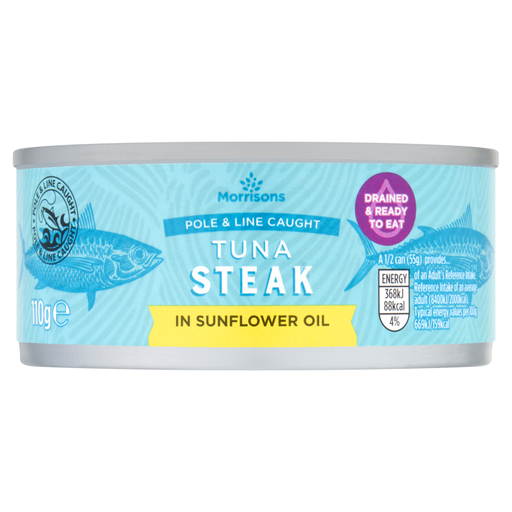
Why This Fits Their Persona: A single 110g tin is a manageable way to add tuna to sandwiches, salads or jacket potatoes without committing to a larger seafood multipack.
The listed ingredients are skipjack tuna, sunflower oil and salt, making the packing liquid clear rather than hidden behind a complex sauce.
25.4g protein per 100g; sunflower oil adds moisture and flavour to simple meals.

Why This Fits Their Persona: A larger two-portion tin suits shoppers who want salmon for more substantial salads, fishcakes or shared lunches.
The label identifies wild Pacific pink salmon at 99% of the ingredients, with salt also listed.
213g net content; 23.6g protein per 100g and no listed carbohydrate.

Why This Fits Their Persona: Four tins provide a practical cupboard supply for packed lunches, meal preparation, post-training meals or regular family recipes.
Spring water and salt are the listed ingredients, helping shoppers avoid automatically choosing oil-packed tuna when they prefer a lighter format.
500g total pack weight; listed at 25g protein and 106 kcal per 100g drained.
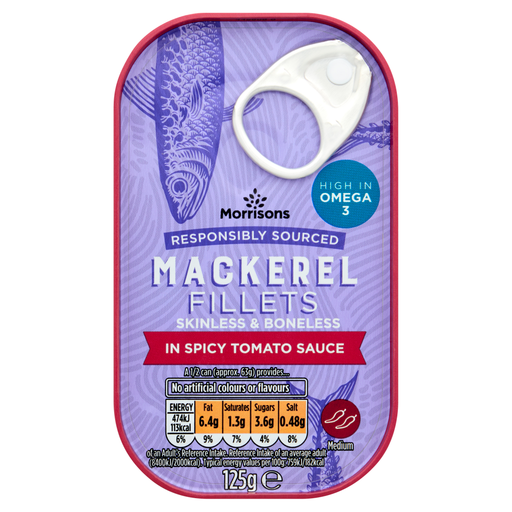
Why This Fits Their Persona: A ready-to-eat option for toast, rice, pasta or quick lunches when you want a stronger fish flavour and medium chilli heat.
The product specifies skinless and boneless fillets, while also warning that some bones may remain, giving a clearer preparation expectation.
125g tin; mackerel is listed at 56%, with tomato purée, chilli, garlic, ginger and spices for flavour.
We have compiled a complete, real-time list of products that fully satisfy these strict selection criteria and UK safety regulations.
Keep a few formats available rather than buying one type for every meal:
For meals requiring a different texture, consider frozen alternatives such as cod fillets, skinless basa or squid. Frozen products need freezer space and cooking time, but they can offer larger portions and more control over seasoning. Always follow the stated temperature and cooking instructions.
Many tinned tuna, sardine, salmon and mackerel products are ready to eat once opened. Check the label, especially for flavoured products. Frozen fish, raw squid and dried seafood may require cooking before consumption.
Storage varies, but many products should be transferred to a covered non-metallic container, refrigerated and eaten within two days. Some products specify a shorter period, so follow the packaging rather than relying on the unopened shelf-life date.
A multipack can reduce the cost per tin, but value depends on the total price, drained weight and whether you will use every portion. Compare like-for-like pack sizes and check storage requirements before purchasing.