
24/7 Customer Support

Free returns

Same-day & Next-day Delivery

Quality Guaranteed

Unlock Your Welcome Offers: FREE Delivery | Up to 80% OFF | Free 30-day JoyPlus trial
Download the APP
Hello, I'm the Joybuy Product Recommendation Officer. My role is to help you navigate the crowded shelves and make informed choices. Today, we're looking at a true pantry staple: tinned fish. It's convenient, packed with protein and incredibly versatile. However, not all tins are created equal. A simple mistake in the supermarket aisle can lead to a disappointing meal.
Let's cut through the clutter and look at the common pitfalls that can catch out even savvy shoppers and how you can avoid them to ensure you always have the right tin on hand for your needs.
To make sure you're getting the right product, focus on these three core parameters. They will help you choose the perfect tinned fish for your health, your recipes and your values.
The type of fish is the most important factor. Each offers a different flavour, texture and nutritional benefit.
The liquid inside the can does more than just preserve the fish; it affects its taste, texture and calorie count.
For many shoppers, how the fish was caught is as important as the fish itself.
To help you find the right fit, here are a few options matched to different needs and preferences.
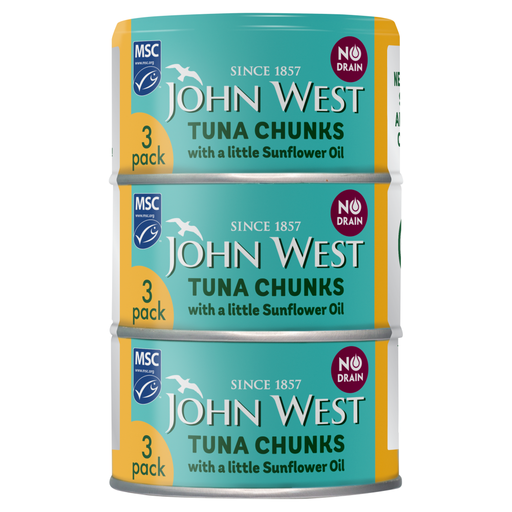
Why This Fits Their Persona: This fish multipack is ideal for stocking the pantry. The no-drain feature is a significant time-saver for busy parents and professionals needing a quick, mess-free ingredient for sandwiches, jacket potatoes or a simple pasta dish.
It completely solves the "Packing Liquid Puzzle" by eliminating the need to drain, providing consistently moist tuna chunks without the oily mess or watery residue.
Ultimate convenience with its no-drain design and easy-open multipack. It's a reliable source of protein, with 27g per 100g.
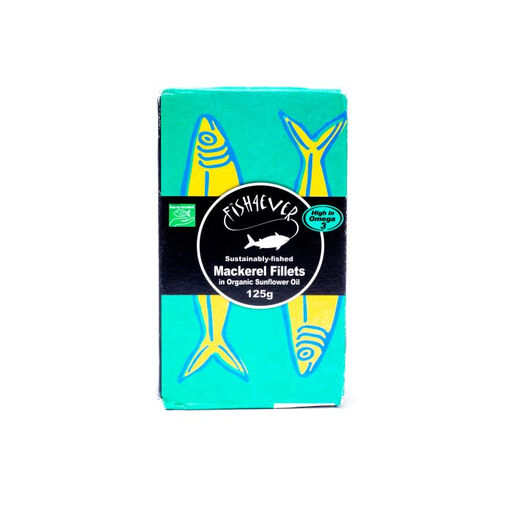
Why This Fits Their Persona: This user actively seeks out organic tinned fish and products with clear ethical standards. The brand's stated commitment to sustainable fishing and supporting local communities directly aligns with their values.
It counters the "Vague Sustainability Claims" pitfall by being transparent about its sourcing philosophy. The use of organic sunflower oil also provides a clear, high-quality choice.
A product with a clear focus on sustainability and clean ingredients. The mackerel fillets provide 25g of protein per 100g and are rich in omega-3s.
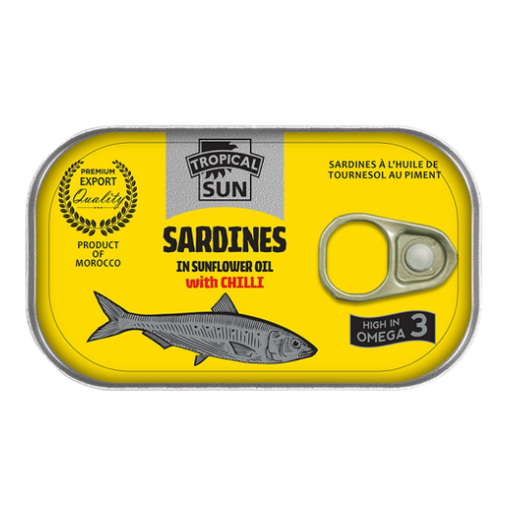
Why This Fits Their Persona: For those who want to move beyond the basics, these sardines offer a gentle chilli kick. It's an effortless way to add a layer of flavour to a quick lunch on toast or to spice up a simple pasta sauce without needing extra ingredients.
This product avoids the risk of a bland or one-dimensional meal. The added chilli provides a guaranteed flavour boost, making it a more exciting and satisfying choice than a standard tin.
A ready-to-eat product with a built-in flavour twist. The sardines are tender and provide 23.1g of protein per 100g (drained).
We have compiled a complete, real-time list of products that fully satisfy these strict selection criteria and UK safety regulations.
Tinned fish is a fantastic source of protein and healthy fats like omega-3s. Including it as part of a varied and balanced diet is a great choice. For larger fish like tuna, it's generally advised to moderate intake due to potentially higher levels of mercury. Alternating between different types of fish, such as sardines, mackerel and tuna, is a good way to balance your nutrient intake.
Once a tin is opened, you should transfer any unused fish to a non-metallic, airtight container. Store it in the refrigerator and aim to consume it within two days to ensure it remains fresh and safe to eat. Never store leftover food in the opened metal can.
Yes, absolutely. The canning process makes the bones very soft and completely edible. They are an excellent source of calcium, so eating them gives you an extra nutritional boost. If you prefer, they can be easily removed, but most people eat them along with the fish.