
24/7 Customer Support

Free returns

Same-day & Next-day Delivery

Quality Guaranteed

Unlock Your Welcome Offers: FREE Delivery | Up to 80% OFF | Free 30-day JoyPlus trial
Download the APP
By Joybuy Product Recommendation Officer
Tinned fish is a useful UK store-cupboard staple: it is ready to eat, easy to store and suitable for quick lunches, packed meals and simple dinners. However, comparing tinned fish can be confusing when similar-looking tins vary significantly in fish content, drained weight, packing medium and salt.
Whether you are shopping for tinned sardines, tinned tuna or tinned mackerel, the most suitable choice depends on how you plan to eat it. A tin for toast may need a stronger flavour, while lunchbox salads or meal preparation may suit tuna in spring water or brine.
A larger tin is not automatically better value. Some of the stated weight may be liquid, oil or sauce, so compare the drained weight where it is provided. This shows how much fish you are likely to use in a salad, sandwich or cooked meal.
A 125g tin of sardines and a 160g tin of tuna may also contain different proportions of fish. Check the ingredient list and the percentage of fish before comparing prices.
Oil, brine, spring water and tomato sauce affect both flavour and cooking results.
Words such as “premium”, “natural” or “high quality” do not tell you how much fish is in the tin or how much salt it contains. Look for measurable details: ingredients, nutrition per 100g, net quantity, drained weight, allergens and storage instructions.
Some tinned fish contains small bones, particularly sardines. These are commonly part of the product’s texture, but check the packaging and take care when serving children.
The ingredient list is arranged by weight. A higher fish percentage generally means less room for sauce, oil or water. For example, the listed sardine products include fish percentages between 72% and 85%, while the spring-water sardines specify 75%.
Also check for additional ingredients that may affect suitability. Mackerel in tomato sauce can include wheat flour, while some sardines in oil contain soya-based ingredients or chilli. UK food labelling rules require allergens such as fish, wheat and soya to be clearly identified, but always read the current label before purchase.
Use the nutrition panel to compare products on a consistent basis. Important figures include:
Sardines and mackerel are naturally sources of omega-3 fatty acids, while tuna offers a familiar, lean protein option. This article is not a medical recommendation; for individual dietary needs, follow advice from a qualified healthcare professional.
Smaller tins can reduce waste for one-person lunches, while 400g tins may suit family meals, stews or pasta. Once opened, transfer leftovers to a non-metallic, covered container, refrigerate and follow the product’s stated consumption period. Depending on the item, this may be within 24 or 48 hours, or up to two days.
Do not use a can that is bloated, leaking or badly damaged. Store unopened tins in a cool, dry place away from direct sunlight.
The following options are matched to different shopping priorities rather than ranked against one another.
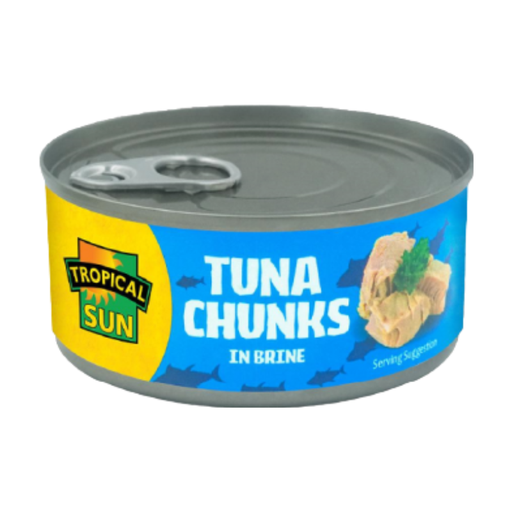
Why This Fits Their Persona: A straightforward everyday tin for UK shoppers building a practical cupboard supply for sandwiches, salads and quick pasta meals.
The ingredients are tuna, water and salt, making the packing medium clear rather than hidden in a complex sauce.
Listed at approximately 22.6g protein and 0.5g fat per 100g; ready to eat and suitable for multiple recipes.
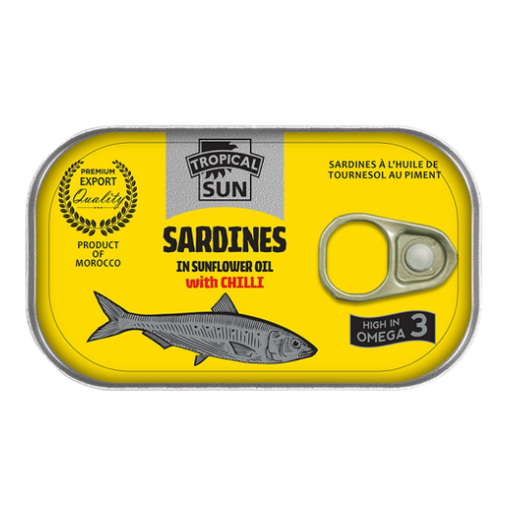
Why This Fits Their Persona: A flavour-led choice for shoppers who want a ready-to-eat seafood option with a mild chilli note for toast, salads or pasta.
Its 125g net quantity and 72% sardine content are stated, while the sunflower oil and chilli are clearly listed.
Provides 23.1g protein per 100g drained and can be served cold or gently heated.

Why This Fits Their Persona: A simple option for people who prefer to control the seasoning and use sardines in salads, spreads, pasta or homemade meals.
Spring water avoids added oil, and the short ingredient list makes it easier to assess what you are buying.
Listed at 20g protein and 155 kcal per 100g; contains sardines, spring water and salt.
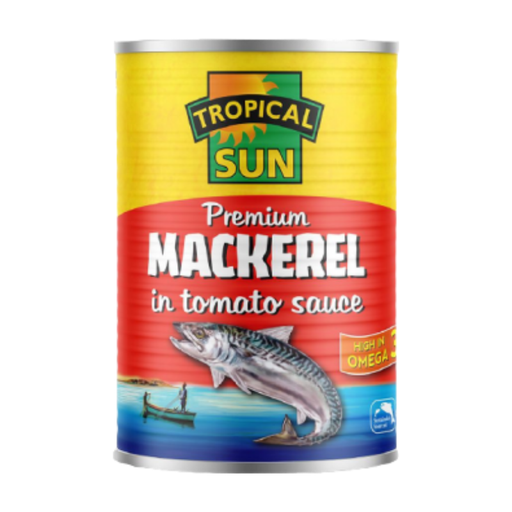
Why This Fits Their Persona: The 400g format suits family portions, stews, rice dishes, pasta sauces and Caribbean-style cooking.
The larger format is clearly stated, and the tomato sauce ingredients include wheat flour, so allergy checks are more transparent.
Firm mackerel pieces in a prepared tomato sauce; suitable cold or gently warmed in several dishes.
We have compiled a complete, real-time list of products that fully satisfy these strict selection criteria and UK safety regulations.
For a fast lunch, combine tuna in spring water with sweetcorn, cucumber and a yoghurt or mayonnaise dressing. Sardines can be mashed with lemon juice and herbs for toast or crackers. Mackerel in brine works well with potatoes, leafy salads and pasta, while tomato-sauce varieties can be warmed with rice, beans or vegetables.
If you are preparing meals in advance, portion the fish after opening and refrigerate it promptly. Avoid leaving opened seafood in the original tin, especially if it will not be eaten immediately.
Most commercially tinned sardines, tuna and mackerel are cooked during processing and labelled ready to eat. You can serve them cold or gently warm them according to the packaging instructions. Do not boil, and follow any reheating guidance on the tin.
The precise period varies by product. Many tins advise transferring leftovers to a covered, non-metallic container, refrigerating and consuming within 24 hours; others state up to two days. Check the individual label rather than relying on a general storage assumption.
Tuna chunks in brine or spring water are convenient for salads, wraps, sandwiches and fish cakes. Sardines are useful for toast, pasta and salads, while larger tins of mackerel in tomato sauce can form the basis of family stews, rice dishes and quick dinners. Compare protein, salt, packing medium and drained weight before choosing.