
24/7 Customer Support

Free returns

Same-day & Next-day Delivery

Quality Guaranteed

Unlock Your Welcome Offers: FREE Delivery | Up to 80% OFF | Free 30-day JoyPlus trial
Download the APP
Tinned fish is a useful storecupboard food for quick lunches, family meals and no-cook snacks. However, the tin that looks like good value may not provide the texture, portion size or flavour you expect. Comparing the fish, packing medium, drained weight and storage instructions can help UK shoppers avoid disappointing purchases.
Whether you are looking for tinned tuna, tinned sardines, tinned salmon or tinned mackerel, the label usually tells you more than the front-of-pack marketing.
A 125g tin may include oil, springwater, brine or sauce. The edible fish portion can therefore be lower than the headline net weight. When comparing products, check whether the nutrition information is given per 100g drained or for the whole product.
This matters particularly when comparing tuna chunks in oil with tuna in brine or springwater. A multi-pack may offer practical value, but the portion size and drained weight still determine how much fish reaches your plate.
Tuna chunks generally have a mild flavour and firm, flaky texture, making them suitable for sandwiches, salads and pasta bakes. Sardines and mackerel have a more distinctive flavour and may contain small bones, even when the label states that care has been taken during preparation.
Sauced products can also vary considerably. Sardines in tomato sauce may be ready to spoon over toast, while sardines in oil work well in salads, pasta or sandwiches but add more fat and energy to the dish.
Terms such as “high protein” or “omega-3 rich fish” can be useful starting points, but they do not replace the nutrition panel. Compare protein, fat, saturates, salt and energy per 100g. For flavoured products, also check sugar and carbohydrate levels.
For example, John West Tuna Chunks in Springwater lists 25g of protein, 0.7g of fat and 0.80g of salt per 100g drained. Its Sweet Chilli Infusions product provides 22g of protein per 100g, but also lists 8g of sugar and 221kcal per 100g.
Choose according to how you plan to eat it:
Check the ingredient list for the actual fish percentage. For example, Tropical Sun Canadian Style Sardines in Spring Water lists sardines at 75%, while John West Sardines in Spicy Tomato Sauce lists sardines at 71%.
The packing liquid affects taste, calories and how the product fits your meal:
The Morrisons Fad Free Tuna Chunks in Brine lists 24.9g of protein and 109kcal per 100g drained. By comparison, John West Tuna Chunks in Sunflower Oil lists 235kcal and 15g of fat per 100g drained.
Multi-packs can suit households that use fish regularly. A four-pack of 125g tuna cans is convenient for several lunches, while a single 80g pot may be more suitable for one snack or a small meal.
All tinned fish contains fish allergens. Some products may also contain or risk traces of soya, mustard, milk, wheat or other cereals, particularly flavoured and Asian-style products. Always check the current packaging before purchase.
Store unopened cans in a cool, dry place and check for swelling, leaks or serious dents. After opening, transfer unused contents to a non-metallic container, refrigerate and follow the product’s stated consumption period, commonly within 24–48 hours or two days.
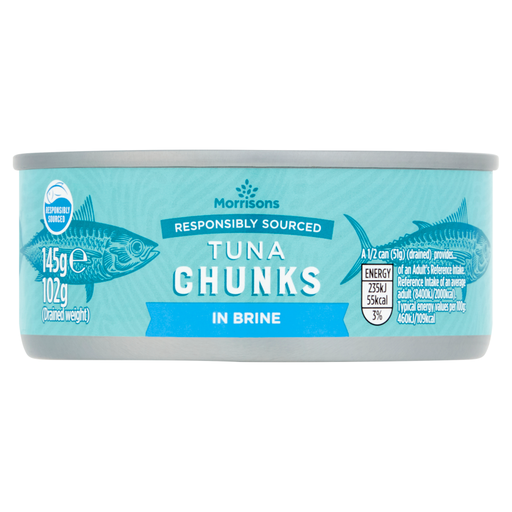
Why This Fits Their Persona: A single 145g can is a straightforward option for shoppers building an affordable storecupboard and planning salads, sandwiches or everyday recipes.
The label clearly identifies skipjack tuna in brine, helping avoid confusion between packing liquid and fish.
24.9g protein and 109kcal per 100g drained; mild flavour and a simple ingredient list.

Why This Fits Their Persona: Suitable for households wanting multiple consistent portions for packed lunches, pasta bakes and quick balanced meals.
Its four 125g cans make the total quantity clear, while springwater avoids the added oil found in some tuna products.
25g protein and 106kcal per 100g drained; four-can format for planned household use.
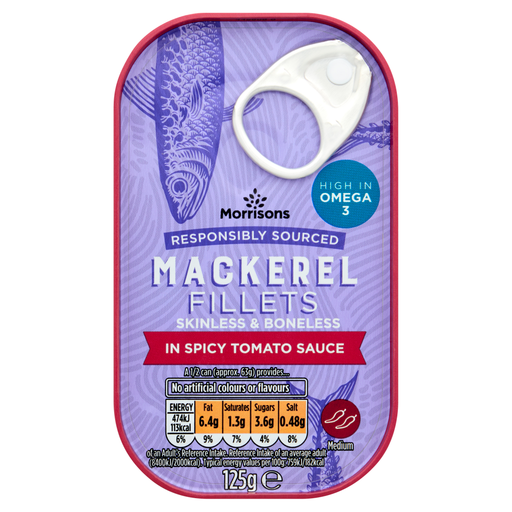
Why This Fits Their Persona: A practical choice for shoppers who want ready-to-eat fish with a stronger flavour for toast, rice, pasta or a warm meal.
The label provides specific omega-3 information rather than relying only on general front-of-pack wording.
Lists 1.5g omega-3 per 100g, including DHA and EPA; skinless and boneless according to the product description.
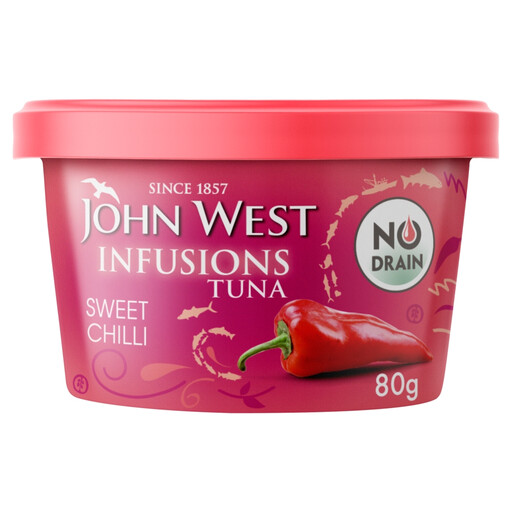
Why This Fits Their Persona: Its small, resealable format suits desk lunches, quick snacks and shoppers who prefer seasoned fish without preparing a sauce.
The 80g size and no-drain format make the practical serving amount clear; the ingredients identify the chilli, oil and sugar content.
Ready to eat with no draining; provides 22g protein per 100g and includes sweet red pepper and jalapeño flavouring.
We have compiled a complete, real-time list of products that fully satisfy these strict selection criteria and UK safety regulations.
Many products provide substantial protein per 100g. The examples above range from 22g to 25g per 100g, but the actual amount eaten depends on the drained portion and pack size. Check the nutrition panel rather than relying only on the product name.
Follow the label instructions. Many products should be transferred to a covered, non-metallic container, refrigerated and eaten within two days. Some sardine products specify 24 hours, so the packaging should take priority.
It can reduce waste because it is shelf-stable and ready to use, but value depends on the drained fish weight, pack size and price. Compare the cost per 100g of drained fish where that information is available, rather than comparing the printed tin weight alone.