
24/7 Customer Support

Free returns

Same-day & Next-day Delivery

Quality Guaranteed

Unlock Your Welcome Offers: FREE Delivery | Up to 80% OFF | Free 30-day JoyPlus trial
Download the APP
From a quick lunch on toast to the base of an authentic Sichuan feast, the world of tinned fish and seafood is far more diverse than many realise. Yet, navigating the aisles can be tricky. Vague labels and unfamiliar product types can lead to disappointing meals and wasted money. As a Joybuy Product Recommendation Officer, my role is to help you understand what to look for, so you can stock your pantry with confidence.
This guide cuts through the clutter, focusing on the practical details that matter. We will look at the common pitfalls to avoid and the key factors to check before you buy, ensuring you get the flavour and convenience you expect.
Many shoppers are caught out by a few recurring issues. Being aware of them is the first step to making a better choice.
mala blend.suan cai yu kit is not a soup you can heat and serve; it is a multi-part seasoning base that requires you to prepare and cook fresh fish. Buying the wrong type can turn a planned 5-minute meal into an unexpected 30-minute cooking project.To avoid these traps, focus on a few key product characteristics. This will help you match the right product to your meal plan.
Understanding the base liquid is crucial for getting the texture and taste you want.
tinned mackerel in tomato sauce or Filipino style tuna are designed to be a main component, offering a complete flavour profile that pairs well with rice, pasta or bread. The sauce is integral to the dish.Instead of settling for a generic "spicy" label, look for more descriptive terms that indicate a specific regional flavour. This is key to finding authentic tastes.
Sichuan cooking base or "mala," expect a combination of fiery chilli heat and the unique, tingling-numbing sensation of Sichuan peppercorns. This is a hallmark of authentic Chinese fish seasoning.canned sardines UK and mackerel products, this is typically a milder, sweeter heat. Look for a chilli rating on the packaging for a better idea of the intensity.Finally, clarify the product's intended use.
tinned mackerel in tomato sauce, tuna flakes in various sauces and dedicated Asian fish snacks. They require no further cooking.grilled fish seasoning packets. It also covers plain items like frozen squid for grilling, which are raw ingredients. These products are not ready to eat and form the foundation of a home-cooked meal.Based on these practical criteria, here are a few products suited to different needs and lifestyles.

Why This Fits Their Persona: Perfect for a quick, high-protein lunch that breaks the monotony. The authentic Filipino adobo flavour—a blend of soy sauce, vinegar and garlic—is ready to be served over rice or used as a flavourful sandwich filler, offering a satisfying meal in minutes.
It avoids the "vague spice" pitfall by clearly stating its flavour profile is "Adobo Style." It is also explicitly a ready-to-eat product, eliminating any cooking confusion.
Provides a distinct, savoury and tangy flavour that is a welcome alternative to standard tuna. The 60% tuna content ensures a satisfying, protein-rich meal.
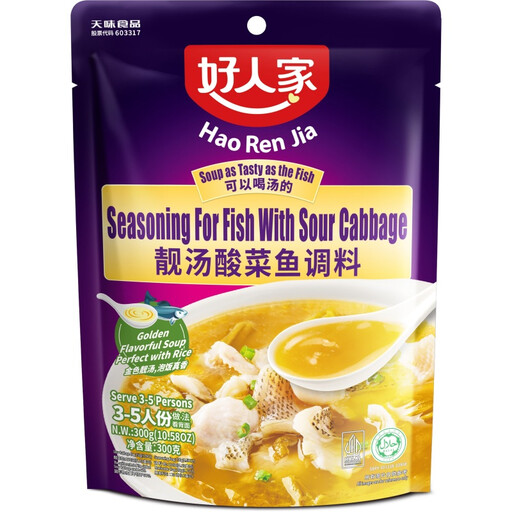
Why This Fits Their Persona: For those wanting to recreate an authentic Sichuan "Suan Cai Yu" (Fish with Sour Cabbage) at home. This kit provides the specific, hard-to-source ingredients needed to achieve the restaurant-quality tangy and savoury broth.
This product clearly avoids the "ready-to-eat" trap. Its three-part system (seasoning, marinade and sour cabbage) signals that it is a cooking ingredient, not a finished meal.
Offers convenience without sacrificing authenticity. The three-bag system simplifies the complex process of flavour layering required for this classic Sichuan dish.
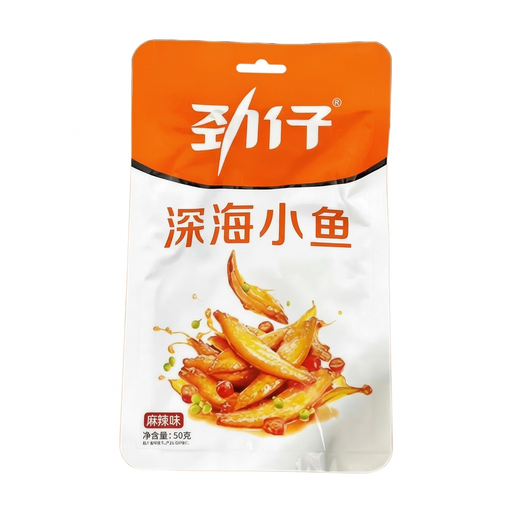
Why This Fits Their Persona: An ideal high-protein, low-carb snack for those who enjoy bold flavours. These chewy, dried small fish are seasoned with an authentic Sichuan mala blend, providing a satisfyingly spicy and numbing kick. The individual packs are perfect for carrying in a bag.
The flavour is precisely described as "Sichuan Mala (numbing and spicy)," setting a clear expectation of the taste and heat level. It is unambiguously an Asian fish snack, not a meal.
Offers a unique texture and authentic spicy flavour not commonly found in UK snacks. The 5 individual small packs ensure freshness and convenient portion control.
We have compiled a complete, real-time list of products that fully satisfy these strict selection criteria and UK safety regulations.
1. How long does tinned fish last after opening? Once a can is opened, any unused contents should be transferred to a non-metallic, airtight container. Store it in the refrigerator and consume it within two days to ensure it remains fresh and safe to eat.
2. Are Asian cooking kits like a suan cai yu kit difficult for beginners to use? Most of these kits are specifically designed for home cooks. They typically include pre-portioned seasoning packets and clear, step-by-step instructions on the packaging. While they require cooking, they make it much simpler to create an authentic dish than sourcing all the individual spices and ingredients yourself.
3. What is the main difference between canned sardines and canned mackerel? The primary differences are size, texture and flavour. Sardines are smaller fish, often packed whole (with skin and edible bones), and have a distinct, stronger flavour. Mackerel fillets, on the other hand, are larger, meatier chunks of fish, are almost always sold skinless and boneless, and have a milder, less oily taste.