
24/7 Customer Support

Free returns

Same-day & Next-day Delivery

Quality Guaranteed

Unlock Your Welcome Offers: FREE Delivery | Up to 80% OFF | Free 30-day JoyPlus trial
Download the APP
Tinned food is a useful way to keep affordable, long-life groceries available for quick lunches, family meals, camping trips and unexpected gaps between shops. However, a low shelf price does not always mean good value. The tin size, drained weight, ingredients and preparation instructions can all change what you are actually buying.
This guide explains the main pitfalls to avoid and highlights suitable choices for different household needs, from tinned vegetables and tinned beans to tinned meat, fruit, soup and ready-to-eat food.
A 400g tin may include water, brine or syrup. The amount left after draining can be considerably lower. For example, a 400g tin of standard hot dogs listed here has a drained weight of 250g, while a 435g tin of pineapple slices has a drained weight of 260g.
When comparing prices, check:
This is particularly important when comparing luncheon meat, fruit and tinned vegetables.
Some tinned food can be eaten directly after opening, while other products require thorough cooking. Standard hot dogs and sardines may be served hot or cold according to their instructions, but Tropical Sun Chicken Luncheon Meat is marked as requiring cooking. Chinese-style pork sausage also requires cooking and is not ready to eat.
Read the preparation instructions rather than relying on phrases such as “convenient” or “quick meal”. A product that needs frying may not suit a packed lunch, while a ready-to-eat option can be useful for travel or emergency food storage.
Marketing language can make a product appear broadly suitable when the ingredients tell a more precise story. Check the allergen declaration for wheat, gluten, soya, milk, mustard and fish, as well as dietary labels such as vegetarian, vegan or halal.
For example, Cooks & Co 5 Bean Mix is suitable for vegetarians and contains white beans, chickpeas, lima beans, kidney beans and borlotti beans. By contrast, many tinned meat products contain pork, chicken, wheat or soya. Always check the current packaging, especially if a dietary requirement is important.
Look beyond the front label. Compare the main ingredient percentage, added salt, sugar and allergens. The distinction between fruit in syrup and fruit in juice can affect how you use it. Princes Pear Halves are packed in sugar water, while Del Monte Pineapple Slices are packed in pineapple juice.
For plant-based pantry staples, simple ingredient lists can be useful. Cooks & Co Red Kidney Beans contain red kidney beans and water, while Morrisons Chickpeas In Water contain chickpeas, water and ascorbic acid.
Use the per 100g figures to compare different products, then check the serving information for meal planning. Tinned meat and hot dogs can provide protein but may also contain more salt and fat than beans, tomatoes or fruit.
As examples:
These figures do not determine whether a product is right for you, but they make comparisons clearer.
Before opening, most ambient tins should be stored in a cool, dry place, away from direct heat, damp and frost. Do not use tins that are swollen, leaking, punctured or severely damaged.
After opening, transfer leftovers to a covered, non-metallic container and refrigerate. Many products advise consuming them within two to four days, depending on the item. Follow the packaging instructions rather than keeping opened food in the tin.
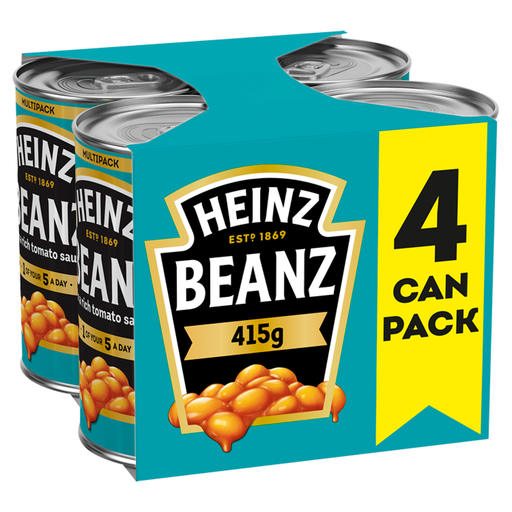
Why This Fits Their Persona: A four-pack gives students, first-time renters and families several portions of a familiar pantry staple for toast, jacket potatoes and quick side dishes.
The multipack format makes the total quantity clear, while the product information specifies 1,660g across four 415g tins rather than relying on a vague bulk label.
Suitable for vegetarians and vegans; each 100g contains 4.8g protein and 15.5g carbohydrate.
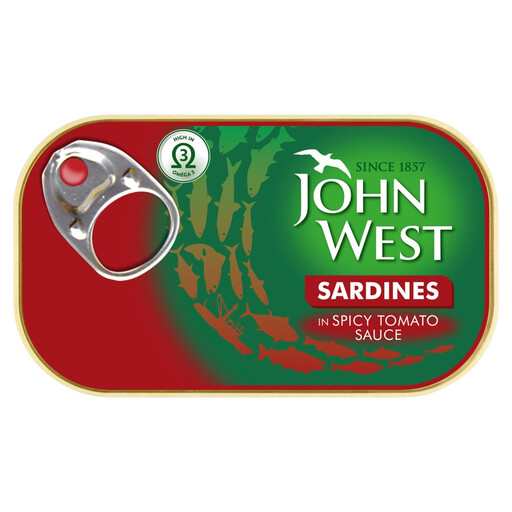
Why This Fits Their Persona: Suitable for shoppers wanting a compact fish option that can be served on toast, with pasta, in salads or directly from the tin.
The product page states the fish content, sauce ingredients, allergen information and per-tin nutrition, helping shoppers assess the whole serving rather than only the front label.
Contains 71% sardines; provides 20g protein per 120g tin and can be served hot or cold.
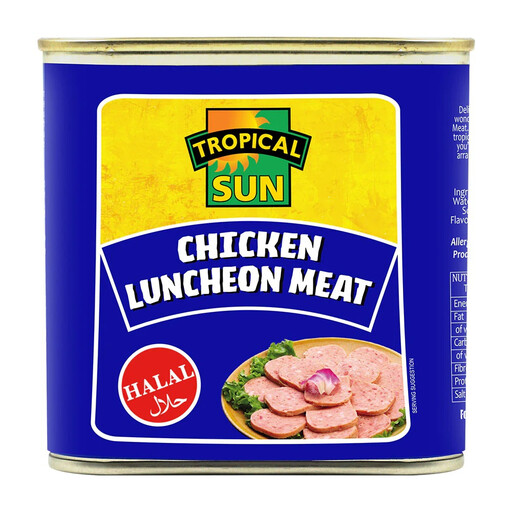
Why This Fits Their Persona: A practical option for halal households seeking a sliceable tinned meat ingredient for fried rice, sandwiches, noodles and stir-fries.
The listing clearly states that cooking is required, countering the assumption that every luncheon meat product is ready to eat straight from the tin.
Marked halal; contains 60% chicken meat and can be pan-fried, deep-fried or stir-fried.
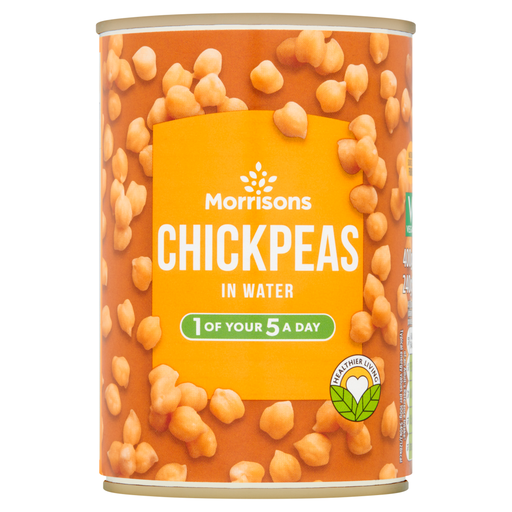
Why This Fits Their Persona: A flexible ingredient for vegan and vegetarian households, useful in hummus, curries, salads, stews and roasted snacks.
The ingredient list is short, and the product information states that the tin contains approximately two portions, making meal planning easier.
Suitable for vegans and vegetarians; provides 7.4g protein per 100g drained.
We have compiled a complete, real-time list of products that fully satisfy these strict selection criteria and UK safety regulations.
Many unopened tins are suitable for pantry storage because they are kept at ambient temperature and have a best-before date. Choose a dry, cool cupboard and rotate older items forward. Include a mix of ready-to-eat food, tinned beans, fruit, soup and products that require minimal cooking. Check each tin for damage before use.
It depends on the product. Several examples in this range advise transferring leftovers to a covered container, refrigerating them and consuming them within two days. Some fruit and bean products allow up to three or four days. Follow the individual label and discard food with an unusual smell, appearance or texture.
They can be practical value choices because they are ready to use and help reduce preparation time. Compare the price per drained weight, not only the shelf price. Beans, chickpeas, sweetcorn and peeled tomatoes can also stretch soups, pasta sauces, curries and stews without requiring extensive preparation.