
24/7 Customer Support

Free returns

Same-day & Next-day Delivery

Quality Guaranteed

Unlock Your Welcome Offers: FREE Delivery | Up to 80% OFF | Free 30-day JoyPlus trial
Download the APP
Tinned food can make weekday meals easier, but the shelf-stable aisle is not always as straightforward as it appears. Similar-looking cans may contain noticeably different amounts of drained food, added salt, syrup or oil. Frozen seafood also requires a different approach, particularly when checking cooking instructions and storage conditions.
For UK households, meal planners and busy professionals, the most useful question is not simply “Which tin is cheapest?” It is whether the product suits the way you intend to eat and store it.
A 415g tin of fruit may contain around 235g of drained peaches, while the remaining weight is juice. Likewise, tuna packed in brine or oil should be compared using drained weight and nutrition per 100g drained, rather than the total figure printed on the front.
This matters when working out the cost of usable food, planning portions or stocking store cupboard essentials.
Tinned fruit in juice can be a practical ready-to-eat food, but it still contains naturally occurring sugars. Some products may also contain added sugar, particularly fruit packed in syrup. Check the ingredients list and the carbohydrate or sugar values before buying.
For example, Morrisons Peach Slices In Juice contains peaches, clarified grape juice from concentrate and citric acid. Tiger Tiger Canned Pineapple Pieces contains pineapple, water, sugar and citric acid, and is packed in light syrup.
Tinned tuna in brine and tinned fish can provide convenient protein for sandwiches, salads and pasta, but salt levels vary between products. Tuna in sunflower oil also has a higher energy value than tuna in springwater or brine because of the added oil.
Frozen seafood presents a different potential mistake: some products are raw and must be thoroughly cooked. A frozen squid product is not automatically ready to eat, so always read the preparation instructions before serving.
The ingredients list should match your dietary requirements and intended recipe. Tuna products contain fish, while squid products contain molluscs. Some coated frozen seafood may also contain wheat, soya or celery.
For vegan or gluten-free shopping, do not rely solely on front-of-pack wording. Morrisons Peach Slices In Juice is listed as suitable for vegans and naturally gluten-free, while Surya Frozen Cassava Chunks contain cassava but carry a may-contain allergen statement.
For tinned tuna, look for the drained nutritional panel. Morrisons Fad Free Tuna Chunks In Brine provides 24.9g protein and 109 kcal per 100g drained. John West Tuna Chunks In Springwater lists 25g protein and 106 kcal per 100g drained.
Tuna in oil has a different profile. Morrisons Fad Free Tuna Chunks In Sunflower Oil provides 159 kcal and 6.4g fat per 100g drained, while John West Tuna Chunks In Sunflower Oil lists 235 kcal and 15g fat per 100g drained. These figures help you choose according to your meal plan without relying on vague marketing language.
Unopened tins generally belong in a cool, dry cupboard, away from damp and excessive heat. After opening, transfer unused contents to a non-metallic or sealed container, refrigerate and follow the stated consumption period—often within two days for tuna.
Frozen food should remain at -18°C or below. Do not refreeze products after thawing unless the packaging specifically permits it. Raw squid, ribbonfish and king fish must be cooked thoroughly, while frozen cassava should also be cooked until tender and piping hot.
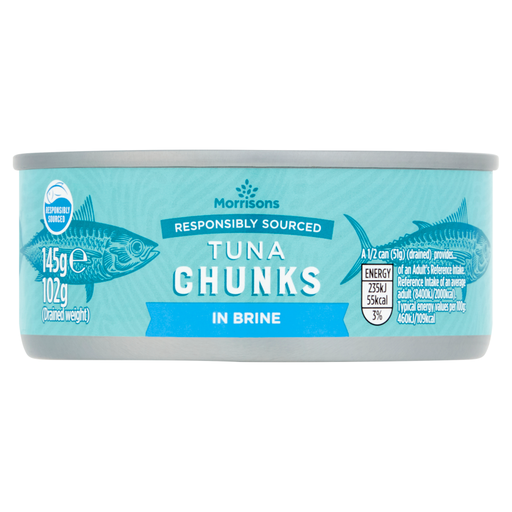
Why This Fits Their Persona: A practical single-can option for students, smaller households and shoppers building a basic cupboard of quick lunch ingredients.
The drained nutrition panel makes comparison easier, and the ingredients are limited to skipjack tuna, water and salt rather than an oil-based sauce.
24.9g protein and 109 kcal per 100g drained; suitable for salads, sandwiches and everyday cooking.

Why This Fits Their Persona: A four-pack suits organised lunch planning and households wanting a straightforward tuna option with springwater rather than sunflower oil.
The pack format and drained values reduce guesswork when planning portions, while the ingredients list clearly identifies tuna, springwater and salt.
25g protein per 100g drained; four 125g cans for salads, pasta, sandwiches and batch lunches.
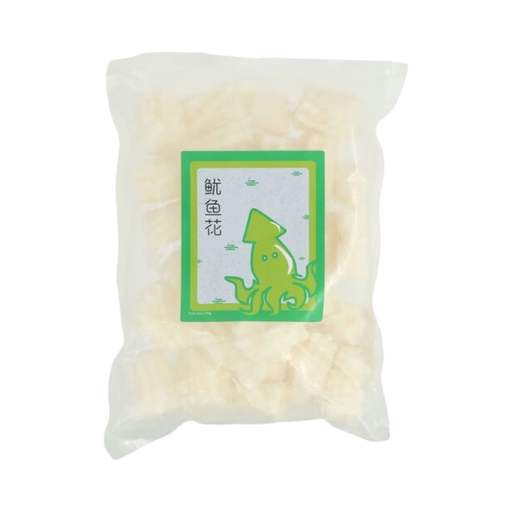
Why This Fits Their Persona: A larger freezer pack for home cooks preparing stir-fries, soups, teppanyaki-style dishes or seafood meals for several people.
It is clearly labelled as cooking-required frozen seafood, so buyers are less likely to mistake it for a ready-to-eat product.
700g pack of wild squid pieces; suitable for stir-frying, grilling and soups after complete thawing and thorough cooking.
We have compiled a complete, real-time list of products that fully satisfy these strict selection criteria and UK safety regulations.
Many unopened tins can be stored in a cool, dry cupboard until the best-before date shown on the packaging. Rotate older items to the front and inspect cans before opening. Do not use cans that are bulging, badly dented, leaking or showing signs of damage.
Tinned tuna can provide a substantial amount of protein. The exact amount depends on the product and whether the figure is stated per drained or prepared weight. For example, the listed Morrisons brine tuna provides 24.9g per 100g drained, while John West springwater tuna lists 25g. Check the label rather than assuming all tinned fish has identical nutrition.
Follow the packaging instructions. Several tuna products listed here advise transferring leftovers to a non-metallic or sealed container, refrigerating them and consuming within two days. Fruit products may have different guidance, so check the individual label and avoid storing leftovers in the opened metal can.