
24/7 Customer Support

Free returns

Same-day & Next-day Delivery

Quality Guaranteed

Unlock Your Welcome Offers: FREE Delivery | Up to 80% OFF | Free 30-day JoyPlus trial
Download the APP
Tinned food can make weekday meals simpler, but the label on the front does not always tell the full story. A large tin may contain less drained food than expected, while a soup advertised as a quick lunch may still require careful checking for allergens, salt or serving size.
For UK shoppers, the most useful approach is to compare the actual format, ingredients, nutrition panel, storage guidance and portion size before adding products to the basket. Whether you need tinned soup, tinned tuna, ready-to-eat meals or cat food pouches, these checks help prevent waste and unsuitable purchases.
The weight printed on a can includes liquid, oil or sauce. This matters particularly with tinned tuna in brine or oil. A 145g tin does not mean 145g of drained tuna. Compare the drained weight where it is provided, especially when calculating the cost per portion.
No-drain products can reduce mess and preparation time, but their nutrition values may include the surrounding oil. Check whether the figures are listed per 100g of product or per 100g drained.
Tinned soup can provide a warm starter or light meal, but a small serving may not be filling on its own. A cup soup sachet can be convenient for a desk drawer or student kitchen, while a 400g can may provide two servings. Consider what you will add: bread, beans, cooked grains, salad or leftover vegetables can turn a simple product into a more substantial meal.
Ready-to-eat meals also vary considerably. Some are designed to eat straight from the container, while others need heating until piping hot. Read the preparation instructions rather than relying only on the phrase “ready to eat”.
Long-life food still needs sensible storage. Most unopened tins should be kept in a cool, dry place, away from heat and direct sunlight. Do not use cans that are swollen, badly damaged or leaking. After opening, transfer leftovers to a suitable container, refrigerate and follow the label’s consumption period—commonly within two days.
Allergens can appear in familiar products. Soup may contain milk, wheat, gluten, celery or egg, while tuna products contain fish and may include soya or other ingredients in sauces. Always check the current packaging, particularly when buying for children, guests or anyone with an allergy.
Use the serving information to estimate real value. A 400g soup can may state two servings, whereas a multipack of tuna offers several meal components. For tuna in olive oil, tuna in sunflower oil and tuna in brine, compare:
Brine generally provides a lighter format than oil, but the salt level still deserves attention. Oil can add flavour and moisture, while also increasing energy and fat content.
Ingredients are listed by weight, so the first few items show what makes up most of the product. For example, Princes Tuna Chunks in Brine lists tuna, water and salt, while a tuna meal in sauce may include tomato, vegetables, oil, starches and seasoning.
Look for allergens highlighted in bold on the pack. This is a practical requirement under UK food labelling rules, but recipes and packaging can change, so online descriptions should not replace the label.
Check the best-before marking and choose pack sizes that match your household’s usage. Multipacks can work well for families and meal planners, but buying more than you can use may create unnecessary waste.
Rotate store cupboard essentials by placing older tins at the front. For opened products, never store food in an opened metal can in the fridge unless the product instructions specifically allow it; transfer it to a covered, non-metallic container instead.

Why This Fits Their Persona: A four-can format suits students, shared flats and families building an affordable cupboard base for sandwiches, salads and pasta.
The product clearly identifies its 580g total pack size and nutrition per 100g drained weight, making portion planning easier than judging by tin size alone.
Tuna, water and salt are listed as the ingredients; each 145g can is suitable for everyday recipes after draining.
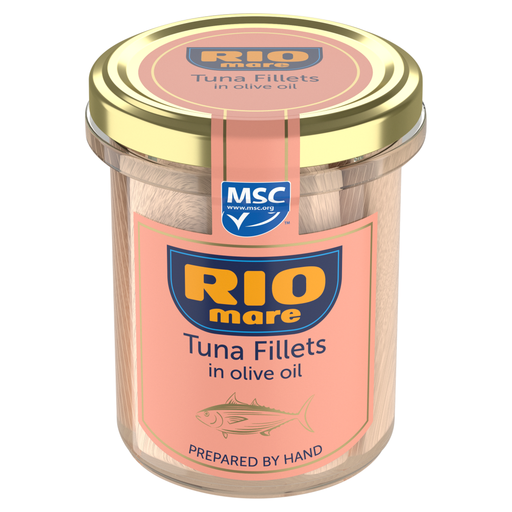
Why This Fits Their Persona: The glass-jar format and tuna fillets in olive oil suit shoppers looking for a serving that can be added directly to salads, grilled vegetables or bread.
The listing provides separate values for whole and drained product, helping you account for the oil rather than overlooking its contribution.
Contains tuna fillets, olive oil and salt; the jar shows the product and includes lid date and origin information.

Why This Fits Their Persona: A two-serving can works for a quick lunch, a shared starter or a cold-evening meal paired with bread or croutons.
The pack states two servings per can and gives nutrition per 100g and per half can, helping prevent accidental under- or over-portioning.
The recipe includes chicken and mushrooms and is made without artificial colours or preservatives, according to the supplied product information.
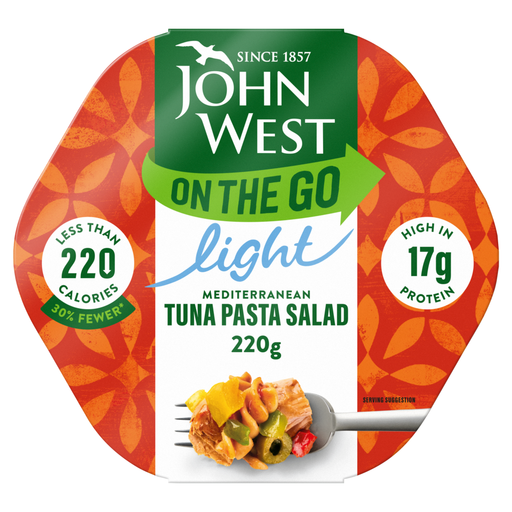
Why This Fits Their Persona: The prepared pasta, tuna and vegetable dish is designed for a convenient lunch when there is little time or equipment available.
The pack size and per-pack nutrition are stated clearly, including 17g protein and 216 kcal per 220g pack in the supplied information.
Includes pasta, tuna, tomatoes, peppers, onions and olives; it can be stirred and eaten directly from the dish.
We have compiled a complete, real-time list of products that fully satisfy these strict selection criteria and UK safety regulations.
A few complementary cupboard choices can create more quick meal solutions:
Unopened tinned food is generally intended for long-term cupboard storage until its printed best-before date, provided the can remains intact and is stored in a cool, dry place. The date and instructions on the specific packaging take priority. Dispose of tins that are swollen, leaking or badly damaged.
It depends on how you plan to use it. Tuna in brine usually has little added fat but still contains salt. Tuna in olive oil or sunflower oil can provide a softer texture and added flavour, although the oil affects energy and fat values. Compare nutrition per 100g drained product where available.
Yes, if handled correctly. Transfer leftovers to a covered, suitable container, refrigerate promptly and follow the label guidance. Many products advise consuming them within two days; some specify a shorter period. Reheat soup until piping hot and avoid repeatedly reheating the same portion.