
24/7 Customer Support

Free returns

Same-day & Next-day Delivery

Quality Guaranteed

Unlock Your Welcome Offers: FREE Delivery | Up to 80% OFF | Free 30-day JoyPlus trial
Download the APP
A well-stocked pantry is the foundation of a smart kitchen, and tinned and canned food are its cornerstones. From quick weeknight meals to reliable recipe bases, these store cupboard essentials offer convenience and a long shelf life. However, not all canned goods are created equal. Navigating the aisles, whether physical or virtual, can be tricky. To help you make sound choices, we're highlighting the common pitfalls to avoid when stocking up on your pantry staples.
One of the most frequent traps is the "healthy halo" label. A can of fruit might be advertised as "one of your 5 a day," but if it's swimming in heavy syrup, you're also getting a significant amount of added sugar. Similarly, a "reduced salt" product might still contain a surprisingly high sodium level compared to its no-salt-added counterparts.
Another issue is the false economy of bulk buying. Purchasing a large case of a specific tinned soup or canned fish seems like a great deal, but if it’s an item your family rarely eats or has a shorter-than-expected 'best before' date, it can lead to waste rather than savings.
Finally, never overlook the physical condition of the can itself. While a minor dent on the body of a can is often harmless, dents on the seams, a bulging lid or any sign of rust are red flags. These can indicate a breach in the seal, potentially allowing harmful bacteria to grow.
To ensure you're getting quality and value, focus on a few key details beyond the front-of-can marketing.
The true story of any tinned food is on the back of the label. For canned fruit, look for options packed in juice rather than syrup to control sugar intake. When choosing tinned meat or canned fish, check the meat or fish percentage. A higher percentage generally indicates better quality and less filler. For canned vegetables, the packing medium is crucial. Those in water are often a better choice than those in brine if you are monitoring your salt consumption. Rinsing vegetables packed in brine can help reduce the sodium content before you use them.
Tinned goods are the definition of long-life food, but it's important to understand the labelling. The 'Best Before' date refers to quality, not safety. The food will be safe to eat after this date, but its flavour, colour or texture might have diminished. To maximise the lifespan of your store cupboard essentials, store them in a cool, dark and dry place. This prevents rust and protects the integrity of the contents, ensuring your pantry staples are ready when you need them.
Instead of a one-size-fits-all approach, we match products to different needs. Here are a few recommendations based on common UK household profiles.
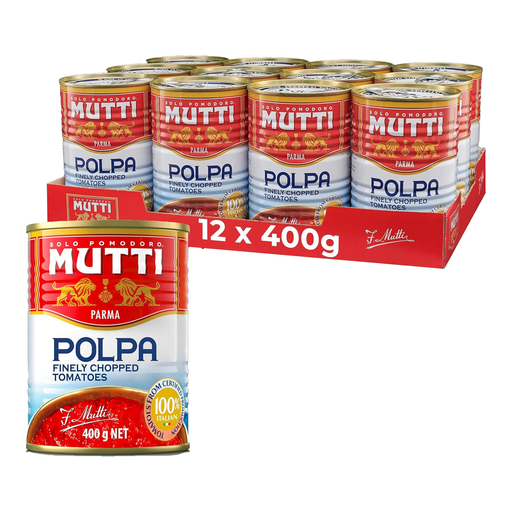
Why This Fits Their Persona: This bulk pack is ideal for families who get through a lot of chopped tomatoes. It provides a consistent, high-quality base for countless quick and easy meals, from pasta sauces and chilli con carne to soups and casseroles.
This is a smart bulk buy, not a false economy. Chopped tomatoes are a high-turnover pantry staple in most family kitchens, so the case is unlikely to go to waste. The simple ingredients list avoids the "healthy halo" trap.
Contains 99.8% tomatoes with just a touch of salt, giving you full control over the final flavour of your dish. The vibrant colour and rich pulp indicate high-quality produce.
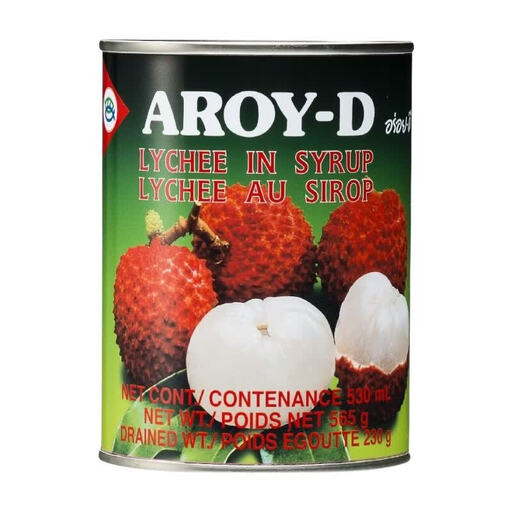
Why This Fits Their Persona: For those who love creating desserts, cocktails or Asian-inspired dishes, these canned lychees offer an exotic flavour that's not always easy to find fresh. They are perfect for elevating a simple fruit salad or creating a signature sweet treat.
The label is transparent: this is a fruit in syrup, which is expected for this type of product. It avoids the trap of misleading health claims by being exactly what it says it is—a sweet, convenient treat.
Provides the authentic taste and tender texture of lychees year-round, without the fiddly process of peeling and de-stoning fresh ones. The 50% fruit content ensures a good ratio of fruit to syrup.
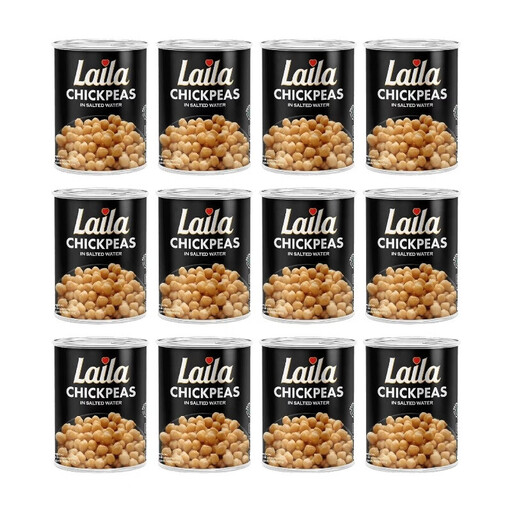
Why This Fits Their Persona: This bulk buy offers fantastic value for a nutritious and incredibly versatile ingredient. Chickpeas are a cheap source of plant-based protein and fibre, perfect for bulking out curries, making hummus or adding to salads for a filling, low-cost meal.
This is a prime example of a smart bulk buy. Chickpeas are a true store cupboard essential that can be used in dozens of different recipes, ensuring that none of the cans will be left gathering dust. It's a purchase that genuinely saves money.
Ready to use straight from the can with no pre-soaking required, saving valuable time. They are packed in salted water with an antioxidant, keeping the ingredients list simple and the product versatile.
We have compiled a complete, real-time list of products that fully satisfy these strict selection criteria and UK safety regulations.
1. Is it safe to eat food from a dented can? Minor dents in the body of a can are usually not a cause for concern, as long as the dent has not created a sharp point or compromised the seams at the top and bottom. However, you should always discard cans that are bulging, leaking, badly rusted or have deep dents along the seams. These are signs that the seal may be broken, which could lead to contamination. The rule of thumb is: when in doubt, throw it out.
2. How long does tinned food really last after the 'best before' date? The 'best before' date on tinned food indicates the period during which the product will be at its optimal quality. It is not a safety deadline. When stored in a cool, dark and dry place, most canned goods remain safe to eat for several years past their 'best before' date. You might notice a gradual change in texture, colour or flavour over time, but the food should still be safe to consume, provided the can's integrity is intact.
3. Do I need to drain and rinse canned vegetables and beans? Draining and rinsing canned vegetables, beans and pulses that are packed in brine (salted water) is a good practice if you want to reduce your sodium intake. A quick rinse under cold water can wash away a significant portion of the salt. For canned fruit in syrup, draining the liquid will reduce the amount of sugar you consume. Whether you use the liquid or not can also depend on your recipe.