
24/7 Customer Support

Free returns

Same-day & Next-day Delivery

Quality Guaranteed

Unlock Your Welcome Offers: FREE Delivery | Up to 80% OFF | Free 30-day JoyPlus trial
Download the APP
Stocking your pantry with tinned and frozen fruit seems straightforward. It’s a convenient way to ensure you always have ingredients for a quick smoothie, a simple dessert or a healthy snack on hand. Yet, many of us have been disappointed by a tin of mushy peaches or a bag of flavourless frozen berries. The labels can be confusing, and marketing claims often hide the reality of what’s inside.
As a Joybuy Product Recommendation Officer, my role is to help you navigate these choices. We’ll look past the glossy photos on the packaging and focus on what truly matters. Before you fill your basket, let’s uncover the common pitfalls that lead to wasted money and culinary disappointment.
To make sure you’re getting quality and value, focus on these three key parameters. They will empower you to see beyond the marketing and choose the right product for your needs.
The liquid your fruit is preserved in dramatically affects its taste, texture and nutritional profile.
How and where the fruit is processed matters. Frozen fruit is often picked and frozen at peak ripeness, which helps lock in vitamins and flavour. For tinned fruit, the country of origin can be an indicator of quality for certain types. For example, many high-quality Asian tinned fruits like mangoes and lychees are produced in Thailand, where the fruit is grown natively. This often results in a better-tasting, more authentic product. The same applies to ingredients like tropical fruit pulp, where origin is key to flavour.
The perfect product depends entirely on what you plan to do with it.
Based on these practical criteria, here are a few recommendations matched to different household needs.
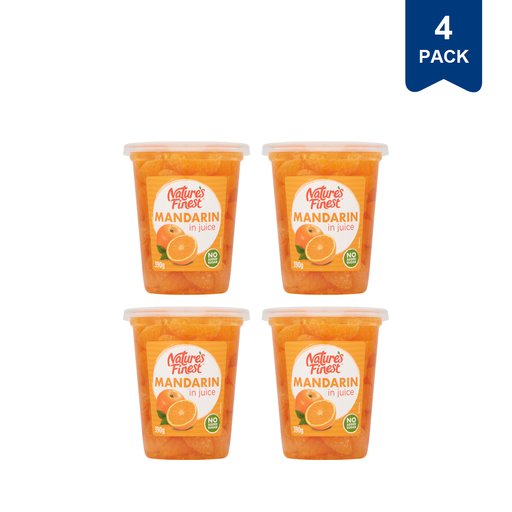
Why This Fits Their Persona: This is ideal for families needing quick, portion-controlled snacks for lunchboxes or after school. The focus on no added sugar and being packed in juice appeals directly to health-conscious parents in the UK.
It directly counters the "hidden sugar" pitfall by explicitly stating it has no added sugar, relying on natural pear juice. The individual pots prevent the "mushy texture" issue that can come from storing a large, opened tin.
Ultimate convenience as a ready to eat fruit snack. It's also rich in Vitamin C and plant-based, making it a simple and reliable choice.

Why This Fits Their Persona: For those exploring Asian tinned fruits for authentic desserts, cocktails or salads, this is a pantry staple. The AROY-D brand is recognised for its consistency, which is crucial when following a specific recipe.
While it is packed in syrup, this is often a desirable feature for the intended recipes. It avoids the "mushy texture" pitfall by using firm, whole lychees that are known to hold their shape well, ensuring an elegant presentation.
Delivers an authentic, fragrant and tropical flavour essential for many Asian desserts. It offers year-round access to a fruit with a very short fresh season.
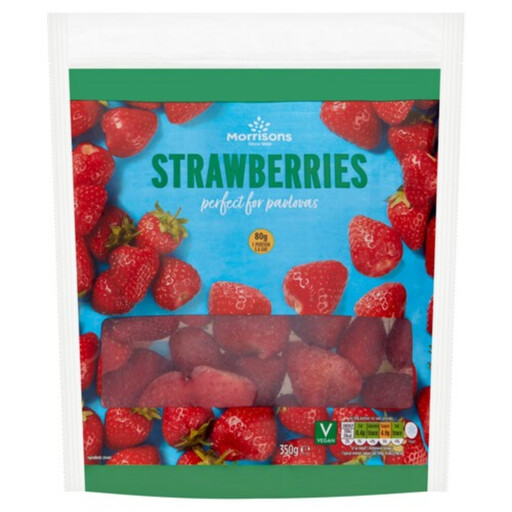
Why This Fits Their Persona: This user needs a reliable, nutritious and flavourful base for daily smoothies or to top porridge. Convenience is paramount, and they want pure fruit without any additives for a clean start to their day.
It completely bypasses the syrup/juice and hidden additives pitfalls by being 100% strawberries. The flash-freezing process preserves the fruit's structure, preventing the "mushy texture" issue and ensuring it blends perfectly.
Provides consistent, year-round quality and nutrition. An 80g serving counts as one of your 5-a-day, making it an easy way to meet daily health goals.
We have compiled a complete, real-time list of products that fully satisfy these strict selection criteria and UK safety regulations.
In many cases, yes. Frozen fruit is typically picked at its peak ripeness and then flash-frozen within hours, a process that locks in vitamins and minerals. Fresh fruit, on the other hand, can lose some of its nutritional value during the time it takes for transport, storage and sitting on a supermarket shelf.
A simple and effective method is to drain the tin thoroughly and then rinse the fruit under cold running water for about 30 seconds. While this won't remove all the absorbed sugar, it can wash away a significant amount of the excess syrup clinging to the fruit's surface.
Dried red dates, or jujubes, are a versatile ingredient, particularly in Asian cooking and wellness traditions. They are used as a natural sweetener in herbal teas, broths and sweet soups (tong sui). They can also be chopped and added to porridge, used in dried fruit for baking or simply enjoyed as a chewy, ready to eat fruit snack.