Lecture-day no-cook lunch packers
If you have no cooking window before class, tinned salmon can go into a sandwich, wrap or salad after opening. Frozen fillets are not a ready-to-eat substitute.


Choose tinned salmon if you need to assemble lunch without cooking before a lecture. Frozen salmon fillets suit a fillet-style lunch only if you can cook them beforehand and keep the cooked lunch appropriately chilled while carrying it; check the exact pack directions before planning around them.
The deciding question is whether the salmon needs to be ready when you pack lunch or whether you can cook it in advance.
If you have no cooking window before class, tinned salmon can go into a sandwich, wrap or salad after opening. Frozen fillets are not a ready-to-eat substitute.
If you have freezer space and want a fillet-style lunch, frozen salmon can fit a plan that includes cooking before lecture day and keeping the cooked meal chilled afterwards. Follow the directions on the fillets you buy.
Look for a tin explicitly labelled skinless and boneless if that format matters to you. Tesco and M&S list such variants, but the description of one tin does not establish what is in another.
For a lecture lunch, settle the no-cook or cook-ahead decision first. Then check the exact pack for portions, preparation directions and the eating format you want.
| Concern | What to check | Who this matters to |
|---|---|---|
| No-cook preparation | Choose a prepared tin if there is no time to cook; check what you will need to assemble lunch after opening it. | If lectures leave me no cooking window, I need salmon I can add to lunch straight from a tin. About 36% of consumers would put no-cook preparation first. |
| Cooking ahead | Check freezer space, the fillets’ cooking directions and how you will keep the cooked lunch chilled. | I can cook before lecture day and would rather pack a fillet than canned salmon. For about 29% of consumers, planning and preparing that meal would be the main concern. |
| Portions and leftovers | Check the amount you will use for lunch and the tin’s directions for storing any remainder. | If I only need salmon for one lunch, an opened remainder needs a place in my plans. Managing portions would come first for about 21% of consumers. |
| Texture and labelling | Look for an explicit skinless-and-boneless description and check the fish-allergen information. Someone with a fish allergy should avoid salmon. | For a short lunch break, I may want a tin that is clearly labelled for the texture I prefer. About 14% of consumers would make texture or label certainty their primary concern. |
Frozen salmon can work for a planned lunch, but it needs cooking. Sainsbury’s directions for its 360g salmon fillets say to check that the food is piping hot after cooking.
Choose a tin for a lunch assembled without cooking, or set aside time to cook the fillets and arrange chilled transport for the finished meal.
The cook-ahead route adds preparation time and a chilled-carrying requirement.
Skinless and boneless is an explicitly identified variant in Tesco and M&S listings, not a feature to assume from the words “red salmon”.
If skin or bones would make lunch awkward, check the description on the exact tin before choosing it.
A tin and a frozen fillet pack serve different preparation plans, and an opened tin may leave salmon to store. Tesco Groceries lists tins and frozen fillets in different pack sizes.
Check how much you will use for lunch and follow the chosen tin’s directions for any unused contents.
Salmon contains fish, an allergen. Tesco Groceries’ listing for John West Red Salmon 213g also gives specific instructions for unused contents after opening.
Check the individual product label. For that John West tin, transfer unused contents to a covered non-metallic container, refrigerate and use within two days.
These examples show the product formats and label details worth comparing; they do not make every product from a brand suitable for the same lunch plan.
The Red Salmon 213g tin listed by Tesco Groceries is an option for a lunch assembled without cooking.
Princes presents its Wild Pacific Red Salmon as a tinned option for sandwiches and other salmon meals.
Tesco Groceries lists both tinned wild Pacific red salmon and frozen wild salmon fillets, covering the no-cook and cook-ahead choices.
The listed Salmon Fillets 360g are relevant to a lunch cooked before lecture day.
M&S lists Wild Alaskan Red Salmon in a skinless-and-boneless format for buyers who want that stated texture.
These Joybuy selections include two tinned pink salmon listings for a lunch assembled without cooking and wild sockeye salmon fillet steaks for a meal cooked in advance. Choose between those plans before comparing the packs.
 No image available
This tinned pink salmon listing suits a lunch assembled without cooking the salmon. It is labelled 213g (4 packs); check the individual pack details to confirm how the weight and portions are presented. If skin or bones matter to you, check the exact label. Contains fish.
 No image available
This tinned pink salmon listing is relevant when you want to assemble lunch without cooking the salmon. The title states 213g; confirm the pack count before ordering and check the exact label if you need a skinless-and-boneless tin. Contains fish.
 No image available
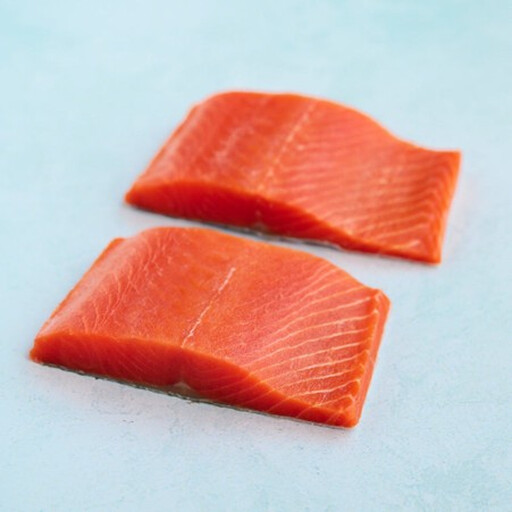
These fillet steaks suit a lunch you can prepare before lecture day, not one that needs salmon ready to eat straight from the pack. The listing identifies wild sockeye salmon fillet steaks in a 220g pack. Follow the exact pack directions for thawing and cooking, and plan how to keep the cooked lunch chilled while carrying it. Contains fish.
Take tinned salmon if you need to assemble lunch without cooking the salmon. Frozen fillets suit a lunch cooked beforehand, provided you can follow their pack directions and keep the cooked meal appropriately chilled while carrying it.
Sainsbury’s says its Salmon Fillets 360g can be oven-cooked from frozen; its directions also allow defrosting overnight in a refrigerator before cooking. Follow the instructions on the exact fillets you buy rather than applying those directions to another product.
For John West Red Salmon 213g, Tesco Groceries says to transfer unused contents to a covered non-metallic container, refrigerate them and use them within two days. Check your own tin for its product-specific directions.
No. Fish is an allergen, and the John West Red Salmon listing declares fish. Anyone with a fish allergy should avoid salmon and check the ingredients and allergen information on the exact product.