Cold-buffet planners short on preparation time
If the tuna is going into sandwiches, wraps, salads or dips, a ready-to-eat tinned format avoids cooking. A pack explicitly labelled no-drain also removes the draining step.


Choose tinned tuna for cold buffet fillings, salads and dips that need no cooking. Choose frozen tuna steaks if you plan to store, defrost and cook the fish before serving. Among tinned options, chunks suit mixed dishes, no-drain packs simplify assembly, and steaks or fillets suit plates where you want more distinct pieces.
If the tuna is going into sandwiches, wraps, salads or dips, a ready-to-eat tinned format avoids cooking. A pack explicitly labelled no-drain also removes the draining step.
If appearance matters to the dish, compare tinned steaks or fillets for a cold plate with frozen steaks for a dish you intend to cook. They are different preparation routes, even though both may be called tuna steaks.
When buying several tins or serving guests with allergies, compare packing liquid, salt, drained weight where shown and the fish allergen declaration. Read each pack’s instructions for unused contents after opening.
For a Boxing Day buffet, settle the serving plan before choosing a tuna format: mixed and cold, cold with distinct pieces, or cooked.
| Concern | What to check | Who this matters to |
|---|---|---|
| Cold serving and handling | Check whether the tin is labelled no-drain and whether its chunks suit the filling or salad. | If I am assembling sandwiches and salads shortly before guests arrive, I want tuna I can use without cooking or handling much packing liquid. About 42% of consumers put quick, low-mess cold assembly first. |
| Presentation or cooking | Choose tinned steaks or fillets for ready-to-eat pieces; choose frozen steaks only with a storage and cooking plan. | For an arranged cold plate, I want distinct pieces; for a cooked dish, I need fish suited to that preparation instead. A more defined presentation or a cooked dish is the main priority for about 33% of consumers. |
| Ingredients and usable quantity | Read the packing medium, salt, allergen declaration, drained weight where shown and post-opening instructions. | When I am serving several guests, I need to know what is in each pack, how much tuna I can use and what to do with leftovers. Those pack and serving checks come first for about 25% of consumers. |
Tesco lists tinned tuna in its food-cupboard range and frozen yellowfin steaks in frozen fish. Frozen steaks require a different storage and preparation plan from a cold tinned-tuna filling.
Decide whether the fish will be mixed cold, served cold in pieces or cooked before choosing the format.
Oil, brine or spring water can contribute to the stated pack weight. The amount of tuna available after draining matters when planning several dishes.
Check drained weight where the pack provides it, and choose chunks, steaks or fillets to match the recipe.
John West describes its No Drain range as usable without draining, while other tinned formats may need that step.
Look for an explicit no-drain label if avoiding liquid handling matters; otherwise allow for draining during preparation.
Storage instructions change once a pack is opened. Asda’s listing for a John West No Drain multipack says to refrigerate unused contents and consume them within two days; another product’s label may differ.
Check the pack you serve, keep its label available for allergen information and follow its instructions for leftovers.
Its No Drain tinned tuna range is relevant when quick cold-buffet assembly and less liquid handling matter.
Its tinned-tuna range includes chunks and a drained format for cold dishes.
Its grocery categories distinguish food-cupboard tinned tuna from frozen yellowfin tuna steaks.
Its tinned-fish range includes tuna chunks and steaks for different cold-dish presentations.
Its grocery listings can help shoppers inspect ingredients, allergens and storage directions for a specific tuna pack.
These selections cover tinned chunks for cold buffet dishes, tinned steaks for more distinct pieces and frozen steaks for a dish you plan to cook.
 Image unavailable
Consider this pack for cold fillings when you want to skip draining. The three 100g tins let you open packs as needed; check the label for storage instructions once opened.
 Image unavailable
Consider tinned steaks when the cold dish calls for more distinct pieces rather than tuna mixed through a filling. This variant is packed in sunflower oil; check that the oil suits the planned dish.
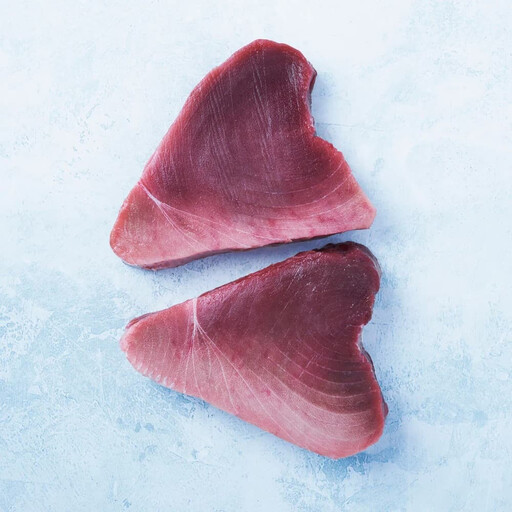 Image unavailable
Choose this frozen option only for a buffet dish you plan to prepare and cook. The pack contains two steaks with a stated total weight of 260g; plan freezer space and follow the pack’s thawing and cooking directions.
 Image unavailable
Consider these chunks for sandwiches or salads in which the tuna will be mixed with other ingredients. The pack contains four 145g tins in brine; allow for draining and check drained weight when planning portions.
 Image unavailable
Consider this six-pack when preparing several cold dishes with tuna chunks. Each tin is labelled 145g and packed in spring water; check the pack for draining directions and usable quantity before planning portions.
Not as a ready-to-eat swap. Tinned tuna suits cold fillings, salads and dips; frozen steaks need a storage, thawing and cooking plan. Tesco lists the two formats in separate food-cupboard and frozen-fish categories.
Follow that pack’s post-opening instructions. Asda’s John West No Drain multipack listing says to refrigerate unused contents and consume them within two days; check the timing on other products rather than applying it to every tin.
Tuna is fish, so check each product’s allergen declaration, keep its label available and avoid cross-contact while preparing shared buffet dishes. Asda’s John West No Drain listing identifies fish as an allergen.