
24/7 Customer Support

Free returns

Same-day & Next-day Delivery

Quality Guaranteed

Unlock Your Welcome Offers: FREE Delivery | Up to 80% OFF | Free 30-day JoyPlus trial
Download the APP
Keeping a reliable supply of tinned and frozen vegetables can make weekday cooking simpler, reduce food waste and help you prepare meals without repeated trips to the supermarket. From tinned vegetables and mixed beans to frozen peas, frozen okra and Asian cooking ingredients, the right combination can support quick family dinners, batch cooking and meat-free recipes.
However, product labels can make comparison difficult. Large pack sizes do not always offer good value, and phrases such as “freshly preserved” or “nutrient-rich” may not tell you how suitable an item is for your kitchen. Use the checks below before filling your cupboard or freezer.
A 400g tin includes water or brine, so the amount you can actually eat is lower. Compare the drained weight, particularly when choosing chickpeas, kidney beans, tinned sweetcorn, tinned mushrooms or water chestnuts. A larger-looking tin may not provide more usable food.
Some tinned vegetables are ready to use after draining and rinsing. Others need heating. Frozen products generally require cooking from frozen, while vacuum-packed ingredients such as bamboo shoots may need draining, rinsing and thorough cooking. Always follow the preparation instructions on the packaging.
Tinned products are convenient healthy pantry staples, but opened contents should not usually remain in the can. Transfer them to a non-metallic, covered container and refrigerate according to the label. Also check allergens: beansprouts may contain sulphites, and some bean products may contain or be made in facilities handling soy.
For simple everyday ingredients, a short ingredient list can make meal planning easier. Examples include:
Compare salt, sugar, fibre and protein per 100g, rather than relying only on front-of-pack language. For example, the supplied nutritional information for Cooks & Co 5 Bean Mix gives 7.9g of fibre and 6.9g of protein per 100g drained. Values can differ between brands and recipes, so read the current pack label before purchase.
Tinned vegetables are useful for cupboard storage and recipes such as chilli, curries, soups, pasta sauces and salads. They are particularly practical when you have limited freezer space or want ingredients available without defrosting.
Frozen vegetables suit households that cook vegetables regularly. Frozen peas, mixed vegetables and frozen okra can be portioned as required and returned to the freezer, provided they remain frozen and the packaging instructions permit it. Do not refreeze food after it has thawed.
Frozen products may also preserve a firmer texture for certain dishes. Birds Eye Steamfresh 4 Family Favourite Mix Steam Bags, for example, combines carrots, broccoli and sweetcorn in steam bags designed for quick preparation. Follow the stated cooking time and handle the hot bag carefully.
A large bag is sensible when an ingredient appears frequently in your meals. Taj Family Cut Okra 1Kg may suit households regularly preparing bhindi masala, okra curry or stir-fries. A smaller pack may be more appropriate for occasional use, especially with speciality ingredients.
For Asian cooking ingredients, consider how quickly you will use the product after opening. Tinned water chestnuts, bamboo shoots, lotus root and beansprouts can add texture to stir-fries, soups, hot pot and noodle dishes, but their refrigerated life after opening is limited. Buy according to your likely usage rather than selecting the largest pack automatically.
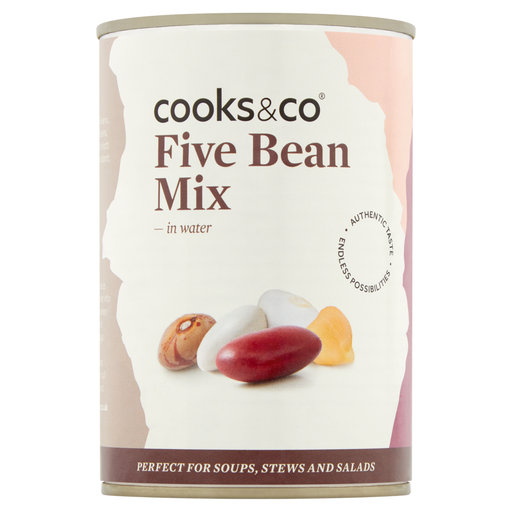
Why This Fits Their Persona: A single tin combines five types of beans for salads, soups, stews and meat-free meals without buying several separate tins.
The ingredient list and drained nutrition panel make it easier to assess what you are buying, rather than judging only by the 400g headline weight.
Five-bean combination; 7.9g fibre per 100g drained according to the supplied information; suitable for vegetarians.
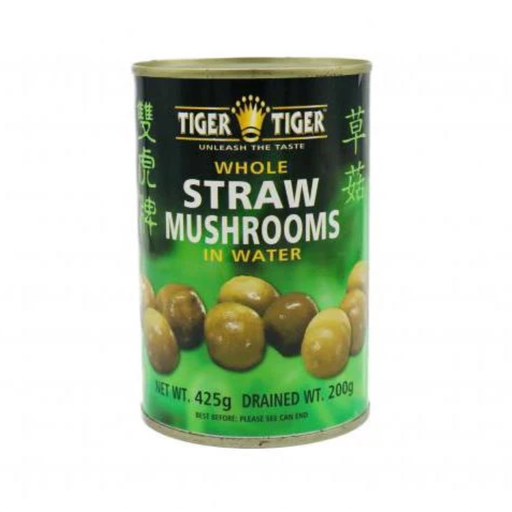
Why This Fits Their Persona: Suitable for cooks who want a specific mushroom texture for Chinese, Thai, Vietnamese or other Asian-style dishes.
The product states that straw mushrooms make up 47% of the ingredients, so shoppers can assess the recipe rather than assuming the tin contains only mushrooms.
Whole straw mushrooms in water; ready to drain, rinse and heat for around 3–5 minutes.
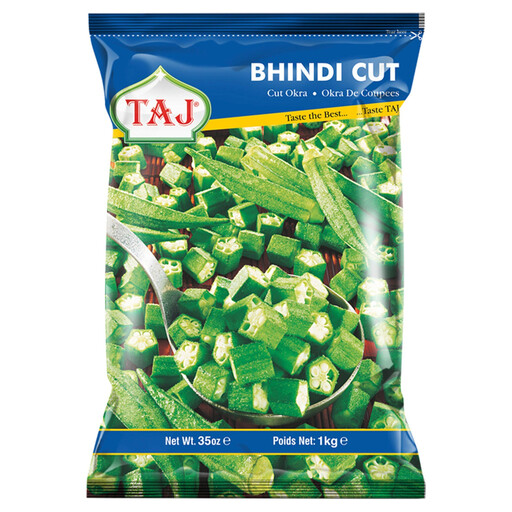
Why This Fits Their Persona: A practical freezer choice for households that regularly cook bhindi, curries, gravies or vegetable stir-fries.
It is already washed, trimmed and cut, avoiding the preparation waste and time often associated with fresh okra.
1kg frozen pack; cut format; suitable for vegans and vegetarians; cooks directly from frozen.
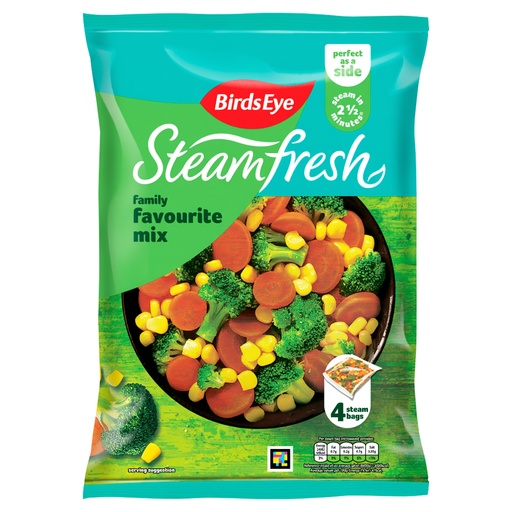
Why This Fits Their Persona: Useful for quick evening sides when different vegetables are needed without washing, peeling or chopping.
The vegetable combination is clearly stated, while the steam-bag format gives a defined preparation method instead of vague convenience claims.
540g pack; carrots, broccoli and sweetcorn; steam-bag preparation stated as approximately 2½ minutes; suitable for vegans.
We have compiled a complete, real-time list of products that fully satisfy these strict selection criteria and UK safety regulations.
Many are, but suitability depends on the ingredients and preparation method. Plain frozen peas, frozen okra, spinach, beans and several tinned vegetables are commonly suitable for vegan or vegetarian diets. Check the packaging for milk, fish, animal-derived additives and allergen statements.
The answer depends on pack size, drained weight, storage space and how much you use. Tinned vegetables often provide convenient cupboard storage, while frozen vegetables can reduce preparation waste and allow you to use only the portion required. Compare the price per 100g of usable product where available.
Follow the product label. Supplied examples recommend refrigerating opened contents and using them within two or three days, although gherkins may have a longer stated period. Transfer food from the opened tin to a non-metallic, covered container and discard it if its smell, appearance or texture changes.