
24/7 Customer Support

Free returns

Same-day & Next-day Delivery

Quality Guaranteed

Unlock Your Welcome Offers: FREE Delivery | Up to 80% OFF | Free 30-day JoyPlus trial
Download the APP
Tinned and frozen vegetables can make weekday cooking simpler, but the label does not always tell the whole story at first glance. A low shelf price may hide a small drained weight, while a large pack may not suit a household with limited freezer space. Some products are ready to eat, whereas others must be thoroughly cooked before serving.
This guide explains the main buying pitfalls, the specifications worth checking and which formats may suit different UK households, from busy families to vegetarian and vegan shoppers.
A can may display its total weight, including water or sauce. The drained weight is more useful when comparing sweetcorn, chickpeas, tinned beans and other tinned vegetables. For example, a can containing plenty of brine may provide less usable food than a similarly sized product with a higher drained weight.
For frozen vegetables, check the net weight and consider how many meals the pack can provide. A larger bag may offer better value for frequent users, but occasional cooks may experience freezer burn or reduced quality if it remains open for too long.
Tinned beans, baked beans and some bean sprouts are heat-processed and can generally be eaten after draining, although heating may improve flavour and texture. By contrast, frozen peas, frozen okra and frozen edamame usually require cooking according to the packaging instructions.
Vacuum-packed bamboo shoots may also require draining, rinsing and cooking. Do not treat every preserved vegetable as a salad ingredient without checking its usage instructions.
Sauces and brines can change the nutritional profile considerably. Compare salt, sugars and fibre per 100g, rather than relying only on front-of-pack descriptions. Baked beans commonly contain tomato sauce, sugar and salt, while plain tinned beans may have a shorter ingredient list.
Allergens also matter. Edamame is a soybean product, and tinned bean sprouts may contain sulphites. Read the ingredients and allergen statement every time, particularly when buying for children, guests or anyone with a known sensitivity.
Choose based on how you cook:
Use the drained weight to estimate how much food will reach the plate. A 400g can of beans may provide roughly two servings, depending on the recipe and household appetite. Multipacks of baked beans can reduce the need for frequent shopping, while smaller cans may help reduce leftovers.
For a practical comparison, look for:
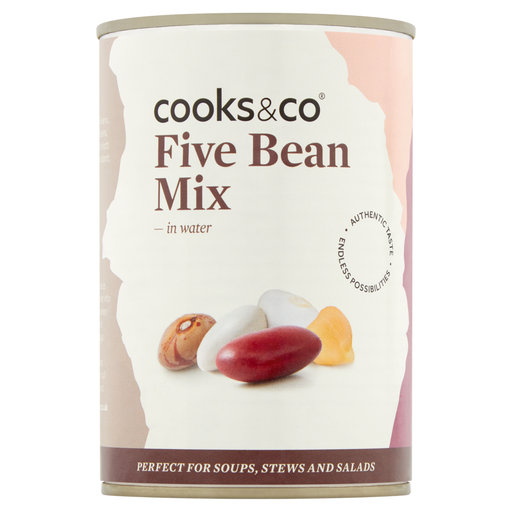
Why This Fits Their Persona: A single can combines white beans, chickpeas, lima beans, kidney beans and borlotti beans, helping new cooks build soups, salads and stews without buying several separate tins.
The 400g format makes the usable quantity clear, while the ingredient list identifies the five bean varieties rather than relying on vague “mixed beans” wording.
Provides 7.9g fibre and 6.9g protein per 100g drained; certified by the Vegetarian Society according to the supplied product information.
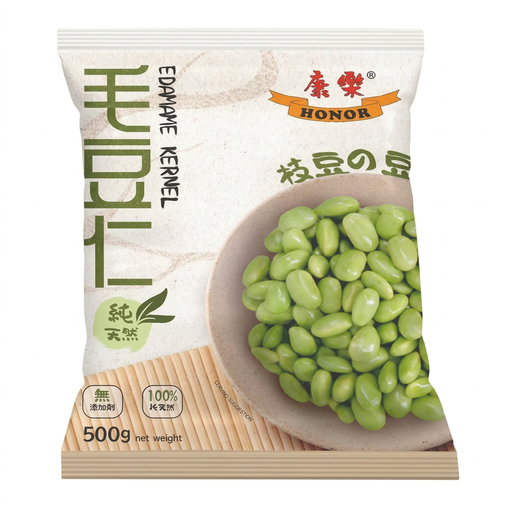
Why This Fits Their Persona: Shelled edamame suits shoppers looking for a freezer ingredient for salads, rice bowls, stir-fries and plant-based side dishes.
The product is shelled, so preparation does not involve removing pods. Soy is clearly identified as an allergen and the pack must remain frozen below -18°C.
Contains one listed ingredient, soybean (edamame), and offers a ready-to-use frozen format for portioning into several meals.
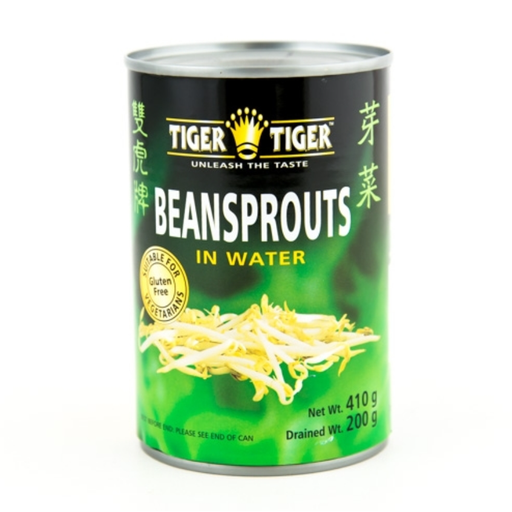
Why This Fits Their Persona: A practical choice for households that regularly cook noodle dishes, stir-fries, soups, wraps and South-East Asian recipes.
The instructions state that it is ready to eat, but draining and rinsing are advised. Sulphites are clearly declared for shoppers who need to avoid them.
At approximately 24 kcal per 100g, it adds crisp texture with minimal preparation; add it near the end of cooking to retain texture.
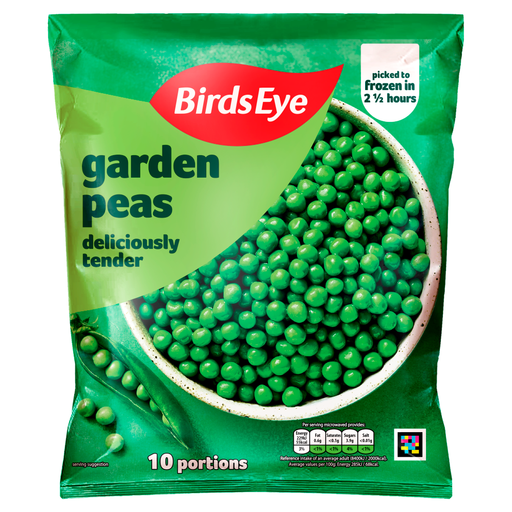
Why This Fits Their Persona: The 800g freezer pack suits families and frequent home cooks who add peas to shepherd’s pie, pasta, soups, rice dishes and Sunday meals.
The ingredient list contains garden peas only. The pack also provides clear cooking directions and states not to eat the peas raw or defrosted.
Provides 4.9g protein per 100g and can be cooked from frozen in a pan or microwave, reducing preparation steps.
We have compiled a complete, real-time list of products that fully satisfy these strict selection criteria and UK safety regulations.
For Mexican and Indian cooking, plain kidney beans, chickpeas and baked beans can cover several meal types. Cooks & Co Red Kidney Beans and Morrisons Chickpeas In Water are suitable for chilli, curries, hummus and salads. KTC Red Kidney Beans provide a simple water-and-salt format.
For Asian vegetables, compare bean sprouts, bamboo shoots and frozen okra. Surya Sliced Okra is designed to cook from frozen, while Chang Bamboo Shoot Tip Vacuum requires draining, rinsing and cooking. D’Aucy Sweetcorn and frozen sweetcorn offer different storage options for salads, fritters and side dishes.
Not necessarily. Nutrition varies by vegetable, processing method, storage and preparation. Compare the product label, especially salt and added ingredients. Frozen vegetables can be convenient because they are stored without brine, while tinned products offer room-temperature storage before opening.
Follow the individual label. The supplied products commonly advise transferring leftovers to a non-metallic, airtight container, refrigerating them and consuming them within two to three days. Do not store opened food in the original metal can.
Some frozen vegetables can be prepared in an air fryer, but the package instructions should take priority. Ensure the food is cooked thoroughly and piping hot throughout. Frozen peas, okra and sweetcorn may need different times depending on quantity and appliance temperature.