Choose tinned fruit for a shared dessert only after checking the current pack’s ingredients and any precautionary allergen statement against the specific allergy. Fruit in juice, a short ingredient list and a familiar brand do not establish suitability on their own. Once the label is acceptable, choose a pack size that fits the servings and any leftovers, and use clean, separate equipment where cross-contact is a concern.
Who is this for?
Hosts serving a guest with a food allergy
The first decision is whether the exact current pack’s ingredients and precautionary information fit the guest’s specific allergy. Food Standards Agency guidance distinguishes ingredients from warnings about possible accidental allergen cross-contact.
Shoppers comparing fruit bases
If the fruit will go into a shared pudding, compare the exact ingredients and packing liquid before choosing toppings. Sainsbury’s peach slices and Princes pineapple chunks provide examples with published ingredient lists, not blanket allergy clearance.
Planners managing portions and leftovers
A larger tin may fit a dessert for several people; a smaller tin or individually managed portion may be easier when the group will not finish it. Check the servings and opened-pack instructions for the product you choose.
What matters when choosing?
Check allergy compatibility before comparing fruit, packing liquid or tin size. The groups below reflect consumers’ different primary priorities when planning a shared dessert.
| Concern | What to check | Who this matters to |
|---|
| Allergen information |
Read the current pack’s ingredients and any precautionary allergen statement against the named allergy. |
If a guest has a food allergy, I need to establish whether this exact pack is suitable before planning the dessert. About 50% of consumers put that label check first. |
| Fruit and ingredients |
Compare the fruit, packing liquid and full ingredient list; check toppings separately. |
Once the allergy check is settled, I want a fruit base whose ingredients I can compare with the rest of the recipe. That is the main priority for about 30% of consumers. |
| Servings and sharing |
Check listed servings and opened-pack instructions; plan clean, separate serving equipment where needed. |
For a small group or a separately managed portion, I want enough fruit without awkward leftovers or a shared spoon. Around 20% of consumers place serving arrangements first. |
Mistakes to avoid
-
Assuming fruit in juice is allergy-safe
A short ingredient list does not answer every question about the specific allergy or possible cross-contact. Sainsbury’s also advises checking packaging because product information can change.
Read the physical pack’s ingredients and any precautionary statement each time, including after a recipe or packaging change.
-
Checking the tin but not the serving equipment
Shared utensils or unchecked toppings can introduce an allergen after the fruit has been selected. The Food Standards Agency identifies separation and clean equipment as cross-contamination controls.
Use clean, separate utensils and check any toppings before adding them to an allergy-managed portion.
-
Opening more fruit than the dessert needs
Sainsbury’s lists its 411 g peach tin as two servings and instructs shoppers to transfer opened contents to a non-metallic container, refrigerate them and use them within one day.
Compare the pack’s servings and storage instructions with the number of people eating; consider a smaller format if a larger tin would remain open.
Fruit left beyond the pack’s stated opened-storage period may go unused.
-
Overlooking stones in peach slices
Sainsbury’s warns on its peach listing that some stones may remain despite removal efforts.
Inspect the fruit before adding it to a shared dessert, particularly if it will be blended.
Brands to consider for tinned fruit
Sainsbury’s
Sainsbury’s lists peach slices in fruit juice in 411 g and 213 g formats.
- Its listings give ingredients and identify the 411 g tin as two servings and the 213 g tin as one.
- Sainsbury’s advises checking the physical packaging because ingredients and product information can change.
Princes
Princes lists Pineapple Chunks in Juice in 432 g and 227 g sizes.
- The manufacturer lists pineapple, pineapple juice and citric acid for this product.
- That ingredient list is not a free-from claim; check the current pack against the specific allergy.
Del Monte
Sainsbury’s lists Del Monte peaches, pears, mandarins, pineapple and fruit cocktail among its tinned-fruit products.
- The listed range offers different fruits and juice or syrup formats for different desserts.
- Check the ingredients and allergen information of the exact product rather than applying one product’s details to the whole range.
Tesco
Tesco’s tinned-fruit category includes tins and multipack fruit pots.
- The different formats give shoppers a way to compare a shared tin with smaller portions.
- A category listing cannot establish the ingredients or allergy suitability of a particular pack.
M&S
M&S lists 540 g grapefruit segments and 560 g rhubarb chunks in its tinned-fruit range.
- Those pack sizes are options to compare when planning a group dessert.
- Check the exact pack’s ingredients and allergen information before using either product for an allergy-managed dessert.
Tinned fruit selections on Joybuy
These tins offer mixed fruit, single-fruit choices and juice or light-syrup formats for desserts. None should be treated as suitable for a particular food allergy without checking its current pack.
 No image available
Del Monte Fruit Cocktail in Juice 415g
A mixed-fruit option when the dessert calls for fruit cocktail. Compare the current pack’s ingredients and precautionary information with the guest’s allergy, and check how much the group needs.
 No image available
Princes Pineapple Chunks With Juice 432g
Consider this pineapple option when planning a shared fruit dessert. Princes lists pineapple, pineapple juice and citric acid for its Pineapple Chunks in Juice; confirm the current pack’s allergy information before serving.
 No image available
Del Monte Pear Halves in Juice 415G
Pear halves offer a single-fruit base if that suits the dessert. Check the current label for the specific allergy and decide whether a 415 g tin fits the planned portions.
 No image available
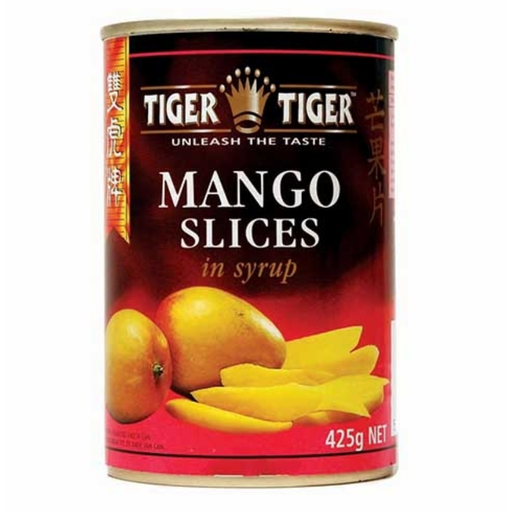
Tiger Tiger Mango Slices in Light Syrup 425g
Choose a mango-and-light-syrup format if it fits the recipe, rather than treating syrup or juice as an allergy signal. Screen the physical pack and plan portions before opening the 425 g tin.
 No image available
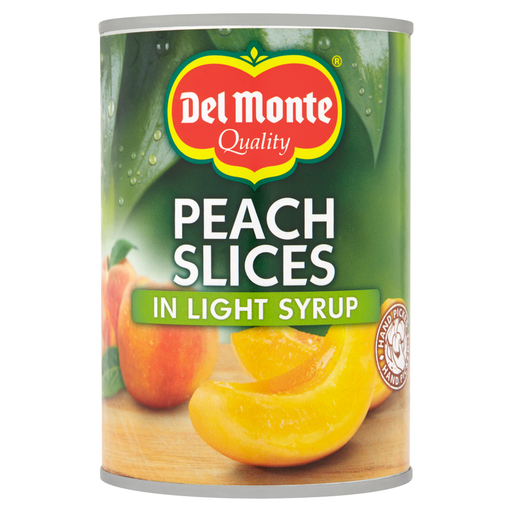
Del Monte Peach Slices in Light Syrup 420g
Peach slices in light syrup suit a recipe calling for that fruit and packing liquid. Use the current pack to check ingredients and precautionary information, then compare the fruit quantity needed with the 420 g tin.
Questions about sharing tinned fruit
Is tinned fruit suitable if the ingredients list names no allergen?
Not automatically. Compare the current ingredients and any precautionary allergen statement with the person’s specific allergy. UK government guidance describes precautionary wording as a warning about potential accidental allergen cross-contamination.
How should I serve tinned fruit in a shared dessert?
Use clean equipment and keep an allergy-managed portion separate from unchecked toppings and shared utensils where needed. The Food Standards Agency identifies separation and cleaning as cross-contamination controls; also follow the opened-pack storage directions on the chosen tin.
What tin size works for a small shared dessert?
Start with the product’s listed servings and the number of people eating. Sainsbury’s lists its 411 g peach slices as two servings and its 213 g version as one; a smaller tin may be easier for a separate portion, while the larger one may fit a dessert that will be eaten promptly.
Is fruit in juice safer for allergies than fruit in syrup?
Neither packing liquid establishes allergy suitability. Check the exact pack’s ingredients and precautionary information first, then choose juice or syrup according to the recipe and that product’s details.
Where are allergens shown on prepacked food labels?
The Food Standards Agency says the 14 regulated allergens must be emphasised in the ingredients list of prepacked food or drink. Read that list for deliberately added ingredients and check any separate precautionary statement for a warning relevant to the allergy.


