Who this matters to

Households checking allergen labels

When buying for someone with a food allergy or a clinically advised avoidance diet, compare each current pack’s ingredients and precautionary wording with that person’s requirements. The Food Standards Agency distinguishes declared regulated allergens from warnings about possible unintended presence.

Storecupboard shoppers comparing ingredients

A single fruit in juice or water offers a practical starting point if you want fewer ingredients to compare. Read the complete label before moving to mixed fruit, syrup-packed products or thickened fillings; a short list is not an allergen-free claim.

Families buying fruit for baking and desserts

Choose a texture and packing medium that work for the planned recipe, then make the same allergy checks. A prepared filling serves a different purpose from plain fruit in juice, and its instructions after opening also matter when planning portions.

What to check when buying

For food-allergy shopping, assess the exact pack against the person’s allergy requirements before comparing fruit type, recipe fit or portion size.

ConcernBuying checkWho this matters to
Allergen information Read the current ingredients list, emphasised allergens and any precautionary statement, including ‘may contain’ wording. When buying for someone with a food allergy, I need to check declared ingredients and possible cross-contact before choosing a tin. About 36% of consumers put this label check first.
Ingredient simplicity Compare the full lists on exact packs; a single fruit in juice or water may be a useful starting point. If several storecupboard options look similar, I want a formulation I can compare ingredient by ingredient. Roughly 29% of consumers prioritise that simpler comparison.
Recipe fit Check whether the pack contains plain fruit, a cocktail, fruit in syrup or a thickened filling. For a crumble or dessert, I need the fruit’s texture and packing medium to work in the recipe as well as pass the label check. About 21% of consumers put format fit first.
Leftovers and physical warnings Check pack size, instructions after opening and any warning about pips or stones. When a tin will be used over more than one serving, I need to know how to store the remainder and whether the fruit needs checking before serving. Around 14% of consumers primarily focus on these practical details.

Common buying mistakes

  • Relying on an old listing or a previous purchase

    Ingredients and allergy information can change. Tesco, ASDA and M&S each advise shoppers to check product information rather than assume an earlier version still applies.

    Use a listing to narrow your options, then read the physical pack at purchase and before serving.

  • Taking a short ingredient list as an allergen-free promise

    A short list can be easier to assess, but the Food Standards Agency treats declared ingredients and precautionary warnings about possible cross-contact as distinct information.

    Check the whole current label against the individual allergy requirements, even for fruit packed in juice.

  • Substituting a filling for plain fruit

    The Princes Summer Fruits Filling described by ASDA contains sugar and modified maize starch. Its thickened format is different from plain fruit in juice.

    Choose the format the recipe calls for, then assess the exact product’s ingredients and allergen wording.

  • Overlooking instructions after opening

    Storage directions vary by product. Some fruit products also warn that pips, fragments or stones may remain; that is a separate check from allergen labelling.

    Check the pack’s refrigeration and use instructions, and look for physical-fruit warnings before serving or adding the fruit to a recipe.

    A pack too large to use within its labelled period can leave unwanted leftovers.

Brands to consider

Del Monte

Del Monte appears in UK supermarket tinned-fruit ranges with both single-fruit products and fruit cocktail.

  • Tesco’s Del Monte fruit-cocktail listing provides an ingredient list that shoppers can compare with their requirements.
  • Tesco cautions that ingredients and allergen information can change; check the current pack rather than relying on the listing.

Princes

Princes has fruit fillings and toppings for baking as well as tinned pineapple in the ranges covered here.

  • The Summer Fruits Filling listed by ASDA is a thickened option for recipes that call for a fruit filling.
  • That filling contains sugar and modified maize starch and carries a cherry-stone warning; do not treat it as plain fruit in juice.

Sainsbury's

Sainsbury’s lists own-label tinned fruits including peaches, mandarins, pears and grapefruit segments.

  • Different fruit types and packing media give shoppers options to compare for the intended meal.
  • A category listing cannot establish whether an individual pack meets someone’s allergy requirements.

Asda

ASDA lists own-label grapefruit segments alongside branded tinned-fruit products.

  • Its grapefruit-segments listing names grapefruit segments and grapefruit juice from concentrate as ingredients.
  • ASDA warns that product and allergy information may change; the grapefruit product also carries a warning about possible pips or seeds.

M&S

M&S lists grapefruit segments and rhubarb chunks among the tinned-fruit products considered here.

  • Its grapefruit listing names grapefruit segments, grapefruit juice from concentrate and a firming agent, allowing comparison of those listed ingredients.
  • M&S advises checking labels as products can change. M&S also says it cannot guarantee that its food is allergen-free because major allergens are handled in its in-store food operations.

Tesco

Tesco provides product-level information for tinned fruit it lists, including a Del Monte fruit cocktail.

  • The listing can help shoppers compare the stated ingredients and storage details before visiting a shop.
  • Tesco says food products are reformulated and directs shoppers to the product label for current information.

Tinned fruit on Joybuy

These selections include single-fruit products in juice and an apple filling for baking. Choose a format for its intended use, then check the current pack against the allergy being managed; none of these listings establishes suitability for every food allergy.

Del Monte Pineapple Slices in Juice 435g tin

Del Monte Pineapple Slices in Juice 435g

Consider the sliced format when the planned serving or recipe calls for pineapple pieces. Check the current pack’s complete ingredients, precautionary allergen wording and instructions for leftovers before using it.

View on Joybuy

Del Monte Pear Halves in Juice 415g tin

Del Monte Pear Halves in Juice 415g

Pear halves offer another single-fruit format to consider for a storecupboard. Check what the juice and complete ingredient list contain on the current pack, along with any precautionary allergen statement.

View on Joybuy

Princes Pineapple Chunks With Juice 432g tin

Princes Pineapple Chunks With Juice 432g

The chunk format may suit a recipe that calls for pineapple pieces rather than slices. Compare the current pack’s ingredients and allergen wording with the individual requirements, and plan how the remainder will be stored.

View on Joybuy
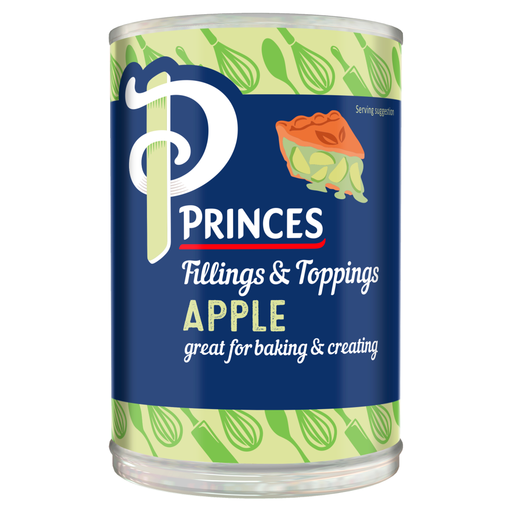
Princes Apple Fruit Filling 395g tin

Princes Apple Fruit Filling 395g

Consider this filling when a baking recipe calls for prepared apple filling rather than plain fruit in juice. Its format changes how it can be used; check the current ingredients, allergen wording and storage directions before deciding.

View on Joybuy

Del Monte Peach Halves in Juice 415g tin

Del Monte Peach Halves in Juice 415g

Peach halves provide a single-fruit format for serving or recipes. Read the current pack for the complete ingredients and precautionary allergen wording, and check its instructions for storing any leftovers.

View on Joybuy

Frequently asked questions

Do prepacked tins have to identify allergens in the UK?

The Food Standards Agency says the 14 regulated allergens must be emphasised in the ingredients list of prepacked food or drink. That identifies declared regulated allergens; read the entire current label against the specific allergy being managed.

Is plain fruit in juice suitable for every food allergy?

No. A short ingredient list can make comparison easier, but it does not establish suitability for every person or account for precautionary allergen wording. Check the exact pack each time, including when you have bought the product before.

What does ‘may contain’ mean on a fruit tin?

The Food Standards Agency describes precautionary allergen labelling as a warning that a regulated allergen could be unintentionally present, for example through cross-contact. It is separate from the ingredients list; consider it in line with the individual’s allergy-management advice.

What should I do with tinned fruit after opening it?

Follow the storage and use instructions on that product’s current label. Check them before choosing a pack size if you expect leftovers, and follow any directions for transferring and refrigerating the contents.