Bakers making a dessert to share
If you are making a crumble, trifle or cake for several servings, compare drained weight and fruit shape with the quantity your recipe requires. A larger tin does not necessarily mean the same amount of usable fruit.


Choose plain fruit in juice when you want to drain it and control the sweetness of a sharing bake. Fruit in syrup suits a recipe that can accommodate its sweeter packing liquid, while a prepared filling suits a tart or layered dessert that needs a thickened fruit component. Check drained weight where shown: the total tin weight includes liquid and does not tell you how much fruit the recipe will receive.
If you are making a crumble, trifle or cake for several servings, compare drained weight and fruit shape with the quantity your recipe requires. A larger tin does not necessarily mean the same amount of usable fruit.
If your recipe specifies fruit in juice, check the packing liquid before substituting a syrup-packed version. The choice affects how much sweetness the fruit and its liquid bring to the dessert.
If you need a spoonable fruit layer for pastry, cheesecake or a layered dessert, a prepared filling avoids a separate thickening step. Check its ingredients rather than treating it as plain drained fruit.
For a sharing dessert, start with the recipe's required fruit quantity and shape. Then decide whether you need plain fruit in juice, fruit in syrup or an already-thickened filling.
| Concern | What to check | Who this matters to |
|---|---|---|
| Usable fruit quantity | Compare the drained weight, where shown, with the fruit quantity your recipe requires. | When baking for several people, I need enough fruit in the finished dessert, not simply a large tin. About 31% of consumers put usable fruit quantity first. |
| Sweetness and moisture | Read whether the exact product is packed in juice, syrup or light syrup; follow the recipe's draining instructions. | If the recipe was written for fruit in juice, I want to avoid changing its sweetness by using syrup without adjustment. Controlling sweetness and moisture is the primary need for about 31% of consumers. |
| Prepared filling | Look for a filling or topping label and check the ingredients for sugar and thickener. | For a quick tart or layered dessert, I want a fruit component I can spoon into place without thickening it separately. About 23% of consumers prioritise that convenience. |
| Fruit type and shape | Match slices, chunks, halves or a filling to how the recipe uses the fruit. | When the fruit needs to sit on top of a cake or be distributed through a crumble, its shape matters to me as much as its type. Fruit and piece shape come first for about 15% of consumers. |
Packing liquid is included in the total weight. Sainsbury's lists Del Monte peach slices at 415g in total but 250g drained, a difference that matters when scaling a fruit-led bake.
Use drained weight where available to work out how many tins the recipe needs.
The same fruit can be sold in different packing liquids. Syrup may change the sweetness of a dessert written for fruit in juice.
Check the exact variant, then drain and adjust the recipe only where its instructions allow.
Princes apple and black-cherry fillings contain sugar and modified maize starch, so they are not like-for-like substitutes for fruit drained from juice.
Use a filling for a recipe that calls for a prepared topping or spoonable layer; choose plain fruit when you need to control the sauce yourself.
Sainsbury's instructs buyers of its 411g peach slices to transfer leftovers to a non-metallic container, refrigerate and use within two days. Food Standards Scotland advises checking each product's opened-pack storage instructions.
Follow the directions on the tin you buy and plan how to use any leftover fruit.
Prepared fruit in juice and syrup variants, including shapes that can be used in desserts.
Fruit fillings and toppings for bakes that call for a prepared fruit layer.
Own-label tinned fruit provides options to compare by fruit type, shape and packing liquid.
Own-label fruit in juice and syrup, including peach slices for desserts.
A supermarket option for comparing tinned fruit for home baking.
A tinned-fruit range that includes rhubarb for desserts.
These selections cover sliced fruit in juice or light syrup and prepared fruit fillings for sharing desserts. Choose by the recipe's required fruit format, then check the quantity you will use.
 No image available
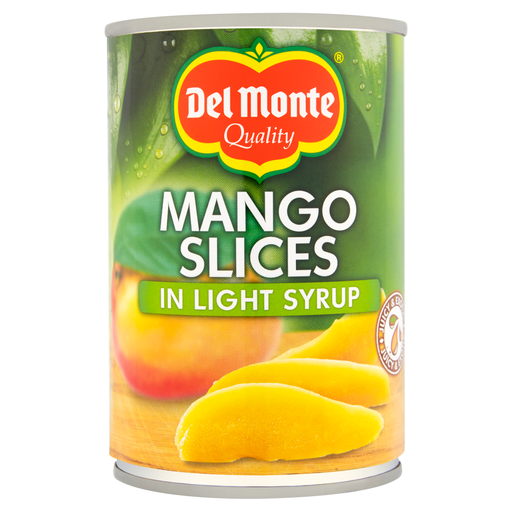
Consider these slices for a dessert whose recipe can accommodate fruit in light syrup. The tin is 425g; check the drained quantity against the fruit your sharing bake requires and account for the syrup when adjusting sweetness.
 No image available
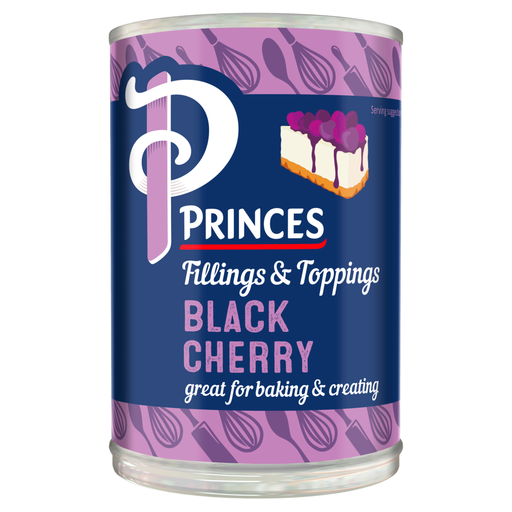
Use this prepared filling where a recipe calls for a spoonable cherry layer or topping rather than plain drained fruit. The 410g filling contains sugar and modified maize starch; its product warning says it may contain cherry stones, so check it before serving.
 No image available
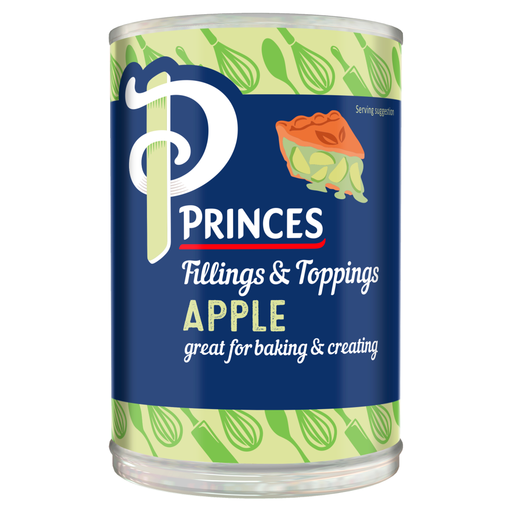
Choose this 395g prepared filling for a pie, crumble or topping designed to use an already-thickened apple mixture. It contains sugar and modified maize starch, so it is not a direct substitute for plain tinned fruit.
 No image available
The pineapple slices suit a recipe that calls for fruit arranged in layers or on top of a dessert. This is a 435g tin of fruit in juice, not a thickened filling; check the drained quantity and follow the recipe's instructions for the liquid.
 No image available
Consider these pear halves when the dessert calls for whole halves rather than slices or a prepared filling. Del Monte Europe describes its pear halves in juice as usable for baking desserts; check the drained weight on the 415g tin before scaling a sharing recipe.
Choose fruit in juice if you want to set the recipe's sweetness yourself. Choose syrup or light syrup if the recipe can accommodate the sweeter packing liquid, and follow its instructions on whether to drain the fruit.
Compare the recipe's required fruit quantity with the drained weight where it is shown, then check that the pieces are the right shape. For example, Sainsbury's lists a 415g tin of Del Monte peach slices with 250g drained weight; the total tin weight alone would overstate the fruit available.
Use a fruit filling when the recipe needs an already-thickened layer or topping, not as an automatic like-for-like swap. Princes apple and black-cherry fillings contain sugar and modified maize starch, which affect the mixture's sweetness and thickness.
Follow the instructions on that product's label. Sainsbury's directs buyers of its 411g peach slices to transfer leftovers to a non-metallic container, refrigerate and use within two days; Food Standards Scotland also advises checking the label for opened-pack storage directions.
A best-before date concerns quality, not safety, according to GOV.UK. Also follow the tin's storage directions, including any separate instructions that apply after opening.