Recipe-led home bakers
If a recipe calls for fruit folded into batter or arranged as a topping, check the cut and drained weight before choosing a tin. The total tin weight includes packing liquid.


Choose the fruit shape to match the bake: chunks can be folded through batter, while slices and halves can be arranged on top. If you want to adjust sweetness yourself, start with fruit in juice; use syrup when the recipe calls for it, accounting for its sweetness and liquid. Compare the drained weight with the fruit quantity your recipe needs, rather than relying on the total tin weight.
If a recipe calls for fruit folded into batter or arranged as a topping, check the cut and drained weight before choosing a tin. The total tin weight includes packing liquid.
Fruit in juice and fruit in syrup need different treatment when a recipe specifies sugar or uses the packing liquid. Read the ingredients and decide whether to drain or retain the liquid.
When one bake will not use a whole tin, choose a size with the leftovers in mind and check the product’s instructions for storage after opening.
Start with the recipe’s required shape and fruit quantity, then check the packing liquid and what you will do with any leftovers.
| Concern | What to check | Who this matters to |
|---|---|---|
| Fruit shape | Match chunks, slices, halves or other pieces to how the recipe uses the fruit. Check whether it needs draining or cutting. | For a cake topping, I want pieces I can arrange; for a muffin, I want fruit I can fold through the batter. About 33% of consumers put matching the fruit format to the recipe first. |
| Sweetness and liquid | Read whether the fruit is packed in juice or syrup, and check the ingredients and nutrition panel on the chosen tin. | If I am setting the sweetness of a filling myself, I need to know what the packing liquid adds. Controlling sweetness and recipe liquid comes first for about 25% of consumers. |
| Usable fruit quantity | Compare the drained weight, where shown, with the grams of fruit required by the recipe; total tin weight includes liquid. | A recipe needing a measured amount of fruit should not leave me short once the tin is drained. About 25% of consumers prioritise getting enough usable fruit. |
| Leftovers and ingredients | Check the exact tin’s after-opening instructions and current ingredients list, particularly if an ingredient restriction matters. | When a bake uses only part of a tin, I need a workable plan for the rest; an ingredient restriction also makes the current label important. Those handling and label checks are the primary concern for about 17% of consumers. |
A tin’s total weight can be higher than its drained fruit weight. Sainsbury’s, for example, lists Del Monte peach slices at 415g per tin and 250g drained.
Use the drained weight, where available, to check whether one tin supplies the fruit your recipe requires.
If it does not, you may need another tin or a different size to complete the bake.
Syrup contributes sweetness and liquid that a recipe using drained fruit in juice may not allow for.
Check whether the recipe uses the packing liquid. If it does not, drain the fruit; if it calls for syrup, account for that when choosing the tin.
Storage instructions apply to the opened product, not just the unopened tin. Marks & Spencer says its grapefruit segments should be transferred to a non-metallic container, refrigerated and eaten within two days; instructions can differ by product.
Choose a size that suits the bake, and follow the exact tin’s directions for any leftovers.
Fruit left unused beyond the stated period may have to be discarded.
An online listing or a tin bought earlier should not replace the label on the product you are using when an ingredient restriction matters.
Read the current pack’s ingredients and allergen information. GOV.UK says UK prepacked foods containing any of the 14 regulated allergens must identify them clearly in the ingredients list.
A branded option with peach slices, pineapple and other tinned fruit listed by Sainsbury’s.
Its pineapple chunks in juice are listed by Princes in 227g and 432g sizes.
Tesco’s tinned-fruit listings include pineapple in different cuts, mandarins, pears, peaches, apricots and prunes.
Its own-brand listings include peaches in fruit juice and light syrup, alongside other tinned fruit.
Marks & Spencer lists canned rhubarb as an option for pies and crumbles.
These tins offer pineapple chunks for bakes using smaller pieces, plus sliced and halved fruit for recipes where the cut matters. Choose the fruit and packing liquid your recipe calls for.
 No image available
Consider the slices when a recipe calls for pineapple pieces arranged on top. Sainsbury’s lists 260g drained weight for this 435g product; compare that amount with the recipe before buying.
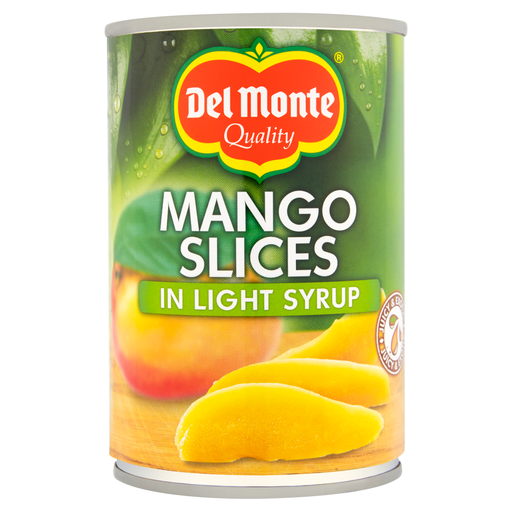 No image available
Consider the sliced mango for a recipe that calls for arranged fruit or deliberately uses syrup. Check the drained weight against the recipe and account for the syrup’s sweetness and liquid if you use it.
 No image available
The halves suit a recipe needing recognisable peach pieces, provided their size and usable quantity fit the bake. Check the tin’s drained weight and after-opening directions if you expect leftovers.
 No image available
Choose chunks when the recipe needs smaller pineapple pieces rather than slices for a topping. Princes lists pineapple, pineapple juice and citric acid for its chunks in juice. Check the usable fruit quantity on the tin; Joybuy’s product information says to transfer leftovers to a sealed container, refrigerate and use within two days.
 No image available
The pear halves are an option when a bake calls for visible pear pieces rather than chopped fruit. Confirm the drained weight for the amount your recipe needs, and read the tin’s instructions if some fruit will remain after opening.
Choose fruit in juice when you want to set the recipe’s sweetness separately. If a recipe calls for syrup or uses the packing liquid, choose the appropriate tin and account for that liquid rather than swapping formats without adjustment.
Follow the storage instructions on the exact tin. For example, Marks & Spencer says its opened grapefruit segments should be transferred to a non-metallic container, refrigerated and eaten within two days; do not assume every fruit product has the same timeframe.
Read the current pack’s ingredients and allergen information before using it. GOV.UK states that UK prepacked foods containing any of the 14 regulated allergens must identify them clearly in the ingredients list; check the exact product rather than relying on its brand or a previous purchase.