Family BBQ hosts serving fruit as a side
If you plan to serve pineapple alongside the main meal, look for a shape that is easy to portion and a drained quantity that fits the number of people likely to eat it.


For a family BBQ, choose the fruit shape for the dish before choosing the tin size: pineapple slices provide large, recognisable portions, while chunks suit skewers and serving bowls. Compare drained weight rather than total tin weight, and choose a larger tin only if you can use the fruit or store leftovers according to that product’s label. Smaller tins or multipacks give you more control over how much you open when attendance is uncertain.
If you plan to serve pineapple alongside the main meal, look for a shape that is easy to portion and a drained quantity that fits the number of people likely to eat it.
Ready-cut chunks or mixed fruit suit dishes where uniform pineapple rings are not needed. Check the drained weight and how you would store any fruit left after serving.
Smaller tins or a multipack let you decide how many containers to open. That can be more practical than opening one large tin if fruit demand is difficult to judge.
Decide how the fruit will be served, then check the quantity of fruit after draining and the instructions for anything left over.
| Concern | What to check | Who this matters to |
|---|---|---|
| Enough fruit for guests | Compare drained weight and any stated serving guidance. Tesco Groceries lists 260g drained weight for its 425g pineapple chunks; ASDA Groceries suggests three servings for its 432g chunks. | If I am planning fruit for a group, the weight of fruit I can actually serve matters more than the weight of the liquid-filled tin. About 40% of consumers put usable quantity first. |
| Fruit shape | Check whether the product contains slices, chunks or mixed fruit, and match that format to the planned dish. | For skewers or a serving bowl, I would choose ready-cut pieces; for large pineapple portions, I would look at slices. About 30% of consumers make the intended fruit format their primary concern. |
| Packing liquid and ingredients | Read the exact product’s packing liquid, ingredients and nutrition panel; do not apply one variant’s label to another. | If the choice between juice and syrup matters for my menu, I need to check the tin I will serve rather than rely on the fruit name alone. About 20% of consumers put ingredients and packing liquid first. |
| Leftovers | Read the selected tin’s post-opening storage instructions before deciding how much to open. | When I cannot predict how much fruit guests will take, opening fewer or smaller tins gives me less to store afterwards. About 10% of consumers chiefly want to limit leftovers. |
Packing liquid contributes to the stated weight. Tesco Groceries lists 260g drained weight for its 425g pineapple chunks, so the headline tin weight is not the quantity of fruit available after draining.
Compare drained weights on the same basis when deciding how much fruit to buy for your guests.
Post-opening instructions differ between products: Tesco Groceries instructs use within two days for its 425g pineapple chunks, while ASDA Groceries states four days for its 432g chunks.
If you will not serve the whole tin, check its own storage directions and decide whether a smaller container would suit the meal better.
Unused fruit may go to waste if it cannot be used within the selected product’s stated period.
Ingredients and packing liquids vary by product. Tesco Groceries lists a specific ingredient list for Nature's Finest Pineapple in Juice; that list does not describe other fruit types or variants.
Read the packing liquid, ingredients, nutrition panel and any front-of-pack claim on the exact tin you intend to serve.
Del Monte Europe lists several pineapple shapes in juice, while Sainsbury's lists a 435g sliced-pineapple tin and other tinned-fruit options.
Princes Food and Drinks lists pineapple slices and chunks in juice in both 227g and 432g sizes.
Tesco Groceries lists pineapple pieces in a 4 × 120g format alongside 227g and 425g pineapple options.
Sainsbury's lists tinned pineapple and other fruits, including peaches, pears, apricots and mandarin segments, alongside fruit-snack multipacks.
ASDA Groceries lists 432g pineapple chunks in fruit juice with a suggested three servings and product-specific post-opening directions.
These options cover pineapple slices and pieces for BBQ sides, plus smaller tins and mixed fruit for serving bowls or a buffet. Choose by the dish you plan to serve; a tin’s size alone does not establish how many guests it will feed.
 Image unavailable
Consider the sliced format when you want large pineapple portions as a BBQ side. Sainsbury's lists 260g drained weight for this 435g product; compare that quantity with the other dishes and the number of guests. Follow the selected tin’s directions if any fruit remains.
 Image unavailable
Chunks are a format to consider for skewers or a shared fruit bowl. This is a 432g tin; check its drained weight on the selected product before using the total weight to plan portions.
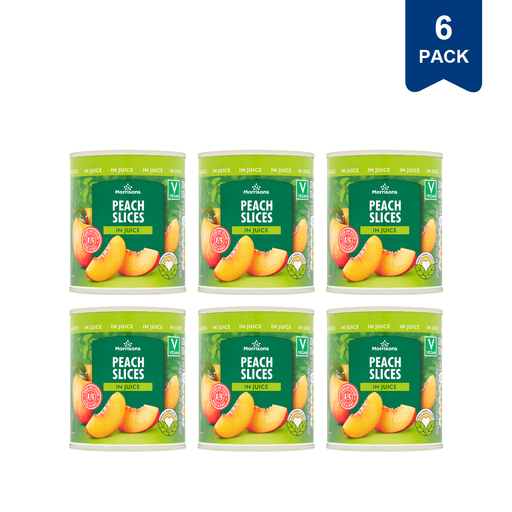 Image unavailable
The six separate 220g tins offer a way to open peach slices as needed for a fruit side. Treat them as a serving option rather than assuming they suit grilling; check the per-tin drained weight when planning quantities.
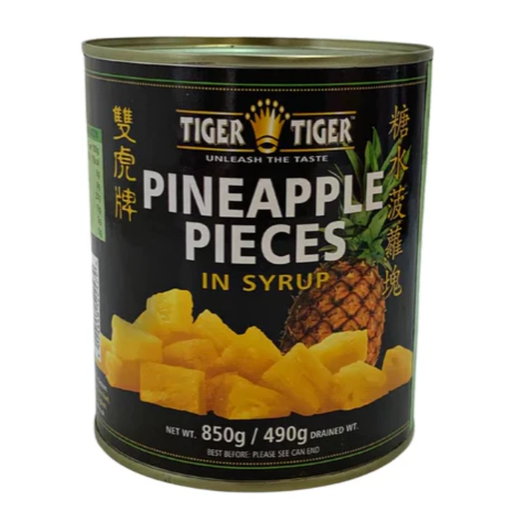 Image unavailable
Consider this larger tin of pieces for a shared serving bowl if you expect to use its contents. The product information describes light syrup rather than juice; check the exact label and drained weight if packing liquid or usable quantity will decide your purchase.
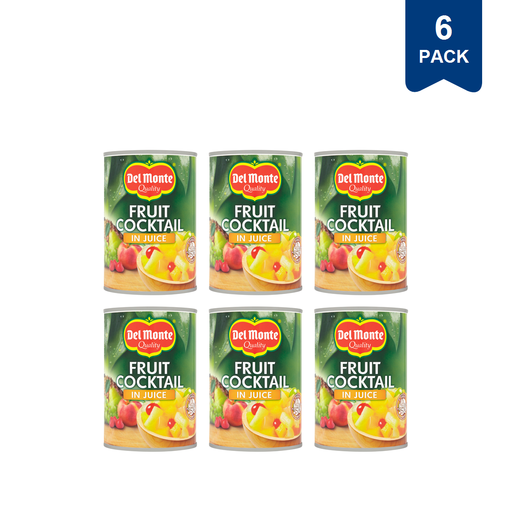 Image unavailable
A multipack of mixed fruit suits a buffet where guests can take fruit alongside other dishes; it is not a confirmed grilling format. The pack contains six 415g tins, so decide how many you would open and check each tin’s drained weight before planning portions.
No. Total tin weight includes packing liquid, and the number of portions depends on the drained fruit and what else you serve. Tesco Groceries lists 260g drained weight for its 425g pineapple chunks, while ASDA Groceries suggests three servings for its 432g chunks; use the details of the tin you choose.
Follow the selected product’s post-opening instructions. Tesco Groceries instructs transfer to a non-metallic container, refrigeration and use within two days for its 425g pineapple chunks; ASDA Groceries gives a four-day period for its 432g chunks. Do not assume that one tin’s period applies to another.
A best-before date concerns quality, not the same safety limit as a use-by date, according to GOV.UK. GOV.UK says food is usually safe after its best-before date if stored correctly, though its quality may change. Check the tin and follow its storage instructions.
Use the page to plan, then read the label on the tin you receive before serving. Tesco Groceries and ASDA Groceries advise checking product labels because product information can change; this matters especially when the packing liquid or ingredients affect your choice.