For a simple fruit dessert, choose a tin in natural juice or water if you want to follow NHS guidance; for a pie or crumble, choose a fruit filling or cooking fruit that fits the recipe. Before buying for a group, compare the cut, usable fruit quantity and pack size, then check the chosen product’s instructions for any leftovers.
Who is choosing tinned fruit?
Juice-packed fruit shoppers
If you want fruit ready to serve with a Bonfire Night dessert, the NHS advises choosing canned fruit in natural juice or water with no added sugar or salt. Check the exact tin rather than relying on its brand or fruit name.
Autumn dessert bakers
For a pie, crumble or traybake, decide whether the recipe calls for plain fruit or a prepared filling. Tesco lists apple and black-cherry fruit fillings, while M&S suggests its canned rhubarb for pies and crumbles.
Hosts planning portions and leftovers
If fruit will be shared or served over several meals, compare the usable quantity with the portions you need. Check the chosen tin’s after-opening directions before planning to keep any leftovers.
What matters when choosing?
Choose the fruit format for the dessert you plan to make, then check the packing liquid and the quantity you will actually use.
| Concern |
What to check |
Who this matters to |
| Packing liquid |
Read whether the fruit is in natural juice, water or syrup, and check the ingredients. The NHS advises choosing canned fruit in natural juice or water with no added sugar or salt. |
If I want fruit to serve with custard or cake, I need to know what it is packed in. About 40% of consumers put the packing liquid first. |
| Recipe format |
Match slices, halves, chunks or a prepared filling to the recipe; check whether the product is plain fruit or a filling. |
For a crumble or pie, I need fruit in a form that suits the recipe rather than a tin chosen only by fruit type. The right cooking format comes first for about 30% of consumers. |
| Portions and leftovers |
Compare pack size and drained weight where stated. Follow the after-opening instructions on the exact product. |
When serving several people, I want enough fruit without opening more than we can use. Managing portions and leftovers is the main concern for about 30% of consumers. |
What should you avoid overlooking?
-
Assuming every tin contains plain fruit in juice
Fruit in juice, syrup or jelly and prepared fruit fillings are different choices. The NHS recommendation to choose canned fruit in natural juice or water does not describe every tinned-fruit product.
Read the packing liquid and ingredients on the particular tin before choosing it.
-
Choosing a filling for a simple fruit dessert
A prepared apple or cherry filling serves a different recipe need from fruit halves or chunks intended for spooning over a dessert.
Check the recipe’s required fruit, cut and preparation before buying a filling or a plain tin.
-
Planning to keep leftovers without checking the label
After-opening directions differ between products. For example, Asda’s pineapple slices in fruit juice specify transfer to a non-metallic container, refrigeration and use within two days; Asda’s listing for Dole Tropical Gold pineapple chunks specifies a glass or plastic container, refrigeration and use within five days.
Follow the instructions on the tin you open, and consider a smaller pack if you only need a little fruit.
A pack that is too large for the planned dessert may leave fruit you cannot use within its stated storage period.
-
Relying on a listing when ingredients matter
The packing liquid and preparation can vary even among tins of the same fruit. That distinction matters when a recipe or dietary requirement calls for particular ingredients.
Check the current product label before buying and again before serving to someone with a dietary requirement.
Brands to consider
Del Monte
Del Monte appears in UK supermarket tinned-fruit listings with several fruit types and packing liquids.
- Listings include peaches and other fruit in juice.
- The range also includes syrup-packed options, so check the individual tin.
Princes
Princes offers pineapple in juice as well as prepared fruit fillings listed by Tesco.
- The different formats allow a choice between serving fruit and preparing a bake.
- A fruit filling is not interchangeable with plain pineapple in juice; check what the recipe calls for.
Tesco
Tesco’s tinned-fruit category includes own-label tins and smaller multipack formats.
- Its listings allow comparison of standard tins with individual fruit portions.
- Some listed portions are fruit in jelly, so check the preparation before choosing one in place of fruit in juice.
Sainsbury's
Sainsbury's lists own-label tinned fruit alongside branded products in its fruit category.
- Listings include different fruits and packing liquids to compare.
- Both juice-packed and light-syrup products appear, so read the selected tin’s description.
Asda
Asda’s pineapple slices in fruit juice are a standard-can option for a dessert or recipe.
- The product directions specify how to store any fruit left after opening.
- Check the current label for the ingredients and storage directions of the can you buy.
M&S
M&S lists canned rhubarb for cooking and grapefruit segments packed in grapefruit juice.
- Rhubarb offers a distinct option when the planned dessert is a pie or crumble.
- Choose by the fruit and recipe you need rather than assuming these formats serve the same purpose.
Joybuy tinned-fruit selections
These Joybuy tins cover fruit in juice for serving with desserts and an apple filling for baking. Choose between them by the planned use, then check the current label for ingredients and storage directions.
 No image available
Princes Pineapple Chunks With Juice 432g
Choose the chunk format when pineapple pieces suit the dessert you plan to serve. This is a 432g tin; check the drained weight on the current can if the recipe needs a particular quantity of fruit.
View on Joybuy
 No image available
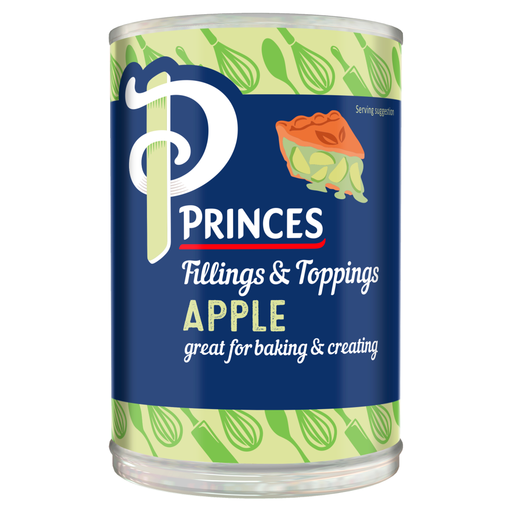
Princes Apple Fruit Filling 395g
Consider this 395g prepared filling for an apple bake rather than as a substitute for plain fruit in juice. Check its ingredients and the recipe quantity before using it in a pie or crumble.
View on Joybuy
 No image available
Del Monte Peach Halves In Juice 415g
Peach halves offer a defined cut for serving alongside a dessert. The tin is 415g; check its drained weight when working out how many portions to serve, and read the current ingredients if the type of juice matters to you.
View on Joybuy
 No image available
Del Monte Pear Halves in Juice 415g
Choose pear halves if that fruit and cut suit the dessert rather than mixed fruit or chunks. This is a 415g tin; consult the current label for ingredients and after-opening directions.
View on Joybuy
 No image available
Del Monte Fruit Cocktail in Juice 415g
A mixed-fruit tin suits a dessert that calls for fruit cocktail rather than a single fruit. It is labelled 415g; check the drained quantity for portion planning and follow the can’s directions if you keep leftovers.
View on Joybuy
Common questions
Can tinned fruit count towards 5 A Day?
Yes. The NHS says 80g of canned fruit or vegetables counts as one portion and advises choosing fruit canned in natural juice or water with no added sugar or salt. For planning a dessert, its examples include two peach halves or two pear halves as a fruit portion.
Should I choose fruit in juice or syrup for a Bonfire Night dessert?
Choose fruit in natural juice or water if following the NHS guidance is your priority. A syrup-packed tin is a different format to consider when the planned recipe or dessert calls for it; check the particular product’s ingredients.
How should I keep tinned fruit after opening?
Follow the instructions on the exact tin, including any direction to transfer and refrigerate the contents. Asda’s listed pineapple slices specify a non-metallic container and use within two days after opening, while its listed Dole Tropical Gold pineapple chunks specify a glass or plastic container and use within five days after opening.
What if I serve a tinned-fruit dessert at a community Bonfire Night event?
For events in England, Northern Ireland and Wales, GOV.UK says food provided at community or charity events must comply with food law and be safe to eat. Keep the product packaging available so its ingredients can be checked, and check which food-service requirements apply to your event; organisers in Scotland should consult their local authority about the applicable rules there.


