Display-led buffet host
If the fruit will be visible in a bowl or plated dessert, its shape matters. Del Monte describes pear halves for desserts and fruit salads, while Princes presents fruit cocktail as an ingredient for trifle.


Choose the fruit shape to suit the dessert: pear halves provide recognisable pieces for plating, fruit cocktail makes a ready-mixed trifle ingredient, and slices work for layers or toppings. For a more considered-looking Boxing Day buffet, check the exact ingredients, nutrition panel and tin size rather than treating the brand or the words ‘in juice’ as a sign of how the finished dish will look or taste.
If the fruit will be visible in a bowl or plated dessert, its shape matters. Del Monte describes pear halves for desserts and fruit salads, while Princes presents fruit cocktail as an ingredient for trifle.
Ready-cut slices or mixed fruit can fit a trifle, filling or layered dessert without cutting several kinds of fruit during preparation. Choose the form that matches the recipe.
If the packing liquid or sweetness matters to the dessert, compare the ingredient lists and nutrition panels of the exact tins. ‘In juice’ does not mean sugar-free.
Start with the way the fruit will be served, then compare the packing liquid and plan for any chilled dessert ingredients.
| Concern | What to check | Who this matters to |
|---|---|---|
| Fruit shape and presentation | Check whether the tin contains halves, slices or mixed pieces, and whether that form fits the serving dish. | For a plated dessert, recognisable pieces may matter more than a ready-made mix; about 33% of consumers put fruit shape and presentation first. |
| Dessert assembly | Match ready-cut slices or fruit cocktail to the trifle, topping or filling you plan to make. | If I am building a trifle, I want fruit that is ready to add without cutting several varieties; about 27% of consumers prioritise easier dessert assembly. |
| Packing liquid and sweetness | Compare ingredients and sugars per 100g on the exact tins, checking the basis used on each nutrition panel. | When the dessert already has sweet components, I want to decide whether juice or syrup fits the recipe; about 20% of consumers make label and sweetness checks their primary concern. |
| Storage and service | Read the date and post-opening instructions; plan appropriate chilled storage if the prepared dessert contains ingredients that need refrigeration. | For a dessert prepared ahead of the buffet, I need to know how to store it and its opened ingredients; about 20% of consumers put storage and service first. |
The packing liquid is only one part of the label. Princes Peach Slices with Juice lists grape juice from concentrate among its ingredients.
Read the ingredients and compare sugars per 100g on the tins you are considering before deciding which suits the dessert.
Pear halves provide larger individual pieces, whereas fruit cocktail supplies a mix for a trifle. The same tin will not necessarily suit both presentations.
Decide whether the dish needs focal pieces, slices for layering or a ready-made mix before choosing.
Post-opening instructions belong to the particular product; a prepared dessert can also have storage needs of its own.
Follow the tin’s instructions for leftovers and keep ingredients that require chilling refrigerated during preparation and storage.
A product listing does not establish that a particular tin will be available when you need it for the buffet.
Check the pack size, availability and delivery details when ordering, and confirm the product label when it arrives.
A change of tin may also mean adjusting the dessert’s fruit shape or packing liquid.
A reference for larger fruit pieces: Del Monte describes its Pear Halves in Juice for desserts and fruit salads.
A reference for recipe-specific formats, including Peach Slices with Juice and Fruit Cocktail with Juice.
Its tinned-and-pot-fruit category provides a place to compare forms such as peaches, pears, pineapple and fruit cocktail.
These tins offer slices, pear halves, fruit cocktail and pineapple chunks for dessert layers, plated fruit or mixed bowls. Choose the form and packing liquid that fit your dish.
 No image available
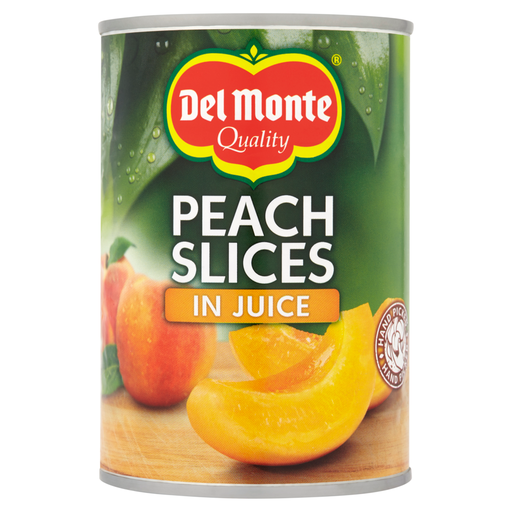
Consider these slices when the dessert calls for peach pieces in layers or as a topping. The 415g tin is packed in juice; compare its label with other tins if the packing liquid matters to your recipe.
 No image available
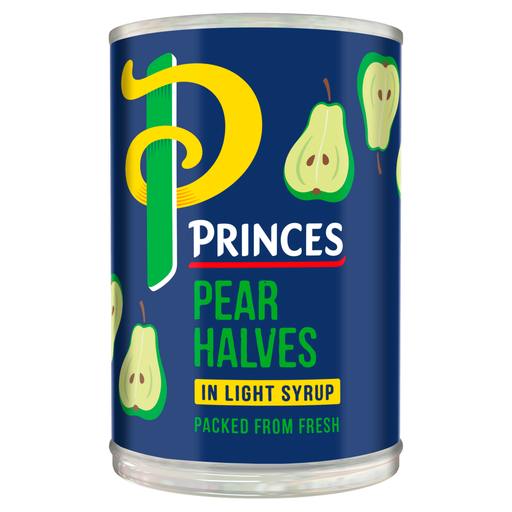
Pear halves give a plated dessert larger, recognisable pieces. This 410g tin is packed in syrup, so check whether that packing liquid suits the dessert and follow the tin’s instructions after opening.
 No image available
A mixed-fruit tin is an option for a trifle or spoon dessert when you do not need to choose each fruit separately. This 415g fruit cocktail is packed in juice; fruit proportions can vary, and the can’s ingredient label is the one to check if cherry colouring matters to you.
 No image available
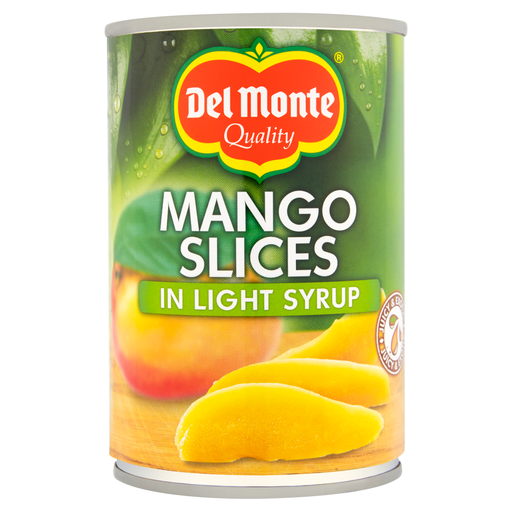
Use sliced mango when the dessert needs fruit pieces for a topping or layers. This 425g tin is packed in light syrup rather than juice; check the label’s measurement basis before comparing its nutrition values with another tin.
 No image available
Pineapple chunks offer a ready-cut form for a mixed-fruit bowl or recipe. The 432g tin is packed with juice; read its post-opening instructions if you expect to use only part of it.
No. Princes lists grape juice from concentrate in its Peach Slices with Juice. Read the exact tin’s ingredients and nutrition panel rather than treating its packing-medium description as a sugar-free claim.
Fruit cocktail is a convenient choice when you want a mix in one tin: Princes specifically describes its Fruit Cocktail with Juice for trifle. If you want more control over the visible layers, choose slices or larger pieces that match your recipe instead.
GOV.UK explains that best-before dates concern quality, whereas use-by dates concern safety. Check the date type on the particular tin and follow its storage instructions; the distinction does not give every opened or prepared fruit dish the same keeping time.
Follow the instructions on that tin for transferring, covering, refrigerating and using its contents. Do not apply one product’s post-opening time limit to a different brand or to a prepared dessert containing other ingredients.