For a bread recipe where you want to limit added sweetness, start with fruit packed in juice rather than light syrup, then check the ingredients and sugars per 100g: juice-packed and no-added-sugar products can still contain total sugars. Measure the drained fruit, choose a cut that suits the loaf, and add the can liquid only if the recipe accounts for it.
Who is this for?
Bakers limiting added sweetness
If you are making a fruit loaf, tea bread or quick bread, the packing liquid and ingredients matter alongside the fruit itself. A no-added-sugar label does not replace checking total sugars per 100g; NHS guidance explains that the total includes sugars naturally present in food.
Bakers following a measured recipe
When a recipe specifies a weight of fruit, look for the drained weight rather than treating the entire can as fruit. Chunks, slices and halves may also need different amounts of chopping before they go into the dough or batter.
Bakers planning around leftovers
A can close to the recipe’s required fruit quantity can leave less unused fruit. If you expect leftovers, check the individual tin’s instructions for storage after opening before deciding which size to use.
What matters when choosing?
For bread baking, decide how much sweetness the packing liquid should contribute, then check how much usable fruit the can provides. A no-added-sugar claim can appear on fruit in juice; it is not a separate type of packing liquid.
| Concern |
What to check |
Who this matters to |
| Added sweetness |
Read the packing-liquid and ingredient descriptions, then compare sugars per 100g on the same basis. Check the individual tin for any no-added-sugar claim. |
If I am reducing the sweetness added elsewhere in a fruit loaf, I want to know whether the fruit comes in juice or syrup before changing the recipe. About 42% of consumers put control over added sweetness first. |
| Fruit and liquid in the recipe |
Check drained weight and whether the fruit comes as chunks, slices or halves. Follow the recipe’s instructions for the can liquid. |
When my recipe calls for a measured amount of fruit, the liquid in the can cannot stand in for pieces of fruit; about 33% of consumers primarily need control over fruit quantity and dough or batter consistency. |
| Can size and leftovers |
Choose a can size near the recipe requirement and read its post-opening storage instructions. |
If I am baking one loaf, I may want a can that leaves little unused fruit; if I bake again soon, storage instructions matter. For about 25% of consumers, managing the usable quantity and leftovers is the main concern. |
Bread-baking mistakes to avoid
-
Assuming fruit in juice is sugar-free
Fruit and its juice can contribute to the total-sugars figure even when a product says no added sugar. A loaf can therefore taste sweeter than intended if its other sweeteners stay unchanged.
Compare sugars per 100g and consider the sweetness of the fruit when adjusting the whole recipe. The NHS notes that naturally occurring sugars are included in the total-sugars figure on food labels.
-
Choosing by the fruit picture alone
Juice-packed and light-syrup versions of the same fruit can sit alongside one another; Sainsbury’s lists both for peach slices. The packing liquid affects what goes into the loaf.
Read the product name and ingredients. Choose juice when limiting added sweetness, or use syrup deliberately if the recipe calls for it.
-
Counting the whole can as fruit
Net weight includes the packing liquid, so it may not match a recipe’s specified weight of fruit.
Use the drained weight to plan the fruit addition. If the recipe calls for the juice too, account for it as part of the recipe liquid.
-
Overlooking the opened can’s instructions
Storage directions vary between products. Some tinned-fruit listings also caution that fruit stones, seeds or fragments may remain.
Follow the tin’s directions for transferring and refrigerating leftovers, and inspect the fruit before chopping or mixing it into dough.
Brands and ranges to consider
Del Monte
Del Monte offers prepared fruit in juice, including peaches and pears that can be considered for baking recipes.
- ASDA Groceries lists Del Monte peach slices packed in clarified pineapple juice from concentrate.
- Del Monte also sells fruit in light syrup, so check the packing liquid on the exact tin.
Princes
Princes lists pineapple chunks in juice in 432g and 227g formats, giving bakers two can sizes to consider.
- Princes lists pineapple, pineapple juice and citric acid for its pineapple chunks in juice.
- If an explicit no-added-sugar claim matters, check the individual can rather than inferring one from the ingredient list.
Tesco
Tesco Groceries lists own-label fruit in juice in several fruit types and cuts, including pineapple chunks and slices.
- The range offers a choice of fruit shape for recipes that call for pieces or slices.
- Check the individual tin for ingredients, drained weight and nutrition rather than applying one product’s details to the range.
Sainsbury’s
Sainsbury’s Groceries lists own-label peaches and other fruits in juice, as well as peach slices in light syrup.
- The peach options let shoppers distinguish juice from light syrup within the range.
- Check the individual product label for its full ingredients and nutrition before using it in a reduced-added-sugar recipe.
Asda
ASDA Groceries lists pineapple chunks and peach slices in fruit juice, with ingredient and nutrition information for those products.
- The pineapple chunks list pineapple and pineapple juice; the peach slices list peach and grape juice from concentrate.
- The fruits and cuts differ, so select the one the recipe calls for rather than treating the cans as interchangeable.
M&S
Marks & Spencer lists a tinned-fruit range that includes rhubarb chunks and grapefruit segments.
- These fruit types may be worth considering when a recipe specifically calls for them.
- Check the individual tin’s packing liquid, ingredients and nutrition before choosing it for a reduced-added-sugar bread recipe.
Juice-packed fruit on Joybuy
These juice-packed pineapple, peach and pear options suit bread recipes that call for tinned fruit. Choose the fruit and cut your recipe needs, and check drained quantity and sugars per 100g on the individual product before adjusting the formula.
 No image available
Del Monte Pineapple Slices in Juice 435g
Consider these slices when a bread recipe calls for pineapple that you can cut to the required size. The can is 435g net; use its drained fruit quantity, rather than that net weight, when measuring fruit for the recipe.
View on Joybuy
 No image available
Del Monte Peach Halves in Juice 415g
Peach halves are an option when you want to cut the fruit to suit your loaf. The can is 415g net; check its drained weight for the recipe and its label if an explicit no-added-sugar claim is important to you.
View on Joybuy
 No image available
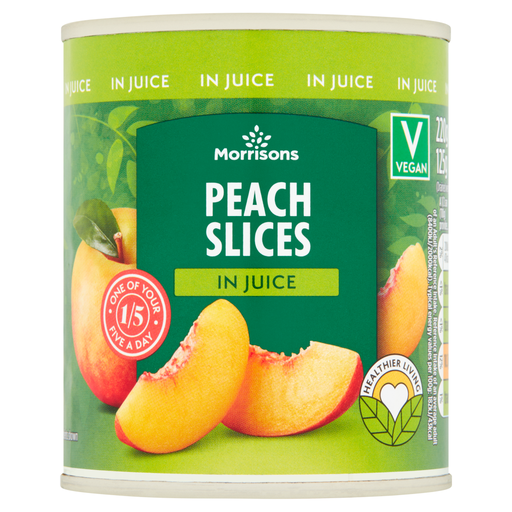
Morrisons Peach Slices in Juice 220g
This 220g can may suit a recipe needing a smaller addition of peach slices. Check the pack’s drained quantity if the recipe requires an exact fruit weight, and cut the slices if smaller pieces are needed.
View on Joybuy
 No image available
Princes Pineapple Chunks With Juice 432g
Choose the chunk format if it matches the pineapple pieces called for in your loaf. The can is 432g net; check the drained weight before using it to meet a specified fruit quantity. Princes lists 10.0g sugars per 100g for its pineapple chunks in juice.
View on Joybuy
 No image available
Del Monte Pear Halves in Juice 415g
For a recipe using pear, these halves can be cut before mixing into the dough or batter. The can is 415g net; check its drained weight to measure the fruit and the individual label for any no-added-sugar claim.
View on Joybuy
Questions about tinned fruit for bread
Does no added sugar mean tinned fruit is sugar-free?
No. A no-added-sugar product can still show sugars from the fruit and its juice in the total-sugars figure. Tesco Groceries labels Nature’s Finest Pineapple in Juice “No Added Sugar” while listing 10.4g sugars per 100g; the NHS explains that total sugars include naturally occurring sugars.
Should I drain tinned fruit before adding it to bread?
Drain it when the recipe specifies a weight of fruit or does not call for the can liquid. If the recipe includes the juice, count it as part of the recipe’s liquid rather than adding it without an adjustment.
Which label details help me compare tins?
Check the packing liquid, ingredients, drained weight and sugars per 100g, along with the date on the tin. Compare nutrition figures on the same basis: NHS food-label guidance uses per 100g or per 100ml information for comparisons.
How should I store fruit left after baking?
Follow the exact tin’s post-opening directions, including whether to transfer the fruit to another container and how soon to use it. Instructions differ between products, so do not apply one can’s storage period to another.


