Fruit-loaf bakers managing moisture
If you are adapting a tea loaf, quick bread or enriched fruit loaf, you need to know how much fruit goes into the mixture and whether the recipe includes the packing liquid.


For fruit mixed through a loaf, choose pieces you can cut to the recipe’s intended size, then weigh the fruit after draining if the recipe specifies a drained weight. Keep slices or halves for bakes where the fruit should remain visible. Match juice or syrup to the recipe, and add the packing liquid only when the recipe calls for it or you deliberately adjust the other liquid and sugar.
If you are adapting a tea loaf, quick bread or enriched fruit loaf, you need to know how much fruit goes into the mixture and whether the recipe includes the packing liquid.
For a filled loaf or an upside-down bake, the choice between fruit in juice and fruit in syrup matters when you are following a recipe’s intended sweetness and presentation.
If one tin will serve several recipes, compare its size and drained quantity with what you will use, then check its instructions for storing fruit after opening.
| Concern | What to check | Who this matters to |
|---|---|---|
| Moisture and fruit quantity | Check whether the recipe calls for drained fruit or includes the packing liquid; compare drained weight with the required fruit weight. | If I am folding fruit into a loaf, I need to avoid adding liquid the recipe has not allowed for and measure the fruit I will use; about 31% of consumers put moisture and usable fruit quantity first. |
| Sweetness and flavour | Read the packing medium and ingredients, particularly when substituting syrup-packed fruit for fruit in juice. | When a recipe calls for fruit in juice, I want to know whether a different tin contains added sugar before changing the bake; roughly 31% of consumers prioritise the fruit’s packing medium and its fit with the recipe’s sweetness. |
| Fruit shape | Choose pieces for mixing through a loaf, or slices and halves when placement matters; cut fruit to the size the recipe requires. | For fruit that should appear throughout a loaf or stay visible on top, the cut determines how I prepare it; around 23% of consumers make fruit format their primary concern. |
| Can size and leftovers | Compare the quantity needed for the bake with the tin’s drained weight, and read its after-opening storage instructions. | If one bake will leave fruit behind, I need a tin I can use within its stated storage window; about 15% of consumers chiefly consider can size and leftover use. |
The liquid accounts for some of the stated net weight. Tesco Groceries lists 136 g drained weight for its 227 g pineapple slices in juice.
If the recipe gives a weight for drained fruit, compare drained weights when buying and weigh the fruit after draining.
Sainsbury’s lists sugar among the ingredients of its red plums in light syrup. Adding that fruit and its liquid to a recipe written for fruit in juice changes what goes into the mixture.
Match the specified packing medium where possible. For a substitution, check the ingredients and review the recipe’s liquid and added sugar rather than assuming the tins are interchangeable.
Del Monte Europe identifies chunks, crushed pineapple, spears and slices as distinct formats. Slices or spears need cutting if the recipe calls for smaller pieces mixed through the loaf.
Choose the cut for how the recipe uses the fruit: mixed through, layered or placed visibly on top.
After-opening directions are product-specific. Asda instructs shoppers to transfer leftover pineapple chunks to a covered, non-metallic container, refrigerate them and use them within four days.
Read the exact tin’s directions and plan another use for leftovers before opening a can larger than the recipe needs.
An oversized tin can leave fruit unused if you cannot finish it within its stated window.
Del Monte Europe describes pineapple in juice in several cuts, which is useful when a bread recipe specifies the fruit’s shape.
Princes lists pineapple slices in juice in 227 g and 432 g sizes.
Tesco’s pineapple-in-juice listing gives both net and drained weight, allowing a check against a recipe that specifies fruit by weight.
The Sainsbury’s tinned-fruit range lists juice-packed options including peaches, apricots and pears, alongside fruit packed in syrup.
Asda lists a 432 g tin of pineapple chunks in fruit juice, a cut to consider for recipes using mixed-in pieces.
The M&S tinned-fruit range includes grapefruit segments and rhubarb chunks for recipes that call for those fruits.
These tins offer peach or pineapple in slices, halves or pieces for loaves and sweet bakes. Choose by the recipe’s fruit shape, packing medium and required quantity rather than treating the formats as substitutes.
 No image available
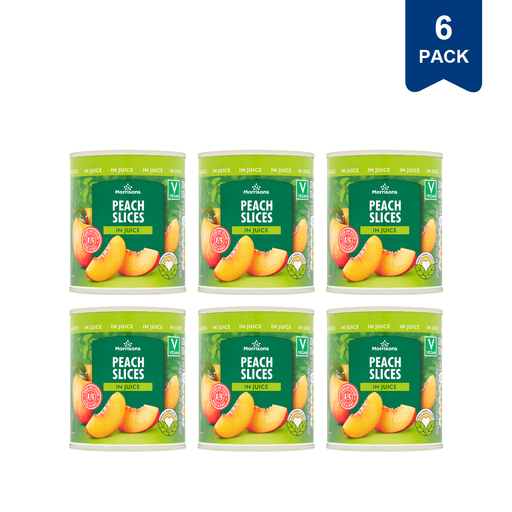
Consider these peach slices for a recipe that keeps the fruit visible. The bundle contains six 220 g packs; cut the slices if the loaf calls for smaller mixed-in pieces, and check the drained quantity needed for each bake.
 No image available
The 435 g tin contains pineapple slices in juice, a format to consider where the recipe calls for visible or deliberately cut pieces. If the fruit will be folded through a loaf, cut it to the recipe’s intended size and check the drained weight.
 No image available
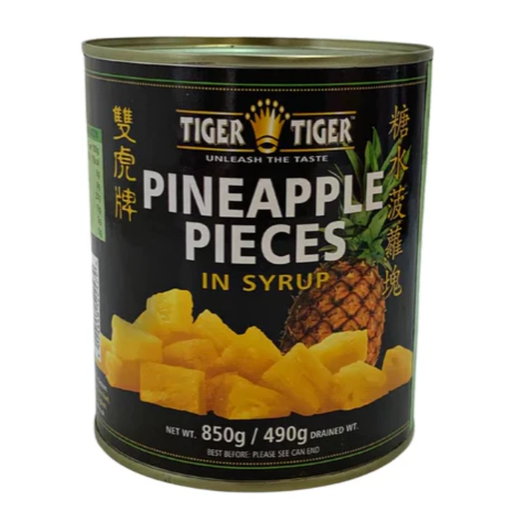
The 830 g tin contains pineapple pieces for a recipe that uses fruit mixed through the bake. Check its light-syrup ingredients against the recipe’s sugar and liquid before substituting it for fruit in juice, and confirm the drained quantity if the recipe gives a fruit weight.
 No image available
Choose the chunk format when a recipe calls for pineapple pieces mixed through a loaf; cut them further if needed. This is a 432 g tin with juice, so check the drained quantity when measuring fruit by weight and follow the tin’s directions for leftovers.
 No image available
The 415 g tin contains peach halves in juice for a bake that uses recognisable fruit pieces. Cut the halves before mixing them through a loaf, and use the tin’s drained-weight and storage directions when planning the recipe and leftovers.
Drain it when the recipe specifies drained fruit or gives a fruit weight to measure after draining. Use the juice or syrup only if the recipe calls for it, or if you deliberately adjust the other liquid and sugar to account for what you add.
No. Match the packing medium to the recipe: fruit in juice avoids introducing a sugar syrup, while syrup-packed fruit can suit a recipe designed to use it. Check the exact tin’s ingredients; Sainsbury’s lists sugar in its red plums in light syrup, whereas Tesco and Princes list pineapple and pineapple juice in their pineapple-in-juice examples.
Follow the directions on the exact product. For example, Asda instructs shoppers to transfer unused pineapple chunks to a covered, non-metallic container, refrigerate them and use them within four days; do not apply that timeframe to a different tin.
Yes, if the recipe is designed for fruit placed visibly in the bake. Tesco Real Food gives a tinned-peach upside-down cake as one example; for a bread or loaf recipe, follow its directions for fruit size and whether to include the packing liquid.