What to check when buying
For sweet fruit breads and cake-style loaves, compare salt on the individual tin, then check how the recipe handles liquid and sweetness.
| Concern |
What to check |
Who this matters to |
| Salt on the label |
Compare salt per 100g and read the ingredients for added salt. A low stated value does not itself establish a formal reduced-salt claim. |
If I am keeping the fruit’s salt contribution in mind, I need the value for the tin I will use, not a category-wide assumption. About 36% of consumers put salt verification first. |
| Moisture |
Check whether the method calls for drained or strained fruit, and compare drained weights where shown. |
For a loaf whose recipe specifies drained fruit, I need to keep unmeasured can liquid out of the dough. About 29% of consumers make moisture control their primary concern. |
| Sweetness and texture |
Check whether the recipe expects plain fruit, syrup-packed fruit or a thickened filling; read the sugars declaration and ingredients. |
If I am making a swirl or using fruit pieces in a loaf, I need the fruit format to match that method. About 21% of consumers chiefly consider sweetness and texture. |
| Pack format |
Check the fruit cut, pack size and drained weight where available against the recipe quantity. |
For an occasional bake, I want a practical quantity in the cut the recipe needs. About 14% of consumers prioritise finding a suitable pack format. |
Joybuy products for sweet baking
These options cover pineapple and pear pieces in juice, pears in syrup and a black cherry filling. Choose the format your bread or cake-style loaf calls for, then compare the individual labels.
 No image available
Del Monte Pineapple Slices in Juice 435g
Consider these slices for a recipe calling for pineapple pieces rather than a thickened filling. The 435g tin contains juice, so follow the method’s instructions for draining the fruit or using the liquid; check its label for the salt declaration.
View on Joybuy
 No image available
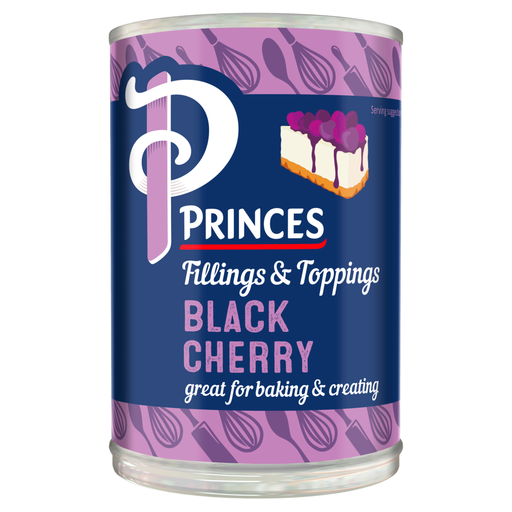
Princes Black Cherry Fruit Filling 410g
Choose this 410g filling for a recipe designed around a thickened cherry component, such as a fruit layer or swirl, rather than one requiring drained pieces. Princes Food and Drinks lists sugar and modified maize starch in the filling. Check the pack’s cherry-stone warning before use.
View on Joybuy
 No image available
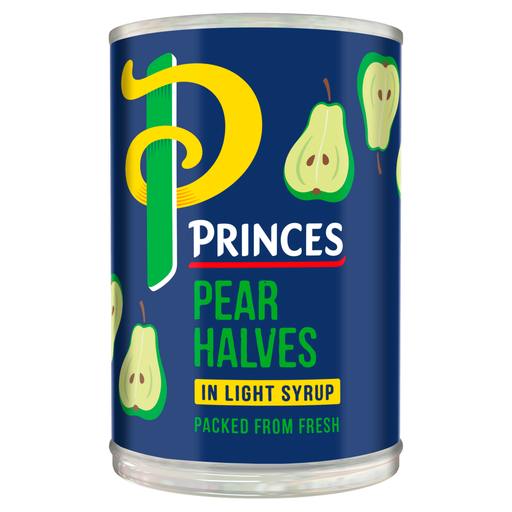
Princes Pear Halves in Syrup 410g
These 410g pear halves suit a recipe that calls for syrup-packed fruit or accounts for its sweetness. Check the drained quantity against the amount of pear needed, and use the syrup only as the method directs.
View on Joybuy
 No image available
Del Monte Pear Halves in Juice 415g
For a bake calling for pear pieces in juice, these halves offer a 415g tin to compare with the recipe quantity. Check the usable fruit amount on the pack, drain as instructed and read the exact salt declaration.
View on Joybuy
 No image available
Princes Pineapple Chunks with Juice 432g
Consider these chunks when a recipe calls for pineapple pieces in juice. Compare the usable fruit quantity from the 432g tin with the method, and drain or reserve the juice as directed. Read this product’s salt declaration rather than applying the value for Princes pineapple slices.
View on Joybuy
Frequently asked questions
Does a small salt value mean a tin is labelled reduced-salt?
No. The salt declaration tells you the stated amount in that product; it does not by itself establish a comparative reduced-salt claim. GOV.UK explains that nutrition claims must follow specific rules, so compare salt per 100g for the tins you are considering and read any claim on the pack separately.
Should I drain tinned fruit before adding it to bread?
Drain or strain it when the recipe says to. A Princes Food and Drinks pear-cake recipe uses pears strained from their juice; do not add the packing liquid to a dough or batter unless the method accounts for it.
Can fruit filling replace fruit in juice?
Not as a direct substitution in a recipe written for drained fruit pieces. Princes Food and Drinks lists sugar and modified maize starch in its black cherry filling, giving it a different ingredient composition and texture from plain fruit in juice.
Is fruit in salted water suitable for sweet fruit bread?
Use it only if the recipe specifically calls for that ingredient. The salted-water ackee listed by Sainsbury's contains salt and is not a like-for-like substitute for peaches, pears or pineapple in juice.
What should I do with fruit left after opening a tin?
Follow that product’s storage instructions. For example, Sainsbury's listing for Rodina pitted black cherries in syrup says to transfer unused contents to a non-metallic container, refrigerate them and consume them within 3 days; do not apply that period to every tinned fruit.


