Added-sugar reducers
You want fruit ready for breakfast without choosing syrup by default, and need to distinguish a no-added-sugar claim from the total sugars shown on the nutrition label.


For a weekday breakfast where reducing added sugar matters, start with tinned fruit in natural juice or water and check the exact label for a no-added-sugar claim. Fruit and juice can still contain naturally occurring sugars, so compare sugars per 100g; then choose between a tin and ready-portioned pots according to how much fruit you will use.
You want fruit ready for breakfast without choosing syrup by default, and need to distinguish a no-added-sugar claim from the total sugars shown on the nutrition label.
You want a portion that is straightforward to serve before leaving home or to take with you. Pack size and ingredients matter as well as the packing liquid.
You expect one tin to cover several servings or more than one person. Drained weight and the instructions for storing leftovers help you choose a useful size.
Check the packing liquid and label claim first, then choose a pack format that fits your mornings. The NHS advises choosing canned fruit in natural juice or water with no added sugar or salt.
| Concern | What to check | Who this matters to |
|---|---|---|
| Added sugar | Check for juice or water, the exact no-added-sugar wording, ingredients and sugars per 100g. | If avoiding syrup is my priority, I need to know whether the label makes a no-added-sugar claim without mistaking it for sugar-free. About 36% of consumers put that distinction first. |
| Quick portions | Compare the stated pot or serving size and check the ingredients, including any sweeteners. | On a rushed morning, I would rather open one portion than decide what to do with a larger tin. Ready-sized portions come first for about 29% of consumers. |
| Usable fruit | Compare drained weight and follow the storage instructions for an opened pack. | If several breakfasts must come from one tin, I care about how much fruit it contains and whether I can use the rest in time. About 21% of consumers prioritise that practical fit. |
| Fruit and suitability | Choose a fruit you will use with breakfast and check any relevant ingredient or medicine considerations. | I may want a particular flavour for yoghurt or porridge, but grapefruit needs an extra check if I take medicines it can affect. Fruit choice or a specific suitability concern leads for about 14% of consumers. |
The packing liquid and a no-added-sugar claim tell you different things. Tesco Groceries lists a no-added-sugar peach product with naturally occurring sugars, so that claim does not mean sugar-free.
Read the claim and ingredients on the exact pack, then compare sugars per 100g on the nutrition label.
Light syrup is not the same packing medium as juice or water. If reducing added sugar is the aim, the NHS advice for canned fruit is to choose natural juice or water with no added sugar or salt.
Read the full packing description and ingredients rather than relying on the word “light”.
Total weight includes the packing liquid. GOV.UK guidance requires a drained net weight for solid foods packed in liquid, giving you a way to compare the fruit itself.
Use drained weight when comparing tins, and check the pack instructions for storing any fruit left after opening.
Guidance from Collingwood Health Group NHS Practice says grapefruit can affect some medicines.
If you take regular medicine, ask a pharmacist or doctor whether grapefruit is suitable for you before making it a frequent breakfast choice.
Tesco Groceries lists own-label tinned fruit in juice among its breakfast-suitable fruit options.
Sainsbury's lists own-label peach slices in fruit juice alongside other tinned-fruit choices.
Tesco Groceries and Sainsbury's list Del Monte peach slices in juice.
Tesco Groceries lists Princes fruit cocktail with juice.
M&S Food suggests its grapefruit segments as a topping for breakfast yoghurt.
These juice-packed pineapple and peach options include standard tins, a smaller tin and ready-portioned pots. Compare the current pack labels if a no-added-sugar claim, sugars per 100g or drained weight is decisive for you.
 Image unavailable
Consider this standard tin if you want pineapple slices for more than one breakfast. Check the current label for its no-added-sugar wording, sugars per 100g and drained weight, and follow its instructions for storing leftovers.
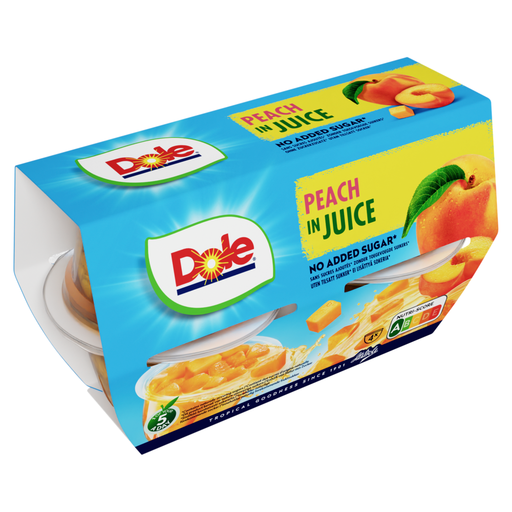 Image unavailable
The four separate pots suit mornings when you want a defined portion without opening a tin. If reducing added sugar is your priority, check the current claim, sugars per 100g and whether the ingredients include sweeteners.
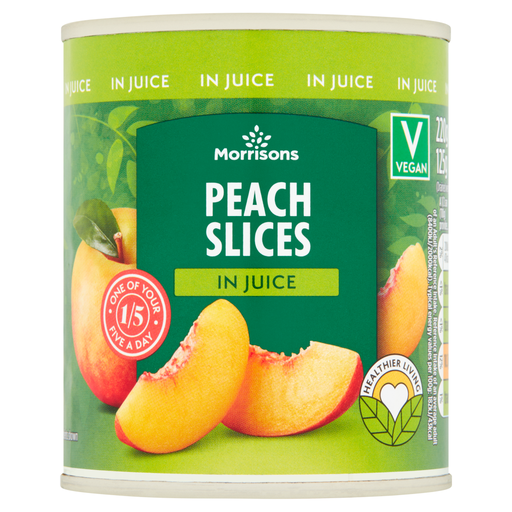 Image unavailable
This smaller tin may fit a breakfast where a standard tin would leave more fruit to store. Check the drained weight for the amount of peach, and read the current label before treating it as a no-added-sugar option.
 Image unavailable
Choose this format if peach halves in a standard tin suit the breakfasts you plan to prepare. Compare drained weight with other tins, and check the current ingredients and claim if avoiding added sugar is important to you.
 Image unavailable
Chunks offer a different serving format from pineapple slices for a yoghurt or fruit breakfast. Check the pack for drained weight and any no-added-sugar claim, then plan how you will store fruit left after opening.
No. Tesco Groceries lists Nature's Finest Peach in Juice as “No Added Sugar” while also describing its sugars as naturally occurring. Read sugars per 100g on the nutrition label if total sugars matter to your choice.
If reducing added sugar is your priority, start with fruit in natural juice or water and check for no added sugar. That follows NHS advice for canned fruit; “light syrup” describes a different packing medium and is not a substitute for checking the ingredients.
For tins, compare drained weight to see how much fruit you get rather than relying on total weight, which includes liquid. GOV.UK guidance requires drained net weight for solids packed in liquid. Then consider the portion size and follow each product's instructions for storing leftovers.
Ask a pharmacist or doctor whether grapefruit affects your particular medicine before making it a regular breakfast food. Collingwood Health Group NHS Practice warns that grapefruit can interact with some medicines; do not stop prescribed medicine without medical advice.
Read the ingredients, nutrition information, packing liquid and relevant storage instructions, as well as any no-added-sugar claim. GOV.UK guidance says solid foods packed in liquid must show drained net weight, which helps when comparing how much fruit tins contain.