Budget dessert makers
You want a cupboard ingredient that suits a planned dessert. The fruit variety, cut and amount of fruit matter more to your choice than a premium-sounding label.


For a budget dessert, choose the fruit and shape your dish needs, then check the packing liquid and drained fruit quantity rather than treating a luxury label as a quality grade. The NHS advises choosing canned fruit in natural juice or water with no added sugar or salt for everyday use; light syrup or a prepared fruit filling can suit a deliberately sweet dessert, while a smaller pack may make sense if a large tin would leave unused fruit.
You want a cupboard ingredient that suits a planned dessert. The fruit variety, cut and amount of fruit matter more to your choice than a premium-sounding label.
You use tinned fruit for breakfast, snacks or routine desserts and want to distinguish fruit in natural juice or water from fruit packed in syrup.
You need a portion for one person or a lunchbox, or would rather avoid opening a large tin. Pack format and the instructions for storing opened fruit matter to you.
| Concern | What to check | Who this matters to |
|---|---|---|
| Fruit quantity for a budget dessert | Compare the stated drained weight where available, as well as the fruit cut the dish requires. | If I am making a dessert on a budget, I want enough of the right fruit rather than a tin chosen for its label. About 36% of consumers put that consideration first. |
| Juice or syrup | Read the ingredients to distinguish natural juice or water from syrup; check the nutrition panel for the particular product. | For fruit I use regularly, the packing liquid matters to my added-sugar choice. Roughly 29% of consumers make that their primary concern. |
| Recipe and presentation | Check whether the dish calls for halves, slices, segments or a prepared filling. | When the fruit will be visible in a dessert, I need its shape and flavour to fit the dish. That is the leading need for about 21% of consumers. |
| Portions and leftovers | Check the number of portions and follow the specific pack's instructions after opening. | If I am serving one person or packing a lunchbox, I would prefer a format I can use without leaving fruit behind. Around 14% of consumers prioritise that need. |
A premium-sounding description does not tell you whether the fruit's flavour, cut or packing liquid suits your dessert.
Decide whether the dish needs sharpness, sweetness, intact pieces or fruit prepared for baking, then compare the products on those terms.
Syrup changes the ingredient profile and may be useful in a planned sweet dessert. For everyday canned fruit, the NHS advises choosing natural juice or water with no added sugar or salt.
Read the ingredients and choose the packing liquid for the way you intend to use the fruit.
The stated pack weight includes packing liquid, so tins of similar size need not contain the same amount of fruit.
Check any drained-weight figure and make sure the fruit pieces suit the recipe.
Unused fruit needs to be handled according to its own label. For example, the Del Monte fruit-cocktail pot listed by Ocado instructs users to cover and refrigerate it after opening and consume it within 3–4 days.
Choose a pack size that fits your servings and follow that product's storage instructions.
Offers fruit in juice alongside other packing liquids and portioned formats.
Has both juice-packed fruit and fruit intended for sweet dessert preparation.
Its tinned-and-pot-fruit category brings together own-label products and other brands.
Features distinctive flavours, including grapefruit segments and rhubarb chunks.
These selections cover fruit in juice, mango in light syrup and prepared fruit fillings for desserts. Choose the format for your dish, then check the pack details.
 No image available
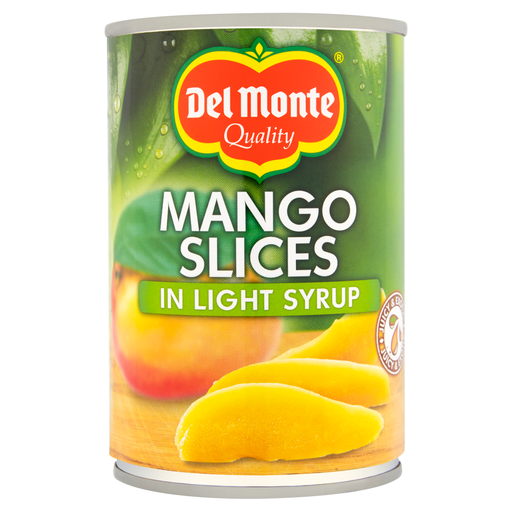
Consider this sliced mango when a planned dessert calls for mango and a sweet packing liquid. It is packed in light syrup, so it is a different choice from fruit in natural juice.
 No image available
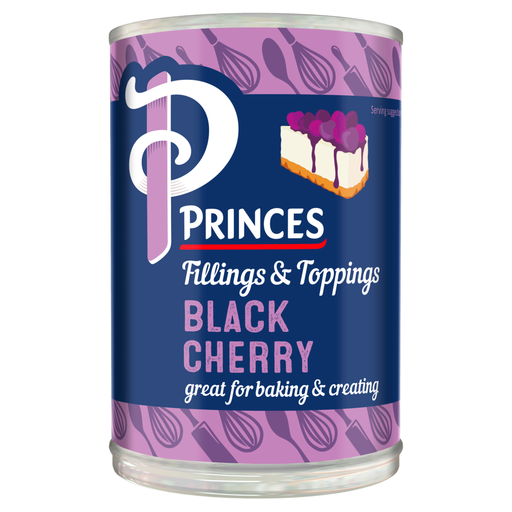
Choose a fruit filling rather than plain tinned fruit if the dessert calls for a prepared cherry component. The product information warns that cherry stones may be present; check the packaging before serving.
 No image available
The pineapple slices give you a recognisable fruit shape for a dessert or fruit salad. They are packed in juice rather than syrup; follow the can's instructions for any fruit left after opening.
 No image available
Pear halves suit a dish that calls for larger fruit pieces rather than a prepared filling. This variant is packed in juice; check the label for the packing-liquid ingredients and instructions after opening.
 No image available
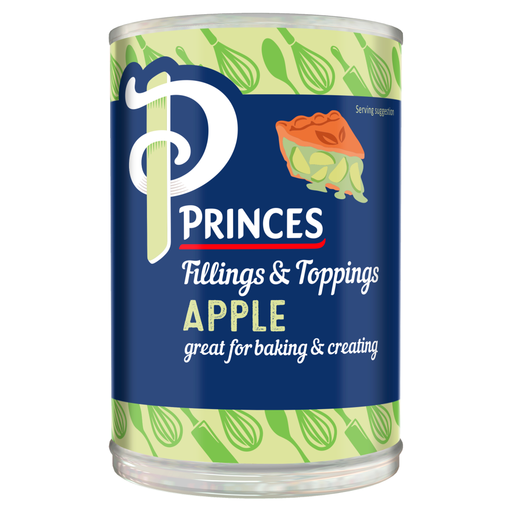
Consider this prepared apple filling for a dessert that needs a filling rather than separate fruit pieces. It is not the same format as fruit packed in natural juice; check its ingredients against your recipe.
Yes. The NHS says 80g of canned fruit counts as one portion and advises choosing fruit in natural juice or water with no added sugar or salt.
Choose by the dish and how you plan to use the fruit. The NHS advises natural juice or water with no added sugar or salt for everyday canned fruit; light syrup may suit a deliberately sweet recipe, such as the baking and trifle uses Princes describes for its strawberries in light syrup. Check the individual ingredients.
Check the ingredients, quantity and date information, as well as any drained-weight and storage instructions relevant to your choice. UK government food-labelling guidance from the Department for Environment, Food & Rural Affairs and the Food Standards Agency addresses ingredients, including allergens, net quantity and date labelling for pre-packed food.
Follow the instructions on the particular product. The Del Monte fruit-cocktail pot listed by Ocado says to cover and refrigerate it after opening and consume it within 3–4 days; that period should not be assumed for every tin or pot.