Shared-meal bulk buyers
If one tin will supply breakfasts, desserts or baking, look at how much fruit it contains after draining and whether the remainder can be used within the label’s opened-storage period.


Choose larger tins when several people will use the fruit within the product’s opened-storage period; compare drained weight rather than assuming the whole tin is fruit. Individual portions suit lunches or occasional use, while a particular fruit, cut or packing medium may matter more for a planned dish. Check the exact label before buying multiples, as tins of similar total weight can contain different amounts of fruit.
If one tin will supply breakfasts, desserts or baking, look at how much fruit it contains after draining and whether the remainder can be used within the label’s opened-storage period.
For lunches, snacks or occasional use, separately sealed portions can make more sense than opening a large tin. Tesco and Sainsbury’s list fruit snack multipacks alongside conventional tins.
For a particular dessert or cupboard selection, choose the fruit and cut needed for the dish, then check its packing medium and ingredient list. Marks & Spencer lists options including rhubarb chunks and grapefruit segments.
For a bulk cupboard purchase, decide how the fruit will be used before choosing the pack size. Tesco and Sainsbury’s product listings show why drained weight, portion format and the exact fruit can change that decision.
| Concern | What to check | Who this matters to |
|---|---|---|
| Usable fruit for shared meals | Compare drained weight with total tin weight, then check the opened-storage instruction. | If one tin needs to cover several servings, I want enough fruit for the dish without leaving more than I can use. About 40% of consumers put usable shared quantity first. |
| Individual portions | Check the number of separately sealed portions and the amount in each. | For a packed lunch or occasional snack, opening only one portion matters more to me than having a larger tin ready. About 30% of consumers prioritise individual portions. |
| Fruit and packing medium | Match the fruit and cut to the dish; read the ingredient list to distinguish juice from syrup or light syrup. | When I have a particular dessert in mind, the right fruit, cut and liquid matter more than tin size. Roughly 30% of consumers make that their primary concern. |
The liquid counts towards total weight. Tesco lists its 410g peach slices at 250g drained and Princes 432g pineapple chunks at 260g drained.
Use drained weight to plan the amount of fruit for a recipe or shared serving.
Fruit type, juice and other ingredients vary between products. Sainsbury’s notes that the juice used for its listed Del Monte fruit cocktail can vary by season.
Read the current ingredient list for the exact tin, especially when the liquid or fruit mix matters to a dish.
Opened-storage instructions differ: Tesco’s listed peach slices say to consume refrigerated leftovers within two days, while Sainsbury’s listed Del Monte fruit cocktail specifies three to four days.
Choose a tin size you can use within its own on-pack instructions, or consider separately sealed portions.
Otherwise, unused fruit may have to be discarded.
Health Well’s food-safety guidance warns that a deep dent can conceal a split, hole or break in the seal.
Avoid deeply dented tins and check for other signs of damage before purchase.
These ranges offer points of comparison for fruit type, cut and label details; a brand name alone does not establish the contents of a particular tin.
A branded range represented in Sainsbury’s listings by fruit cocktail and other tinned fruits.
A conventional tinned-fruit option, including pineapple and other formats listed by Tesco.
An own-label option for comparing conventional fruit tins with branded products.
An own-label range listing fruits including peaches, apricots, pears and grapefruit.
A narrower selection to consider when a particular fruit, such as rhubarb or grapefruit, is needed.
These selections cover six-can packs for repeat cupboard use and single pineapple tins for a planned shared dish. Choose the fruit and pack format first, then check each tin’s drained weight and opened-storage directions where those details affect your plans.
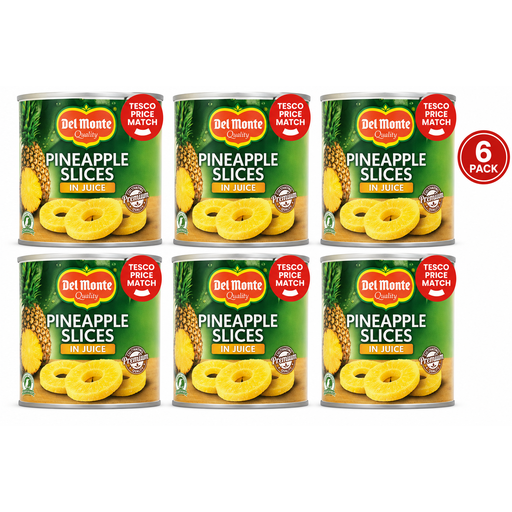 Image unavailable
Consider this six-tin pack when pineapple slices in juice will be used across several meals or recipes. Each tin is labelled 435g; check its drained weight and opened-storage directions when planning quantities.
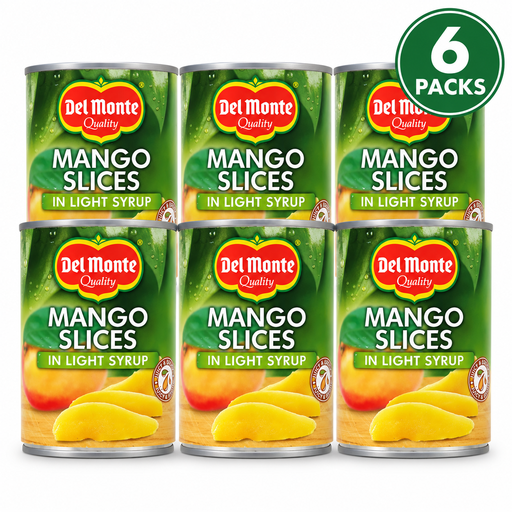 Image unavailable
This six-tin format fits repeat use when sliced mango is the fruit needed for a dish. Each tin is labelled 425g and packed in light syrup, so check that the liquid suits the intended serving and read the drained weight on the pack.
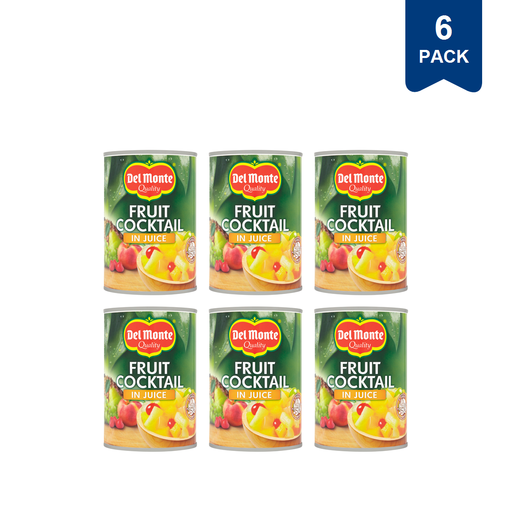 Image unavailable
A six-tin choice for repeat use when mixed fruit in juice suits the planned servings. Each tin is labelled 415g; check the current fruit mix and drained weight if the proportions or usable quantity matter.
 Image unavailable
This single tin suits a recipe calling for pineapple chunks without committing to a multipack. It is labelled 432g; Tesco lists the matching Princes product at 260g drained and instructs shoppers to refrigerate leftovers and use them within two days. Follow the current tin’s directions.
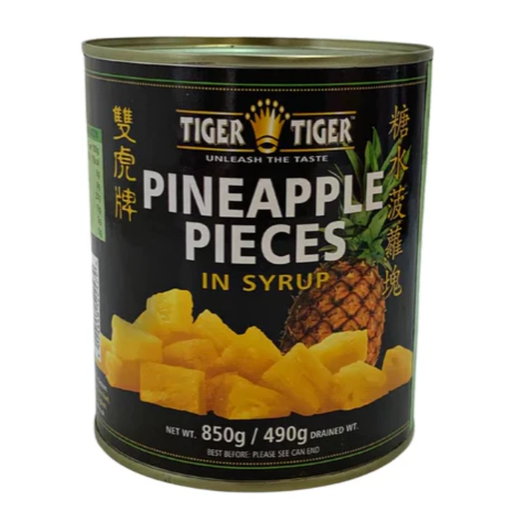 Image unavailable
Consider this single 830g tin when a dish calls for pineapple pieces and a larger total pack size. Check the drained weight to establish how much fruit is available, along with the packing medium and opened-storage instructions on the tin.
Use drained weight to estimate the fruit available for serving or cooking; total tin weight includes liquid. Tesco lists 410g peach slices at 250g drained and 432g Princes pineapple chunks at 260g drained, so similar-sized tins need not yield the same quantity.
Not for every dish or shopping need. Choose the fruit and packing medium that fit your intended use, then compare the exact ingredient lists and nutrition declarations rather than treating either format name as a complete description.
Follow that product’s storage label. The Tesco and Sainsbury’s products cited here direct shoppers to transfer unused contents to a suitable container and refrigerate them, but their stated periods for using the remainder differ.
Avoid a deeply dented tin: Health Well’s food-safety guidance says a deep dent can conceal a split, hole or break in the seal. It distinguishes shallow denting with no other obvious damage, so inspect the whole tin rather than judging the dent alone.
Check the marking on the particular tin and follow its storage instructions. GOV.UK explains that a use-by date concerns safety, while a best-before date concerns quality; the manufacturer determines which marking applies to its product.