Choose a larger tin or multipack of tins when the fruit can be shared or used within the storage period on each opened can; choose sealed portion pots when only one serving is needed at a time. For everyday fruit intake, compare fruit in juice or water and check the ingredients for added sugar or salt. Tinned fruit is not a complete response to poor appetite or weight loss, and swallowing difficulty calls for individual clinical advice rather than a choice based on how soft the fruit looks.
Who is choosing fruit?
Older adults planning everyday fruit
For someone who chews and swallows normally, tinned fruit can be a cupboard option for regular servings. The NHS counts 80g of canned fruit as one 5 A Day portion; check the packing liquid and ingredients when choosing a product.
Carers planning portions and leftovers
A carer choosing between a shared tin and sealed pots needs to consider how many servings will be used after opening. The Tesco and M&S products described below illustrate why the individual pack's refrigeration instructions matter.
Older adults with a small appetite or swallowing concerns
Fruit may be one part of a meal or snack, but NHS guidance on poor intake emphasises nourishing foods containing energy and protein. University Hospitals Sussex NHS Foundation Trust notes that swallowing ability varies between people, so ordinary fruit pieces should not be assumed suitable for an individual swallowing plan.
What matters when buying?
Start with the person's eating and swallowing needs, then choose a packing liquid and pack size that fit the planned servings.
| Concern |
What to check |
Who this matters to |
| Nourishment with a small appetite |
Check energy and protein per serving, and whether the fruit will accompany other suitable foods. |
If I am serving someone who eats little or is losing weight, fruit cannot take the place of the rest of a nourishing meal or snack. About 29% of consumers put adequate nourishment first. |
| Packing liquid |
Read the packing-liquid description and ingredients for added sugar or salt; compare the amount of fruit in a serving. |
For everyday fruit servings, I want to know what comes with the fruit, not choose by its name alone. Choosing juice- or water-packed fruit is the primary concern for about 29% of consumers. |
| Portions and leftovers |
Compare pack format and drained weight, then read the exact after-opening storage instructions. |
If one person will eat just a small serving, an opened large tin could leave more fruit than they can use in time. Managing portions and leftovers comes first for about 24% of consumers. |
| Chewing and swallowing |
Check the fruit's form against any individual texture advice; seek clinical advice if swallowing is difficult. |
When fruit pieces or liquid are difficult to swallow, I cannot judge suitability from a picture or a description such as soft. About 18% of consumers place chewing and swallowing safety first. |
Mistakes to avoid
-
Choosing by fruit or brand name alone
Juice-, water- and syrup-packed products have different ingredients. A familiar fruit or brand does not tell you which packing liquid the particular product uses.
Read the packing-liquid wording, ingredients and nutrition panel on the exact product, especially if you are avoiding added sugar or salt.
-
Opening a large tin without a serving plan
A larger tin is practical only when its contents can be shared or used according to the label after opening. Tesco's cited pear-and-peach pots and M&S's cited grapefruit segments each specify refrigeration and use within two days, though other products may differ.
Match pack size to planned servings and follow the instructions on the tin or pot you buy.
Fruit left after its stated storage period may go to waste.
-
Relying on fruit alone when appetite is poor
Tinned fruit can be part of a snack, but it does not replace the energy- and protein-containing foods emphasised in NHS guidance for poor intake.
Plan the whole meal or snack around the person's dietary advice. Seek advice from a GP or dietitian for unintentional weight loss or concerns about malnutrition.
-
Assuming soft-looking fruit is suitable for swallowing difficulty
Pieces and liquid in an ordinary tin may not match the texture an individual needs. University Hospitals Sussex NHS Foundation Trust notes that swallowing ability differs from person to person.
If swallowing is difficult, contact a GP and follow any advice from a speech and language therapist or dietitian before choosing a fruit texture.
Brands to compare by product
Princes
Princes lists peach slices with juice in 410g and 220g formats, as well as pear halves with juice.
- Its product pages provide ingredients and nutrition details for those named fruits.
- Check each variant separately; these listings do not establish suitability for someone with swallowing difficulty.
Tesco
Tesco Pear and Peach Pieces come in a 4 × 120g pot format, with 75g drained weight per pot.
- The product listing provides portion, nutrition and after-opening storage details for comparing sealed pots with tins.
- It lists 0.2g protein per 120g pot, so this product should not stand alone as a protein-containing snack for someone eating little.
Del Monte
The Tesco tinned-fruit listing includes Del Monte mandarins, peaches and prunes in juice or syrup formats.
- The listed formats give shoppers different fruits and packing liquids to compare.
- Read the individual label rather than assuming every Del Monte product has the same ingredients, nutrition or texture.
M&S
M&S lists 540g grapefruit segments in grapefruit juice.
- The product page gives ingredients, nutrition and after-opening instructions.
- Its instructions call for transfer to a non-metallic container, refrigeration and use within two days after opening; check the label of any other product separately.
Joybuy tins, multipacks and fruit pots
These options cover six-packs of tins for planned servings, single cans for a smaller cupboard purchase, and sealed fruit pots for serving one portion at a time.
 No image available
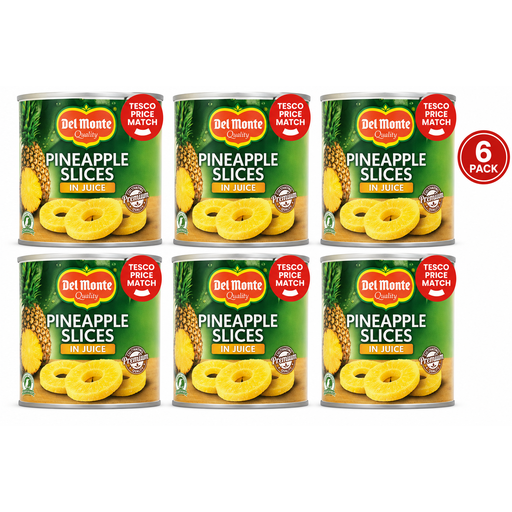
Del Monte Pineapple Slices in Juice 435g, 6 cans
The six-can pack suits planned servings where several cans will be used over time. These are individual cans, not single-serving pots; plan for leftovers whenever a can is opened.
View on Joybuy
 No image available
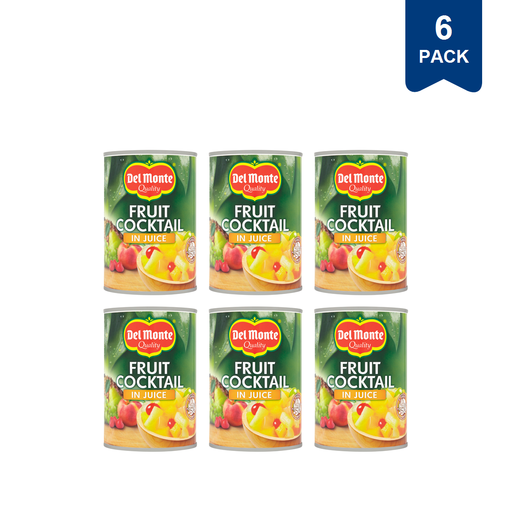
Del Monte Fruit Cocktail in Juice 415g, 6 cans
This six-can format offers mixed fruit in juice for planned servings. It is a multipack of cans rather than individually sealed single portions, so check the storage instructions for each opened can.
View on Joybuy
 No image available
Del Monte Peach Halves in Juice 415g
This single can suits a planned serving of peach halves without buying a multipack. Check that the contents can be used according to the label once opened; the halves are not automatically suitable for a prescribed swallowing texture.
View on Joybuy
 No image available
Del Monte Pear Halves in Juice 415g
This single can offers pear halves in juice rather than a bulk multipack. Plan how to use any leftovers after opening, and follow individual texture advice if the person has difficulty swallowing.
View on Joybuy
 No image available
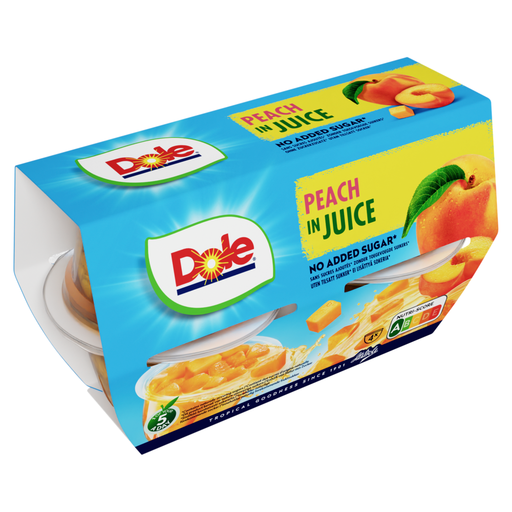
Dole Peaches in Juice, 4 × 113g pots
Four sealed pots suit someone who wants to open one portion at a time instead of a large tin. The product information identifies steviol glycosides, so check the full ingredients if avoiding sweeteners matters.
View on Joybuy
Questions about tinned fruit
Does tinned fruit count towards 5 A Day?
Yes. The NHS says 80g of canned fruit counts as one 5 A Day portion. For everyday shopping, compare fruit in natural juice or water and check the ingredients for added sugar or salt.
Is a bulk tin enough for an older person with a poor appetite?
No. Fruit can be part of a meal or snack, but NHS guidance for poor intake emphasises foods containing energy and protein. Seek advice from a GP or dietitian if there is unintentional weight loss or concern about malnutrition.
How long can opened fruit be kept?
Follow the instructions on the individual product. Tesco says its pear-and-peach pots should be refrigerated after opening and used within two days; M&S says its grapefruit segments should first be transferred to a non-metallic container, then refrigerated and eaten within two days. Those instructions should not be assumed to apply to every tin or pot.
Can someone with swallowing difficulty have ordinary tinned fruit?
Do not choose ordinary fruit pieces solely because they look soft. Swallowing needs vary, as University Hospitals Sussex NHS Foundation Trust explains; the NHS advises contacting a GP about swallowing difficulty and following any individual advice from a speech and language therapist or dietitian.


