Households planning shared servings
Larger tins can suit breakfasts, puddings or cooking when several people will use the fruit. Check the drained weight and make a plan for anything left after opening.


Choose a larger tin when you have a plan to use its contents within the period stated on its label; a smaller tin or portion multipack can make more sense when leftovers are likely. Check drained weight as well as pack size, and choose the packing medium deliberately: NHS guidance favours tinned fruit in natural juice or water with no added sugar or salt where possible.
Larger tins can suit breakfasts, puddings or cooking when several people will use the fruit. Check the drained weight and make a plan for anything left after opening.
A small tin or individually packed portions may be easier to finish. Sainsbury's peach-tin labels illustrate why size matters: their after-opening instructions differ between the 213g and 411g versions.
Peaches and other fruits can be sold in juice or syrup. If the liquid matters to your choice, follow the NHS preference for natural juice or water with no added sugar or salt where possible, and check the exact product label.
Start with how much fruit you can use after opening, then consider the packing liquid and whether separate portions fit your routine.
| Concern | What to check | Who this matters to |
|---|---|---|
| Opened-tin waste | Check the serving count and the exact label's refrigeration and use-within instructions. | If several of us share a tin, I want enough fruit without leaving some to spoil. About 33% of consumers put using opened contents first. |
| Juice or syrup | Read the packing-medium description, ingredients and nutrition information on the exact product. | I want to know what liquid the fruit is packed in before stocking it. For about 27% of consumers, that label choice is the primary concern. |
| Pack format and yield | Check the number and size of individual cans or portions, and compare drained weights where stated. | When I stock several portions, I need to know how much fruit each one contains. Separate-pack quantities come first for about 20% of consumers. |
| Fruit and cut | Match slices, halves, chunks or mixed fruit to planned meals; check any product-specific safety statement. | I keep fruit for particular breakfasts or recipes, so the type and cut determine what I pick. About 20% of consumers put intended use first. |
Total weight includes the packing liquid, so two similarly sized tins need not contain the same quantity of fruit.
Compare drained weights on a like-for-like basis, then check whether the fruit type and packing medium suit your plans.
Opening changes the storage requirements. Sainsbury's 411g peach slices say to transfer the contents to a non-metallic container, refrigerate and use within two days; its 213g version says within one day.
Follow the instructions on your own tin, and choose a size you can finish within its stated period.
Retailer listings include peaches in both juice and light syrup. The fruit name alone does not tell you which liquid or ingredients you are buying.
Check the ingredients and nutrition panel when switching products. NHS guidance favours tinned fruit in natural juice or water with no added sugar or salt where possible.
A branded range with tinned peaches, pineapple and mixed fruit among its listed products.
A branded cupboard-food range that includes peaches and other fruit products.
An own-label option spanning standard tins and smaller portion formats.
An own-label range with different peach-tin sizes for individual and shared use.
An own-label tinned-fruit range presented by M&S for store-cupboard use.
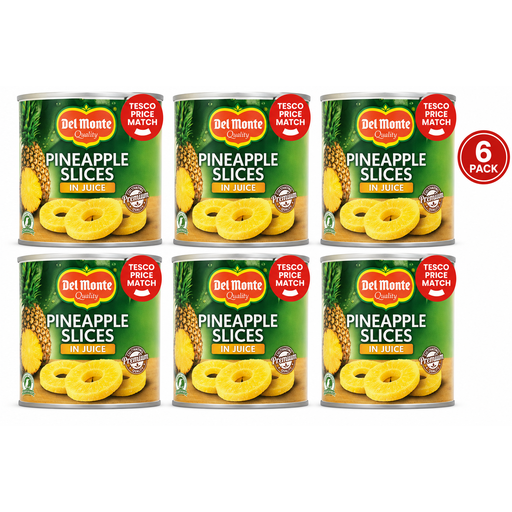
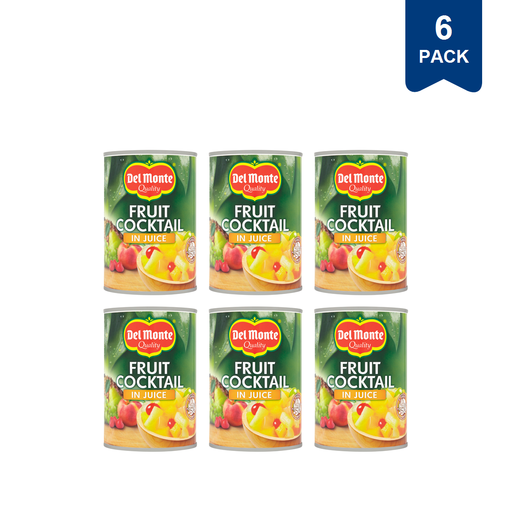
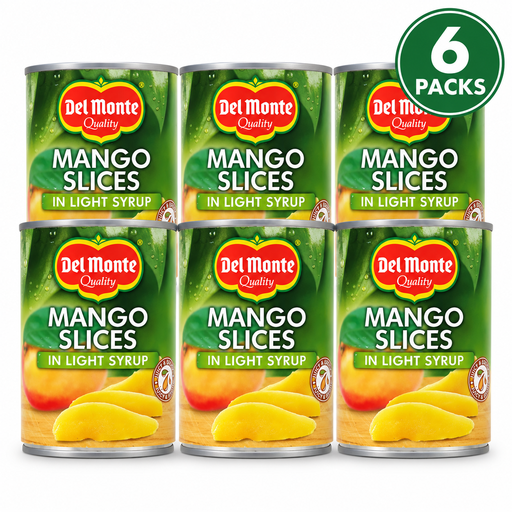
These selections are standard-size tins, including two six-can packs of fruit in juice and a six-can pack of mango in light syrup. Choose by fruit, packing medium and the amount you expect to use after opening.
 No image available
Six separate cans suit pantry stocking when pineapple slices feature in several planned meals. Check the drained weight per can to compare fruit quantities, and follow the label after opening.
 No image available
This pack provides separate cans of mixed fruit for planned servings. If the fruit mix or ingredients matter to you, check the current label; use drained weight when comparing it with other tins.
 No image available
A single standard-size tin suits a planned use for peach halves without committing to several cans. Check its drained weight and the instructions for refrigerating any unused fruit.
 No image available
Consider this six-can pack if you specifically want mango in light syrup and have uses planned for the separate tins. It is a different packing-medium choice from the natural juice or water favoured by NHS guidance; check the ingredients on the label.
 No image available
A single tin of chunks may suit a recipe or shared serving where slices are not needed. Plan to refrigerate any unused contents and check the tin's use-within instruction.
Follow the storage directions and best-before date on the particular tin. Sainsbury's peach-tin guidance specifies a cool, dry place before opening; once opened, its contents require different handling.
If the packing medium is your priority, NHS guidance favours tinned fruit in natural juice or water with no added sugar or salt where possible. Read the ingredients and nutrition information on the exact tin rather than assuming that every juice-packed product has the same composition.
Use the period stated on that product's label. For example, Sainsbury's says to transfer opened peach slices to a non-metallic container and refrigerate them, using its 411g version within two days and its 213g version within one day.
The NHS says tinned or canned fruit can count towards 5 A Day and advises choosing fruit in natural juice or water with no added sugar or salt where possible. Check the serving information on the product you buy.