
24/7 Customer Support

Free returns

Same-day & Next-day Delivery

Quality Guaranteed

Unlock Your Welcome Offers: FREE Delivery | Up to 80% OFF | Free 30-day JoyPlus trial
Download the APP
Tinned fruit is a practical cupboard staple for UK households, but the product that looks like the cheapest or most generous option may not offer the best value for your recipe. Labels can make different tins appear similar even when the fruit content, liquid, drained weight and storage instructions vary considerably.
Whether you need fruit for desserts, a quick breakfast topping or a convenient ingredient for Asian cooking, check these common pitfalls before adding a product to your basket.
A tin may contain 400g or more, but part of that figure is usually syrup or juice. Drained weight tells you how much fruit remains after the liquid is removed. This matters when comparing tinned peaches, pears or pineapple for a recipe.
For example, Del Monte Sliced Mango in Light Syrup is listed at 425g, with a drained weight of 230g. A smaller-looking pack could therefore contain a similar amount of usable fruit if it has less liquid.
Fruit in juice can provide a lighter-tasting alternative to fruit in syrup, but always read the ingredients and nutrition panel. Some products use clarified juice from concentrate, while fruit in syrup contains added sugar, water and fruit.
The liquid also affects how you use the product. Juice can be added to smoothies or desserts, whereas syrup may be useful in sweet soups, cocktails or sauces but can make a dish noticeably sweeter.
Tinned fruit is convenient before opening, but it is not designed to remain in the opened can for several days. Transfer unused contents to a sealed, non-metallic container, refrigerate and follow the pack’s stated consumption period. Depending on the product, this may be two, three or four days.
Check cans and jars before opening. Do not use products that are swollen, leaking or badly damaged, and follow any stone or choking warnings where relevant.
Choose the cut according to the job:
For a convenient pantry fruit, ambient tins and jars are easy to store. Frozen fruit, such as mango chunks or summer berries, can offer a different texture and requires freezer space and reliable cold storage.
Compare the ingredients list and nutrition information per 100g rather than relying only on front-of-pack wording. Fruit in juice may suit shoppers wanting a less syrupy option, while fruit in syrup provides a sweeter finish for trifles, shaved ice and sweet soups.
Products also vary in the amount of fruit they contain. A tin of lychees or longans may list the fruit percentage, allowing you to compare products more fairly.
For regular family use, larger packs can reduce the need for repeated shopping, but only if the household will use the contents within the recommended refrigerated period. Smaller tins can reduce waste for occasional dessert makers.
Read the full allergen statement, including “may contain” warnings. For example, AROY-D Coconut Meat Young in Syrup contains coconut and may contain traces of soy, wheat, peanuts and tree nuts. Always check the current packaging, particularly if buying for someone with an allergy.

Why This Fits Their Persona: A mixed fruit option for shoppers who want one cupboard tin for snacks, breakfasts and simple desserts rather than buying several separate fruits.
It is packed in clarified pineapple juice rather than syrup, helping shoppers identify the liquid type clearly before buying.
Contains peaches, pears, pineapple, grapes and cherries; ready to eat with 49 kcal per 100g as listed.
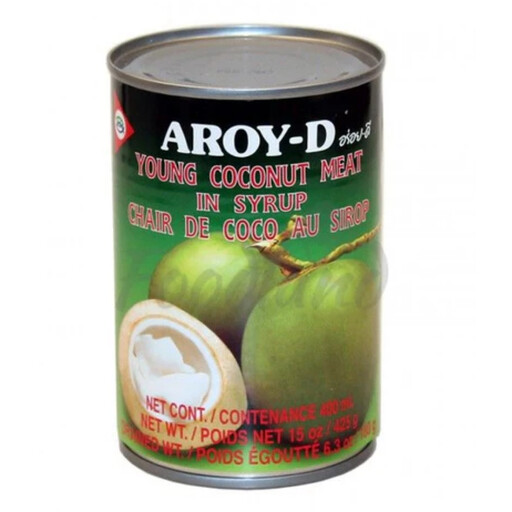
Why This Fits Their Persona: A focused choice for cooks who want young coconut meat for South-east Asian desserts, smoothies, curries or rice dishes.
The ingredient list identifies young coconut meat, sugar, water and preservative E202, so the product is not presented as fresh coconut.
425g pack; ready to eat or cook with; provides a soft coconut texture without peeling or preparation.

Why This Fits Their Persona: A freezer-friendly option for families and frequent smoothie, porridge, baking and dessert makers who use fruit several times a week.
It is a frozen fruit mix rather than a syrup-packed tin, with strawberries, redcurrants, raspberries, blueberries and blackberries listed as ingredients.
430g bag; vegan-friendly according to the supplied product information; suitable for smoothies, baking and toppings.
We have compiled a complete, real-time list of products that fully satisfy these strict selection criteria and UK safety regulations.
It depends on the fruit, pack size and drained weight. Tinned fruit can reduce waste because it stores for longer unopened and is ready to use, while frozen fruit may be economical for seasonal varieties. Compare the price per 100g of drained fruit where that information is available.
Follow the product label. Many products should be transferred to a covered container, refrigerated and eaten within two to four days. Products differ, so do not assume every tin has the same storage period.
Fruit in juice may have a less sweet liquid, while fruit in syrup is designed to provide additional sweetness. Neither should be selected solely from the front label: check the ingredients, sugar values, fruit percentage and intended use before buying.