
24/7 Customer Support

Free returns

Same-day & Next-day Delivery

Quality Guaranteed

Unlock Your Welcome Offers: FREE Delivery | Up to 80% OFF | Free 30-day JoyPlus trial
Download the APP
By Joybuy Product Recommendation Officer
Tinned fruit can be a practical cupboard staple for breakfasts, desserts, packed lunches and quick snacks. It is also easy to buy the wrong format. A large tin may look economical but leave too much fruit after opening, while a brightly labelled product may contain more syrup than fruit. Some products also require freezer space or careful storage, which can make them less convenient than expected.
This guide explains the details worth checking before buying tinned fruit, canned fruit, dried fruit or frozen fruit for a UK household.
Fruit packed in juice and fruit packed in syrup are not interchangeable. Fruit in juice generally contains fruit juice rather than a sugar syrup, while fruit in syrup includes added sugar as part of the preserving liquid. Compare the nutrition panel, particularly carbohydrate and sugars per 100g, rather than relying only on phrases such as “light syrup” or “naturally sweet”.
For example, Del Monte Fruit Cocktail in Juice 415g lists 49 kcal and 11g of sugars per 100g. By comparison, Princes Pear Halves in Syrup 410g lists 65 kcal and 15g of sugars per 100g. These figures are product-specific, so always check the current packaging before purchase.
The liquid contributes to the stated net weight, but it is not the same as the amount of fruit you will eat. Check the drained weight when it is provided. Del Monte Pineapple Slices in Juice 435g has a drained weight of 260g, while Del Monte Peach Halves in Juice 415g has a drained weight of 235g.
A smaller tin can be more suitable for one or two people if it reduces leftovers. Larger packs may make sense for families, baking or batch preparation, but only if the fruit will be used within the recommended refrigerated period after opening.
Ambient tinned fruit is convenient before opening, but dried and frozen fruit need different handling. Frozen strawberries, summer fruits and mango chunks require freezer space and must not be refrozen after thawing. Dried fruit is shelf-stable when unopened but should be resealed after opening to help maintain texture.
Also inspect tins before use. Avoid cans that are swollen, leaking, badly dented or heavily rusted, and handle opened tins carefully because the edges can be sharp.
Look for the order of ingredients. A simple fruit-in-juice product may list fruit, juice and an acidity regulator. Fruit in syrup generally lists fruit, water and sugar. Products such as Aroy-D Rambutan in Syrup 565g also include a preservative, so review the full ingredient list if you have specific dietary requirements.
For vegan and vegetarian households, check the label rather than assuming every fruit product is suitable. Several options in this range list no major allergens, but manufacturing statements and recipes can change.
For snacks or individual breakfasts, 220g tins such as Morrisons Peach Slices in Juice may be easier to finish than a 565g tropical fruit tin. For desserts and family recipes, 410g–435g tins provide more fruit without requiring preparation such as peeling or chopping.
Use the nutrition information per 100g to compare products consistently. Where possible, also consider the stated serving size, especially for dried fruit, which is more concentrated in calories and sugars by weight because water has been removed.
Transfer unused tinned fruit to a suitable non-metallic, covered container and refrigerate it. The recommended period varies: some products advise using leftovers within two days, while others specify three to four days. Follow the product label rather than applying one rule to every tin.
Frozen fruit should remain at -18°C or below, unless the packaging states otherwise. Dried fruit should be kept in a cool, dry place and resealed after opening.

Why This Fits Their Persona: A mixed-fruit option for shoppers building a flexible cupboard with one tin for snacks, breakfasts and simple desserts.
It is packed in clarified pineapple juice rather than syrup, and its 415g size is suitable for sharing or planned use.
Includes peaches, pears, pineapple, grapes and cherries; ready to eat and stores in a cool, dry place before opening.

Why This Fits Their Persona: Suits cooks who want recognisable slices for presentation, baking, fruit salads or dessert toppings.
The product details state both net weight and 260g drained weight, making the usable quantity easier to assess.
Sliced format; ingredients list pineapple and pineapple juice; recyclable steel can.
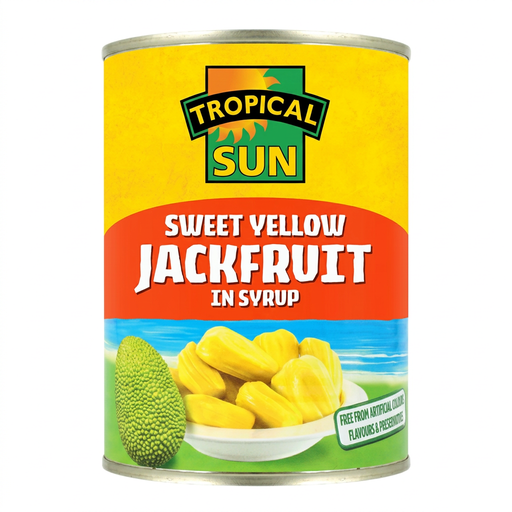
Why This Fits Their Persona: A larger tropical fruit tin for family desserts, fruit salads and recipes that need a distinctive texture.
The 565g format is clearly positioned for larger recipes, while the label identifies syrup and sugar so shoppers can make an informed choice.
Ready to eat; suitable for desserts, yoghurt, ice cream and baking; product of Thailand.

Why This Fits Their Persona: Useful for households that prefer frozen fruit for smoothies, breakfast bowls, desserts and flexible portioning.
It avoids opened-tin leftovers, but shoppers must have freezer capacity and follow the instruction not to refreeze after thawing.
500g pack of frozen mango chunks; listed as 100% frozen chopped mango; suitable for smoothies and recipes.
We have compiled a complete, real-time list of products that fully satisfy these strict selection criteria and UK safety regulations.
Most tinned fruit is ready to eat once opened, although draining or chilling may improve the texture. Check the label for preparation instructions, particularly for products in syrup or fruit intended for recipes.
This depends on the product. Transfer leftovers to a covered, non-metallic container, refrigerate promptly and follow the stated period, which may be two, three or four days. Do not store opened fruit in the original tin.
It can contain less sugar, but this is not guaranteed. Compare the nutrition panels per 100g. Fruit naturally contains sugars, and the juice or syrup adds to the total depending on the recipe. Dried fruit is also concentrated, so portion size matters when comparing it with fresh, frozen or tinned fruit.