
24/7 Customer Support

Free returns

Same-day & Next-day Delivery

Quality Guaranteed

Unlock Your Welcome Offers: FREE Delivery | Up to 80% OFF | Free 30-day JoyPlus trial
Download the APP
Tinned fruit is a practical cupboard staple for UK households. It can provide ready-to-eat fruit for breakfast, packed lunches, desserts, smoothies and quick recipes without relying on fresh produce being in season.
However, the front of a tin does not always tell the full story. Fruit described as “light” may still contain added sugar, while a large tin may provide less fruit than expected once the syrup or juice is drained. Use this guide to compare ingredients, nutrition, drained weight and pack size before buying.
Fruit in juice can contain naturally occurring sugars from the fruit and juice used for preservation. Fruit in syrup normally contains added sugar, which is listed in the ingredients and contributes to the carbohydrate and sugar values.
“Light syrup” does not mean sugar-free. Compare the sugars per 100g and check whether the nutrition panel refers to the fruit as sold or the drained fruit.
A 565g tin may include a substantial amount of liquid. The net quantity shows the full contents, while the drained weight indicates approximately how much fruit remains after the liquid is removed.
This matters when planning fruit for desserts, family servings or recipes. A smaller tin with a higher fruit-to-liquid ratio may provide more usable fruit for a particular dish.
Ingredients can vary considerably between tinned peaches, tinned pears, tinned mango and tropical fruit. Some products contain sugar, preservatives, acidity regulators or added colours. Fruit cocktail, for example, may contain coloured cherries.
If you follow a vegan, vegetarian or allergen-aware diet, read the current packaging rather than relying only on the product title or a previous listing. For young children, inspect fruit carefully for stones, seeds or firm pieces and follow the preparation guidance on the pack.
For fruit in juice, look for fruit and fruit juice or juice from concentrate. For fruit in syrup, sugar and water are commonly included. Acidity regulators such as citric acid help control flavour and stability, while some tropical products may also contain preservatives.
A short ingredients list is easier to assess, but it does not automatically indicate lower sugar or higher fruit content. Use the ingredient list alongside the nutrition table.
The UK nutrition panel allows more useful comparisons when products come in different sizes. Check:
For example, Del Monte Peach Halves in Juice 415g lists 50 kcal and 11g carbohydrate per 100g, while Del Monte Peach Slices in Light Syrup 420g lists 64 kcal and 15g carbohydrate per 100g. These figures are product-specific, so check the label at the time of purchase.
Choose a smaller 220g or 390g pack if one or two people will eat the fruit quickly. Larger 410g–432g tins can suit family desserts or recipes, while 565g tropical fruit tins are useful when several portions are needed.
After opening, transfer unused contents to a suitable non-metallic container, cover and refrigerate. Use the period stated on the packaging; several products in this range specify two to four days, while some jarred products may have different instructions. Never use a swollen, leaking or badly damaged tin.

Why This Fits Their Persona: The compact 220g format suits smaller households, occasional snackers and shoppers who want to avoid opening a large tin.
The listing provides a stated drained weight of approximately 125g–130g, helping shoppers judge usable fruit rather than relying only on the 220g total.
Fruit is packed in clarified grape juice from concentrate; the product is listed as gluten-free and suitable for vegans.

Why This Fits Their Persona: Peach halves offer a neat presentation for plated desserts, pavlovas, tarts and breakfast bowls where appearance and portion control matter.
It is packed in clarified pineapple juice rather than syrup, and the stated drained weight is 235g, making the liquid-to-fruit ratio easier to assess.
The pack contains 415g and lists 50 kcal per 100g, with no fat or saturates shown in the supplied nutrition information.
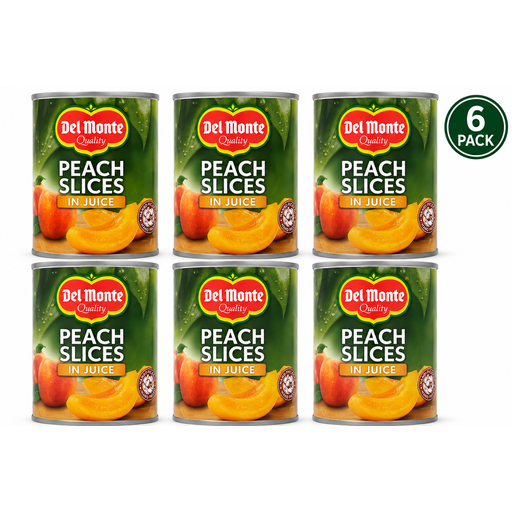
Why This Fits Their Persona: A six-pack supports family breakfasts, catering, lunchboxes and repeated use in fruit salads or fruit for desserts.
The ingredients identify the fruit mix and clarified pineapple juice, so buyers can see that cherries contain colour E127 rather than assuming the cocktail is colour-free.
Each 415g tin is ready to eat and lists 49 kcal per 100g, making the multipack practical for regular portioning.
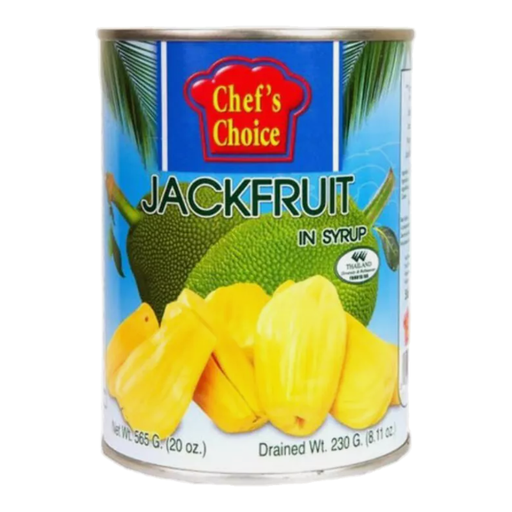
Why This Fits Their Persona: The larger 565g tin suits South-east Asian desserts, smoothies, fruit salads and recipes requiring a distinctive tropical texture.
The listing states jackfruit makes up 41% of the ingredients, allowing shoppers to distinguish the fruit content from the syrup and water.
The product contains jackfruit, water and sugar, with no allergens listed in the supplied information; it is ready to use.
We have compiled a complete, real-time list of products that fully satisfy these strict selection criteria and UK safety regulations.
Tinned fruit is convenient and can contribute fruit to meals, but the nutritional profile depends on the fruit and liquid used. Fruit in juice and fruit in syrup can differ in sugar and energy values. Check the label and consider draining the liquid where appropriate.
Follow the storage instructions on the individual product. In general, unused fruit should be transferred to a covered, non-metallic container and refrigerated. Many products recommend using it within two to four days, although jarred fruit may specify a different period.
Choose fruit in juice when you want to avoid the added sugar commonly found in syrup. Choose fruit in syrup when its sweetness and texture suit a dessert or recipe. Always compare sugars per 100g, ingredients and drained weight rather than relying on the wording on the front of the pack.