
24/7 Customer Support

Free returns

Same-day & Next-day Delivery

Quality Guaranteed

Unlock Your Welcome Offers: FREE Delivery | Up to 80% OFF | Free 30-day JoyPlus trial
Download the APP
Tinned fruit in syrup and juice is a practical cupboard staple for UK households. It can provide ready-to-eat fruit for breakfast, desserts, baking, smoothies, snacks and Asian-inspired recipes without the preparation time associated with fresh produce.
However, the tin or jar label can make products appear more similar than they are. A few details—such as the packing liquid, drained weight and storage instructions—can make a noticeable difference to flavour, portion size and value.
A tin labelled 415g or 565g includes the liquid. The drained weight tells you how much fruit remains after the syrup or juice is removed. Two products with similar total weights may therefore provide different amounts of fruit.
If you are buying fruit for a pavlova, trifle or family dessert, compare drained weights rather than relying only on the large number on the front of the pack.
Fruit packed in juice may contain less added sugar than fruit in syrup, but the nutrition information still needs checking. Fruit naturally contains sugars, and some products use concentrated fruit juice. Compare carbohydrate and sugars per 100g, and check whether the figures refer to the fruit as sold or drained.
Likewise, “light syrup” is not the same as juice. It still generally contains water and added sugar, which may be useful for desserts but less suitable if you prefer a less sweet taste.
Tinned fruit is shelf-stable while unopened, but it should not normally be stored in the opened tin. Transfer leftovers to a clean, non-metallic airtight container, refrigerate and follow the product’s stated consumption period.
The guidance varies: some products advise using leftovers within two days, while others allow three to four days. Always check the packaging, particularly for larger tins intended for several servings.
Choose the liquid according to how you plan to use the fruit:
Read the ingredients rather than relying only on front-of-pack wording. For example, peach products may use clarified pineapple juice, grape juice or glucose-fructose syrup, each of which affects flavour and sweetness.
The fruit’s shape matters as much as its quantity. Slices are convenient for toppings and decoration, while halves are useful for poaching-style desserts, serving with yoghurt or cutting into smaller pieces. Chunks and segments are easier to mix into cakes, smoothies and salads.
For occasional snacks, a smaller 220g tin may reduce leftovers. For baking, catering or family use, a 410g–565g pack can be more practical, provided you have a plan for storing the remainder.
Check the full ingredients list for added sugar, acidity regulators and preservatives. Products may also include allergen statements such as “may contain traces”, even when no major allergen is an intentional ingredient.
Inspect every tin or jar before opening. Avoid products that are swollen, leaking, badly dented, rusted or damaged. Some products may contain occasional stone or pit fragments, so take care when serving peaches, plums or other stone fruits, especially to young children.

Why This Fits Their Persona: The smaller pack is suited to single-person households, occasional snackers and shoppers who want to limit opened leftovers.
Its 220g total pack size makes it easier to compare actual usage rather than paying for excess syrup in a larger tin.
Peach slices are packed in grape juice from concentrate and listed as ready to eat; the product information also states no artificial colours or flavours.
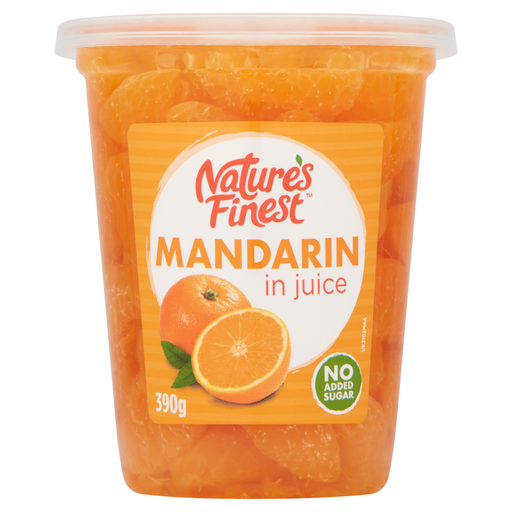
Why This Fits Their Persona: A convenient option for shoppers who prefer portion-ready mandarin segments for porridge, yoghurt, fruit salads or chilled snacks.
The ingredients list identifies pear juice from concentrate rather than a generic syrup, helping shoppers understand the packing liquid.
The product is described as plant-based, contains no listed allergens and includes ascorbic acid and citric acid in its ingredients.

Why This Fits Their Persona: The 435g format suits regular dessert makers, bakers and households using pineapple across several portions.
The listed drained weight is 260g, allowing a clearer comparison with other pineapple tins and recipe quantities.
It contains pineapple and pineapple juice, with slices suitable for desserts, fruit salads and cooking.
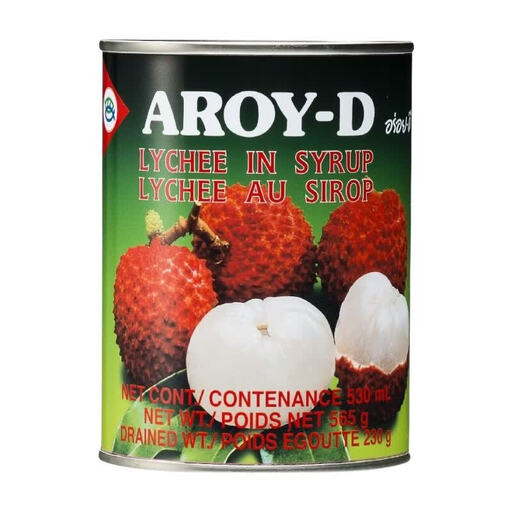
Why This Fits Their Persona: The larger tin is suited to tropical fruit bowls, shaved ice, drinks and Southeast Asian desserts served to several people.
The product information clearly lists lychees, water, sugar and citric acid, so the syrup is not mistaken for juice.
The lychees are ready to eat and can be used with their syrup in desserts, smoothies or chilled drinks.
We have compiled a complete, real-time list of products that fully satisfy these strict selection criteria and UK safety regulations.
“Healthier” depends on the product and portion. Fruit in juice may contain less added sugar than fruit in syrup, but it can still contain naturally occurring sugars and concentrated juice. Compare the ingredients and nutrition panel per 100g rather than relying on the front label.
There is no single period for every product. Many tins advise refrigeration and consumption within two to four days, while some tropical fruit products specify two or three days. Transfer the fruit and liquid to a sealed, non-metallic container and follow the packaging instructions.
Yes. Peaches, pears, pineapple, mango and fruit cocktail can be used in cakes, tarts, trifles and crumbles. Drain them first, then pat slices or chunks dry where the recipe needs a firm texture. Syrup can be added carefully to sauces or desserts, but account for its sweetness when adjusting other ingredients.