Bakers arranging visible fruit
For individual pineapple-topped cakes or an upside-down-style bake, slices provide a regular shape to arrange. Princes lists its pineapple slices in 227g and 432g tins; compare either size with the recipe quantity.


Choose the fruit shape and usable quantity to suit the cake: slices work for an arranged topping, while chunks or pieces are easier to distribute through batter. Use a labelled fruit filling when the recipe calls for a spoonable layer rather than drained fruit. Check the packing liquid and, where stated, the drained weight before choosing a tin; a larger tin may leave fruit to store after a small bake.
For individual pineapple-topped cakes or an upside-down-style bake, slices provide a regular shape to arrange. Princes lists its pineapple slices in 227g and 432g tins; compare either size with the recipe quantity.
If fruit is going through the batter rather than on top, pineapple pieces or chunks match that use. Sainsbury's lists a 227g tin of pineapple pieces, while a larger tin may suit several bakes if you can use or store what remains.
For a larger bake, compare the recipe's required fruit quantity with the drained weight where it is given. If the cake needs a spoonable layer instead of separate pieces, look for a product explicitly labelled as fruit filling.
Start with how the fruit will sit in the finished cake, then check the recipe quantity and packing medium.
| Concern | What to check | Who this matters to |
|---|---|---|
| Visible fruit shape | Choose slices for an arranged topping; check their size against the cake or individual moulds. | For an upside-down-style cake or neat individual toppings, I want fruit I can arrange in a regular pattern. About 40% of consumers put visible fruit shape first. |
| Fruit through batter | Look for chunks or pieces rather than intact rings, and follow the recipe's draining instructions. | When making cupcakes or a fruit-studded sponge, I want pieces to distribute through the mixture rather than arrange on top. Batter distribution comes first for about 30% of consumers. |
| Usable quantity | Compare the recipe quantity with drained weight where stated; consider how you will store any leftovers. | A small cake may use only part of a tin, while a traybake may need more fruit than the net weight suggests. Getting the usable quantity right is the main concern for about 20% of consumers. |
| Recipe fit | Match the named fruit, packing liquid and required texture; treat labelled fruit filling separately from drained fruit. | If my recipe calls for a particular fruit or a spoonable layer, changing the fruit or its packing medium may change the intended bake. About 10% of consumers prioritise that recipe match. |
The liquid is included in a tin's net weight. Sainsbury's lists Del Monte Pineapple Chunks in Juice as 435g net but 260g drained, a difference that matters when a recipe specifies drained fruit.
Compare the recipe amount with the drained weight where the label gives one, rather than assuming the whole tin weight is usable fruit.
Slices can be arranged as a topping, chunks and pieces can go through batter, and fruit filling has a different texture. A filling is not a direct replacement for drained pineapple pieces.
Use the format named in the recipe where possible. If changing it, check whether the recipe allows the different fruit texture and packing liquid.
A larger tin may leave fruit after an individual cake. The Food Standards Agency advises moving food left in an opened can to another container and refrigerating it.
Compare smaller and larger tin sizes with the recipe, and follow the chosen product's use-within instruction for any refrigerated leftovers.
Fruit left beyond its labelled opened-storage period may have to be discarded.
Ingredients and instructions can differ between products or change. GOV.UK guidance says prepacked-food labels must include an ingredients list with the legally specified allergens emphasised.
Before baking, read the tin you have for ingredients, allergen information, packing liquid and storage instructions.
A reference point for pineapple chunks in juice when planning a larger cake or several smaller bakes.
Pineapple slices and chunks offer different shapes for toppings and batter mix-ins.
Its listed tinned-fruit range includes pineapple formats and other fruits for recipes that specify a different flavour.
Its tinned-fruit category provides a way to compare ordinary fruit with products labelled as fruit filling.
Its listed tinned-fruit options include rhubarb chunks and grapefruit segments for recipes that call for those fruits.
These selections cover pineapple slices for arranged toppings, pineapple chunks or pieces for mix-ins, and apple or cherry filling for recipes that call for a spoonable layer. Match the tin to your cake's required format and quantity.
 No image available
Consider the slices for a cake with an arranged pineapple topping. This is a 435g tin of pineapple slices in juice; check the usable fruit quantity against the recipe and plan for leftovers if making only a small bake.
 No image available
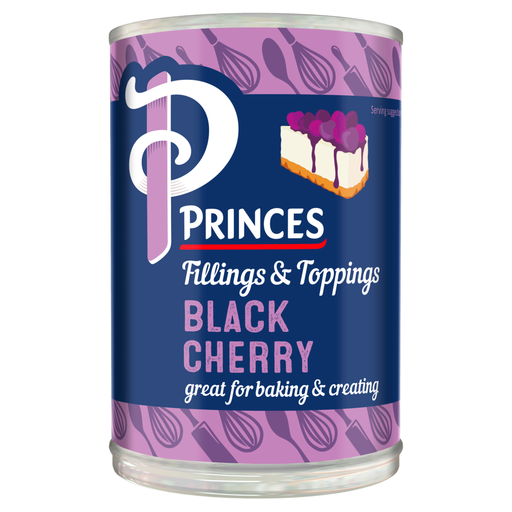
Use this 410g black cherry filling only where the cake recipe calls for a filling-style layer, not as a direct substitute for drained fruit pieces. Check the packaging for its cherry-stone warning before use.
 No image available
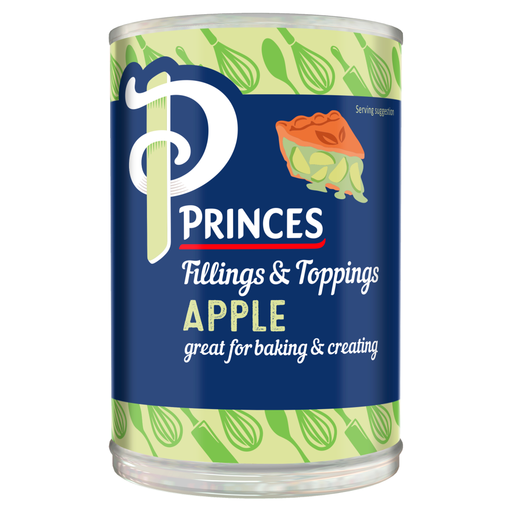
This 395g apple filling is relevant when a cake recipe calls for a spoonable apple layer. Check the recipe before using it in place of drained apple pieces or another fruit format.
 No image available
Choose chunks when the recipe calls for pineapple distributed through batter rather than intact rings on top. The tin is 432g and contains pineapple chunks with juice; check its drained quantity if the recipe measures fruit after draining.
 No image available
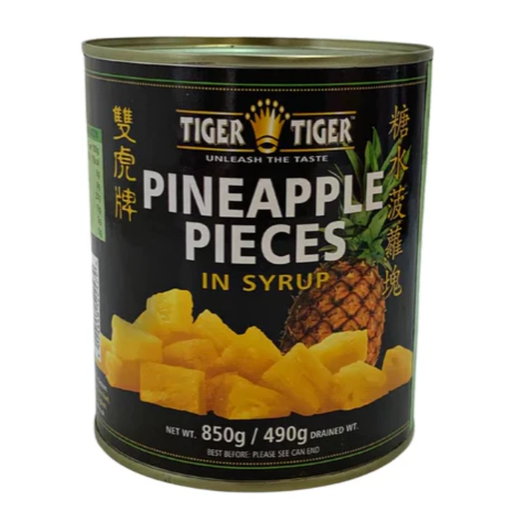
The pieces offer a format for mixing pineapple through a larger quantity of batter. This 830g tin is packed in light syrup, so check that the recipe permits syrup-packed fruit and compare the drained quantity with what it requires.
Use slices when the recipe needs an arranged, visible topping; choose chunks or pieces when it calls for fruit through the batter. Check the required fruit quantity separately, as the formats do not establish how much drained fruit each tin contains.
Not necessarily: net weight includes the packing liquid. For example, Sainsbury's lists a Del Monte pineapple-chunks tin at 435g net and 260g drained. If your recipe specifies drained fruit, compare it with the drained weight on the product label where given.
Move fruit you will not use immediately into another container and refrigerate it, as the Food Standards Agency advises for opened canned food. Follow the particular label's use-within instruction: the Sainsbury's pineapple-pieces listing states three days, while the listed Del Monte chunks state three to four days.
Use fruit in syrup instead only if the recipe permits that change. Check the specified packing medium and any instructions to drain the fruit; do not assume the liquids or a fruit filling can be exchanged for juice-packed fruit without affecting the intended cake.
Read the current labels for both the tinned fruit and the other cake ingredients. GOV.UK guidance says prepacked-food labels must include an ingredients list with the legally specified allergens emphasised; do not rely on the fruit listing to identify allergens elsewhere in the recipe.