What matters when buying?
Check the exact pack’s gluten information before deciding how the fruit will be prepared and served for each resident.
| Concern |
What to check |
Who this matters to |
| Gluten and allergen control |
Check the exact current pack for a gluten-free claim or assess its ingredient and allergen information under the home’s procedure. Keep that information available during service. |
For a resident who needs gluten avoidance, I need a dependable basis for choosing the tin and managing allergens during service; about 36% of consumers put gluten verification first. |
| Prescribed food texture |
Check the resident’s care plan and any specified IDDSI level; prepare and test the finished serving under its intended serving conditions. |
If a resident has a prescribed texture, I need fruit prepared to that instruction rather than judged by how soft it looks; roughly 29% of consumers prioritise texture suitability. |
| Nutrition and dessert format |
Compare the exact product’s packing medium, nutrition declaration and usable portion format with the resident’s plan and preferences. |
When planning a resident’s dessert, I want the fruit form and packing medium to fit their nutrition plan and preferences; about 21% of consumers put nutrition and format first. |
| Opening and service |
Check the product’s after-opening instructions, and retain its identity and allergen information if the contents are decanted. |
For repeated dessert service, I need staff to identify and handle opened fruit consistently; roughly 14% of consumers place opening and service handling first. |
The Food Standards Agency states that, in the UK, a gluten-free claim means no more than 20 mg/kg of gluten in food sold to the final consumer. An ingredient list with no declared gluten-containing cereal is not itself that claim. For a resident with a texture-modified diet, IDDSI guidance calls for assessment of the prepared food under its intended serving conditions.
Tinned fruit options on Joybuy
These tins offer different fruit forms and packing media for care-home dessert planning. Treat each as a product to assess against the exact current pack’s gluten information and the resident’s care plan, rather than as a confirmed gluten-free or texture-modified option.
 No image available
Del Monte Fruit Cocktail in Juice 415g
Consider this mixed-fruit format when the menu calls for fruit cocktail in juice. The tin is 415g; check its current allergen information before including it in a gluten-free dessert.
View on Joybuy
 No image available
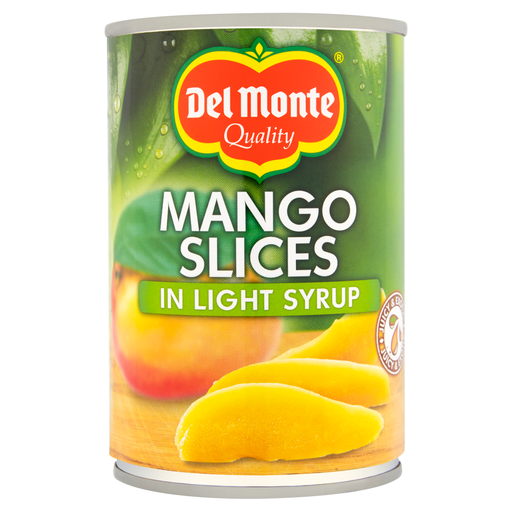
Del Monte Sliced Mango in Light Syrup 425g
For a dessert using mango slices, compare this light-syrup product with the resident’s menu and nutrition plan. The tin is 425g; its packing medium alone says nothing about gluten or prescribed-texture suitability.
View on Joybuy
 No image available
Princes Pineapple Chunks with Juice 432g
Pineapple chunks in juice offer a different fruit form for a dessert or recipe. This is a 432g tin; assess the exact pack’s allergens and do not assume the chunks meet a resident’s texture instruction without assessing the prepared serving.
View on Joybuy
 No image available
Del Monte Pear Halves in Juice 415g
Choose pear halves as a starting format when the dessert recipe calls for them. Del Monte identifies this 415g juice-packed format; check the current pack for gluten information and follow any resident-specific preparation instruction.
View on Joybuy
 No image available
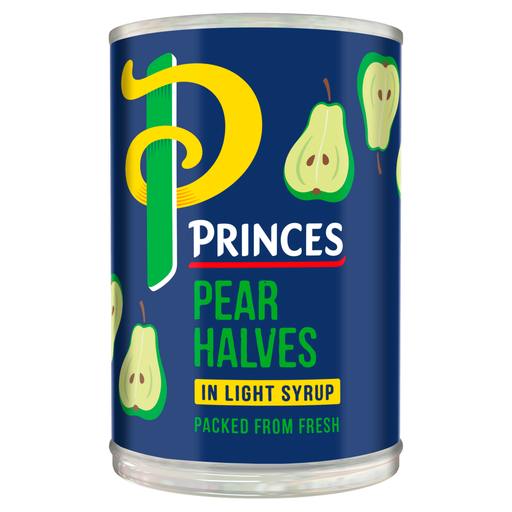
Princes Pear Halves in Syrup 410g
For a recipe using syrup-packed pear halves, compare this 410g tin’s label with the resident’s nutrition plan. Confirm its current allergen information separately, and assess the finished texture where the care plan requires it.
View on Joybuy
Common questions
What does gluten-free mean on a UK food label?
The Food Standards Agency states that food sold to the final consumer and labelled gluten-free must contain no more than 20 mg/kg of gluten. Check the claim on the exact current product rather than assuming it applies to every tin of fruit.
Is tinned fruit formally gluten-free if wheat and barley are absent from its ingredients?
Not on that basis alone: an ingredient-list assessment is not a formal gluten-free claim. Use it only where the care home’s allergen procedure permits that approach, checking the exact current label and maintaining reliable information for staff who serve the dessert.
Is tinned fruit suitable for a resident on a texture-modified diet?
The tin alone cannot establish that. Follow the resident’s assessed care-plan instruction and any specified IDDSI level; prepare and test the finished fruit under its intended serving conditions.
What should staff check after opening a tin?
Follow the storage instructions for that product and keep its identity and allergen information with any decanted fruit. Note when the tin was opened so staff can apply the relevant instructions during later service.


