What matters when buying?
Start with the likely portions per service and the manufacturer’s instructions for opened fruit. Then check whether the exact product fits the planned dish and residents’ individual requirements.
Foodservice-size tins
Consider when: Regular, larger services can use the opened quantity under the kitchen’s storage and handling procedures.
Trade-off: A change in meal numbers or menu plans can leave more opened fruit to manage.
Standard retail cans
Consider when: Smaller services need to open fruit one can at a time or offer several varieties.
Trade-off: Serving a larger group may involve opening and handling more cans.
Small multipacks
Consider when: Separate small units match breakfast or snack service.
Trade-off: A multipack is not necessarily a large catering pack; check the quantity in each unit.
| Concern |
What to check |
Who this matters to |
| Pack size and portions |
Match the stated drained weight, where available, to planned servings; check instructions for storage and use after opening. |
If meal numbers vary, I need a pack I can finish within its instructions without opening more fruit than the service needs. About 33% of consumers would put portion planning first. |
| Individual requirements |
Check the exact ingredients and nutrition panel against each relevant care plan, including allergy information and the packing medium. |
When residents have different assessed requirements, one juice- or syrup-packed choice cannot stand in for checking each person’s plan. For about 27% of consumers, that individual fit would be the primary concern. |
| Fruit cut and menu use |
Check whether slices, chunks, halves or mixed fruit suit the intended dish; follow applicable procedures for texture-modified service. |
If fruit is going into different breakfasts and desserts, I need a cut that works in the planned dishes without assuming it suits every swallowing plan. Menu and texture fit would lead the choice for about 20% of consumers. |
| Repeat ordering |
Confirm the supplier’s delivery arrangements, pack count and current availability for the exact product. |
When the same menu recurs, I need a purchasing route that can supply the chosen format consistently. Roughly 20% of consumers would make continuity their main concern. |
Joybuy product selections
These retail-sized cans and multi-unit fruit packs are options to consider for smaller services, varied menus or opening fruit in stages. Match each pack to the planned portions and the exact product label.
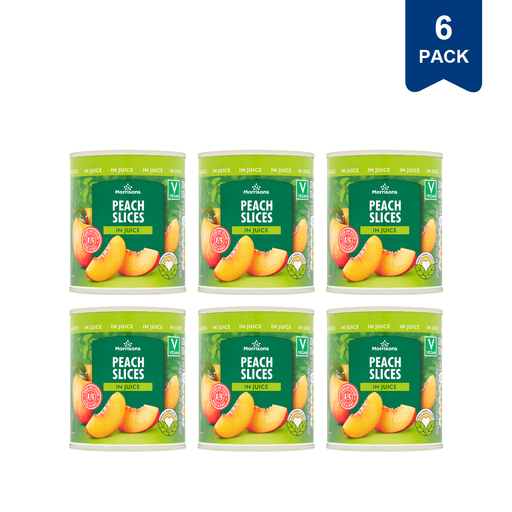 Image unavailable
Morrisons Peach Slices in Juice, 6 × 220 g
Consider this multi-unit format when a kitchen wants to open peach slices in stages across smaller services.
The product name specifies six 220 g units in juice. Check the pack’s drained weight and instructions for any opened fruit when planning portions.
View on Joybuy
 Image unavailable
Dole Peaches in Juice, 4 × 113 g
The four-unit format may suit services needing smaller quantities of peaches at different times.
Each stated unit is 113 g. Check the exact label and drained quantity if the menu specifies a particular fruit portion.
View on Joybuy
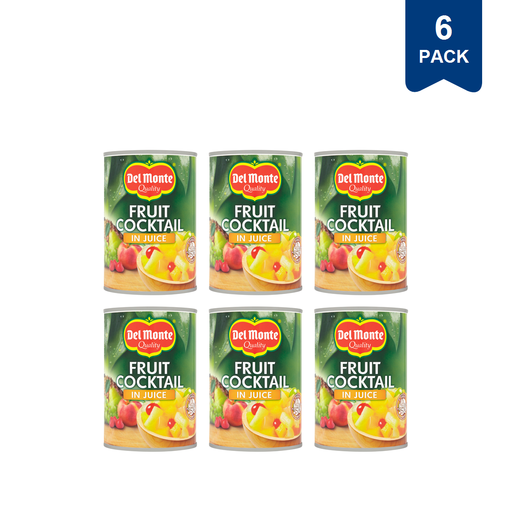 Image unavailable
Del Monte Fruit Cocktail in Juice, 6 × 415 g
Consider this bundle when a recurring menu calls for mixed fruit but the kitchen wants to open standard-sized cans as needed.
The product name specifies six 415 g packs. Check the exact ingredients, drained weight and post-opening instructions before planning service.
View on Joybuy
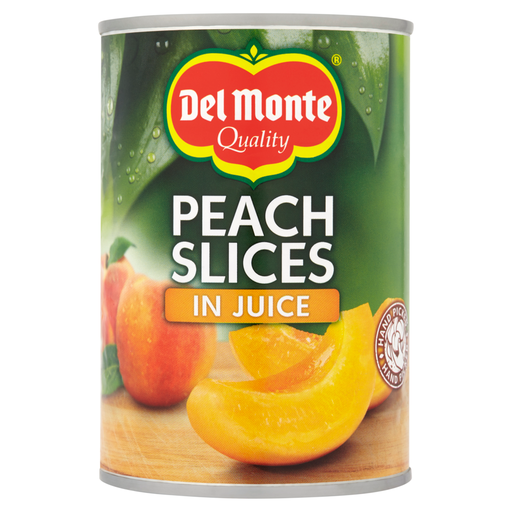 Image unavailable
Del Monte Peach Slices in Juice, 415 g
A single standard-sized can is an option for a smaller service or a menu trial using peach slices.
The stated net weight is 415 g. Check the drained weight for portion planning and follow the pack’s instructions after opening.
View on Joybuy
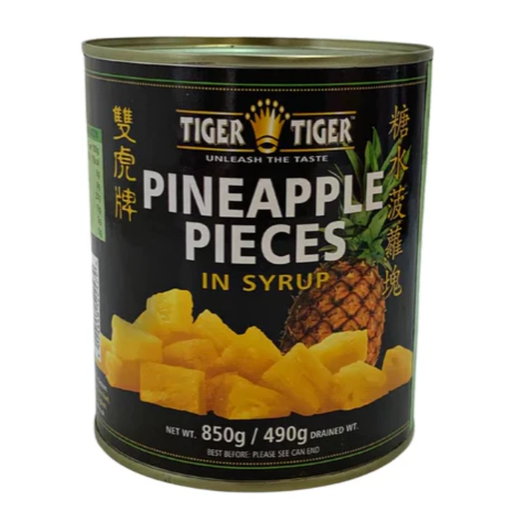 Image unavailable
Tiger Tiger Pineapple Pieces, 830 g
This larger can is worth considering when a planned service calls for pineapple pieces and can use the opened quantity appropriately.
The stated net weight is 830 g. Check the exact packing medium, drained weight and post-opening instructions before ordering for a menu.
View on Joybuy
Questions about care-home service
Is a supermarket “family pack” the same as a catering tin?
No. Tesco lists small fruit multipacks, while Caterite and KFF list individual foodservice products at around 2.6–3 kg. Choose by planned portions, usable fruit quantity and the manufacturer’s instructions for opened food, not by the pack description alone.
Should care homes always choose fruit in juice?
Not on the packing medium alone. Check the exact ingredients and nutrition panel against the resident’s assessed requirements and the planned menu; neither “in juice” nor “in syrup” establishes suitability for everyone.
Can one fruit cut be served to every resident?
Do not assume so. Norfolk and Waveney Integrated Care System advises regular assessment and review of residents’ nutritional needs. Match the fruit and its preparation to each relevant care plan, following the home’s procedures and professional advice where texture modification is required.
What should be checked for allergens in a fruit dish?
Check the exact fruit product and every other ingredient added to the finished dish, then use that information in the home’s allergen procedures. The Food Standards Agency’s guidance addresses allergen information and management in retail and catering.
What should the kitchen do after opening a tin?
Follow the manufacturer’s storage and open-life instructions and the home’s food-safety procedure. The Food Standards Agency directs readers to the manufacturer’s open-life instructions; its residential-care-home food-safety supplement is intended for use with the caterers’ pack in England, Northern Ireland and Wales.


