Hosts planning a small coffee visit
If fruit is just one accompaniment, a smaller tin or separate pots may help you serve what you need without opening more than you can use.


For coffee with a few friends, choose the fruit and pack size you expect to serve rather than assuming a larger tin offers better value. Check the drained weight when comparing usable fruit, then choose slices, halves or a mix to suit how you will serve it. If some will remain, the pack’s storage instructions matter too.
If fruit is just one accompaniment, a smaller tin or separate pots may help you serve what you need without opening more than you can use.
For fruit over cake, yoghurt or ice cream, consider the cut and drained quantity as well as the number of guests. A mixed-fruit tin offers variety; slices or halves give you a more specific fruit to serve.
If juice, water or syrup affects your choice, read the exact product label. The NHS advises choosing canned fruit in natural juice or water with no added sugar or salt.
Start with how much fruit you will serve, then consider its cut, packing liquid and any likely leftovers.
| Concern | What to check | Who this matters to |
|---|---|---|
| Usable fruit quantity | Check the net and drained weights. Compare quantities on the same basis. | When I am serving several people, I want to know how much fruit will reach the bowls, not just the size of the tin. About 33% of consumers put comparable usable quantity first. |
| Fruit cut and variety | Choose slices, halves or a fruit mix to suit the serving plan; check the listed fruits in a cocktail. | If fruit is going over a shared dessert, I want a cut that is easy to serve and a mix my guests will enjoy. For about 27% of consumers, serving format is the primary concern. |
| Packing liquid | Read the exact variant’s ingredients and packing liquid rather than relying on the fruit or brand name. | I want to know whether the fruit comes in juice, water or syrup before serving it to guests. That label-led choice comes first for about 27% of consumers. |
| Leftovers | Match the pack to the visit and read its instructions for opened contents. | For a short visit, I would rather open only what we are likely to finish. Avoiding leftover fruit is the main concern for about 13% of consumers. |
Net weight includes the packing liquid; drained weight describes the fruit after draining. Retailer listings do not always present quantities on the same basis.
Use equivalent weight figures when comparing tins, then consider how much fruit you intend to serve.
UK retailer listings include juice and light-syrup variants of tinned fruit. The fruit name alone does not tell you which one you have chosen.
Check the full variant name and ingredients. If you are following NHS advice, look for fruit in natural juice or water with no added sugar or salt.
A larger tin is less practical if much of it will remain after your guests leave. Storage directions can differ by product.
Plan the serving first and consider smaller tins or pots if you are unlikely to use the rest.
Leftover fruit may need transferring to another container and refrigerating.
The current pack is the one your guests will eat, so its ingredients and storage directions matter when dietary needs are involved.
Check the pack’s ingredients, allergens, packing liquid, date marking and storage instructions before serving.
Del Monte appears in UK listings with several tinned-fruit formats, including fruit cocktail and individual fruits.
Princes lists fruits including peaches, pineapple, pears and fruit cocktail in its canned-fruit range.
Tesco Groceries lists own-label and branded tinned fruit in a range of sizes and fruit types.
Sainsbury’s lists own-label and branded fruit in both juice and syrup formats.
Asda Groceries has a tinned-fruit category that can be checked for the fruit and format needed for a visit.
M&S Food lists options such as rhubarb chunks and grapefruit segments for hosts seeking those particular fruits.
These options cover fruit in juice, a light-syrup dessert option and separate peach pots. Choose by the fruit, serving format and amount you expect to use.
 No image available
Consider this tin if pineapple slices suit a shared serving or dessert. Check the pack’s drained weight when planning how much fruit you will use, and follow its instructions for any leftovers.
 No image available
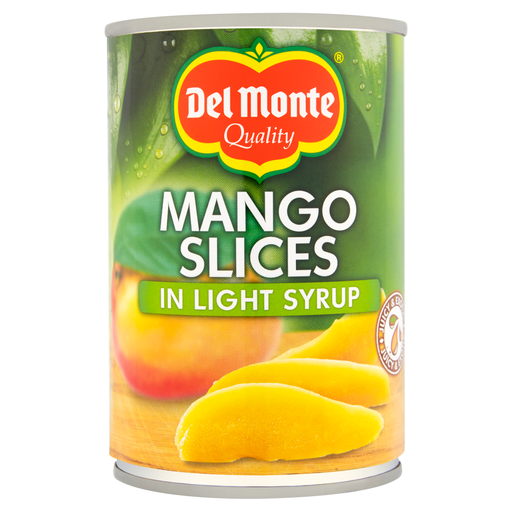
Sliced mango in light syrup is an option for a planned dessert-style serving. If fruit in natural juice or water is your priority, choose a different packing liquid; check the pack for the drained quantity you will serve.
 No image available
A fruit cocktail offers a mixed-fruit serving without opening several tins. Check the current ingredients for the fruits and packing juice, and use the pack’s drained weight to plan portions.
 No image available
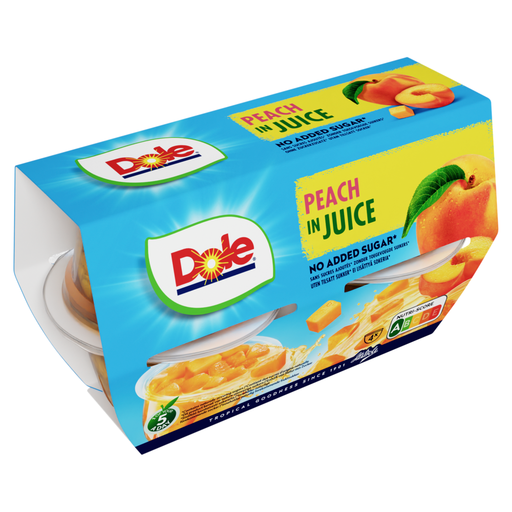
Four separate 113g peach pots may suit a short visit when guests want individual servings. Read the current ingredients if the packing liquid or sweeteners matter to your guests.
 No image available
Pear halves are an option when you want a single fruit for a shared dessert rather than a fruit mix. Check the drained weight for portion planning and the pack directions if any fruit remains.
Choose by the serving you have planned and the exact ingredients. The NHS advises choosing canned fruit in natural juice or water with no added sugar or salt; a syrup variant is a different option for a sweeter dessert-style serving. Check the label rather than assuming every product from a brand uses the same packing liquid.
Choose a pack size you expect to use, or consider separate pots for individual servings. Follow the directions on the product you open: for example, Sainsbury’s listing for Del Monte Fruit Cocktail in Juice 415g says to transfer unused fruit to a non-metallic container, refrigerate it and use it within 3–4 days.
Read the physical pack for ingredients, allergens, the packing liquid, date marking and storage directions. UK food-labelling guidance from the Department for Environment, Food & Rural Affairs and the Food Standards Agency covers mandatory information on pre-packed food, including ingredients, allergens and quantity.
Recycle Now advises emptying and rinsing food tins and placing the lid inside; labels can remain on the tin. Check your local collection guidance for any area-specific instructions.